
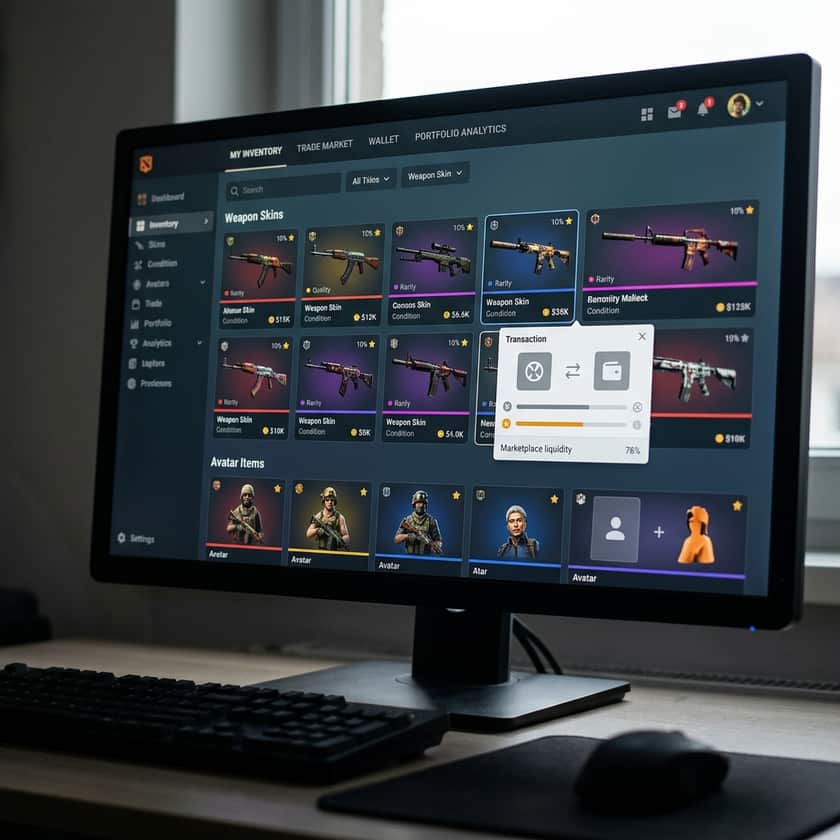
The world of digital assets has evolved significantly over the past decade, transforming from simple cosmetic upgrades into a complex, player-driven economy. Game skin trading involves the exchange of virtual items—typically weapon finishes, character apparel, or equipment decals—between users. For many, these skins serve as personal expression within a gaming environment. For others, they represent a legitimate asset class. Understanding the mechanics of these markets requires a shift in perspective, moving away from viewing items merely as gameplay aesthetics and toward recognizing them as commodities subject to supply, demand, and liquidity factors.
Understanding Marketplaces and Fees
The primary friction point in any trading economy is the transaction fee. When you move an item from your inventory to the public marketplace, the platform facilitates the transfer and ensures security. However, this convenience comes at a cost. Understanding these structures is crucial because the difference between a high-fee platform and a low-fee alternative can determine the success or failure of a trading strategy. Beginners often overlook these percentages, but they are a constant drag on potential profit margins. To maximize your returns, you must differentiate between official platform stores and third-party marketplaces, as their fee structures are rarely identical.
| Marketplace Type | Estimated Fee Rate | Security Focus | Liquidity Level |
|---|---|---|---|
| Official Storefront | 15% | Very High | Very High |
| Trusted Third-Party | 5% | High | Moderate |
| Peer-to-Peer | 10% | Variable | Low |
Getting Started with a Strategic Budget
You do not need a massive bankroll to begin engaging with skin markets. In fact, starting small is often better for learning the mechanics without risking significant capital. A common mistake newcomers make is attempting to jump immediately into high-value items like rare knives or gloves, which often carry high entry costs and higher risk. Instead, focus on liquidity. A budget of $15 to $25 allows you to practice the basics—buying low and selling high—without exposing yourself to the intense price volatility found in premium items. Treating your initial balance as a learning fund rather than an investment portfolio is a wise approach.
| Starting Budget | Primary Goal | Strategy Focus |
|---|---|---|
| $10 | Practice | High-volume, low-cost flips |
| $15 | Entry-Level Portfolio | Diversification in cheap items |
| $25 | Strategic Growth | Acquiring popular, liquid assets |
When you are ready to make your first trade, consistency is key. Look for items that are frequently traded, such as popular rifle skins or utility items that see high turnover. For example, a popular rifle skin priced around $47 can be a great benchmark. It is recognizable, desirable to a large player base, and unlikely to suffer from sudden, erratic price drops. When you focus on popular items, you reduce the time your capital sits idle. Remember: every day your capital is locked in a stagnant item is a day you are not compounding your knowledge.
Essential Best Practices for Safety
The digital asset space attracts scammers, and the best defense is vigilance. Never share your API keys or login credentials, and be wary of anyone who asks you to 'check' an item on a third-party site you do not recognize. If a deal seems too good to be true—such as a rare knife being sold for a fraction of its market value—it is almost certainly a scam. Admin staff will never contact you directly to ask for your items, nor will they ask you to verify your inventory through external links. Keep your security settings robust, enable two-factor authentication, and always double-check the URL of the marketplace before you log in.
- Always verify the URL of the trading site.
- Enable mobile authenticator apps for all account logins.
- Never trade items with users promising 'verified' status via external sites.
- Use reputable, well-known platforms with long track records.
- Keep the majority of your inventory in cold storage or on trusted platforms.
- Ignore direct messages from supposed 'admins' or 'support staff'.
Long-Term Mindset and Asset Management
Transitioning from a casual trader to a more systematic participant requires patience. While it is tempting to chase quick wins, long-term success comes from understanding market cycles and item utility. Some items are purely aesthetic and fluctuate based on seasonal hype, while others serve functional roles in game economies. By diversifying your holdings across different tiers—a mix of low-cost, high-volume items and perhaps a few more premium assets—you protect your portfolio against sudden shifts. Always set clear exit points, and do not fall in love with your own inventory; ultimately, the goal is to enjoy the process and manage your risks effectively.