
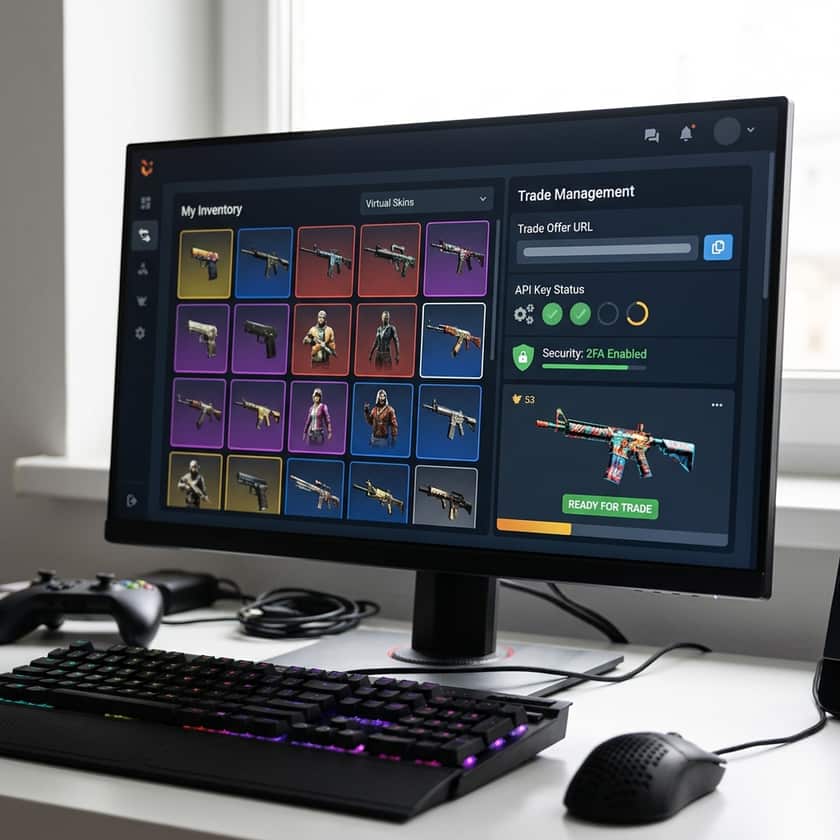
Understanding the World of Virtual Asset Trading
Game skins trading has evolved from a niche hobby into a complex digital economy. Essentially, a 'skin' is a virtual cosmetic item that changes the appearance of a weapon, character, or vehicle within a video game. While these items do not inherently change gameplay mechanics, they hold significant value to players who wish to customize their digital identity. This creates a secondary market where players buy, sell, and trade these assets using real-world currency or platform-specific credits. Before diving into this space, it is crucial to understand that while some skins hold consistent value, the market is highly speculative and subject to rapid shifts based on player population, rarity, and game developer policies.
How Digital Marketplaces Function
Trading typically occurs through two primary channels: official developer marketplaces and third-party platforms. Official marketplaces, such as the Steam Community Market, are integrated directly into the game's ecosystem. They are generally considered the safest route because transactions are handled internally, reducing the risk of fraud or account theft. Third-party sites, however, offer more flexibility, such as direct cash-out options, which many official platforms restrict. These external sites operate by acting as intermediaries or bots that hold items in escrow until a trade is completed. While convenient, these platforms require users to link their gaming accounts, which introduces new security considerations and potential vulnerabilities that every trader should be aware of.
Common Trading Platforms Compared
| Platform Type | Security Level | Cash Out Potential | Fees | Ease of Use |
|---|---|---|---|---|
| Official Market | High | None (Wallet Credit) | Variable (High) | Very Easy |
| Third-Party Site | Moderate/Low | High (Real Money) | Variable (Low/Medium) | Moderate |
| Peer-to-Peer | Low | Variable | Minimal | Complex |
Security First: Protecting Your Inventory
Security is the single most important aspect of navigating the skins market. Because digital items are high-value targets, they attract scammers who use sophisticated social engineering tactics. Never share your trade URL with anyone you do not trust, and be wary of 'gift' offers that sound too good to be true. Always double-check the recipient's credentials within your gaming application before finalizing a trade. Many users fall victim to 'API scams,' where attackers create fake versions of legitimate trading sites to steal login credentials or intercept trade offers. Implementing two-factor authentication (2FA) is non-negotiable; it provides a vital layer of defense that can prevent unauthorized access to your account and items, even if your password is compromised.
Best Practices for Safe Trading
- Enable 2FA: Always use an authenticator app for your gaming and trading accounts.
- Verify URLs: Manually type in the website address rather than clicking links from chats or emails.
- Check Trade History: Review the recipient's account age and trading history before sending valuable items.
- Avoid Direct Messages: Ignore unsolicited offers from individuals messaging you on Discord, social media, or game chats.
- Use Official Bots: When using third-party sites, only trade with bots verified by the platform's official reputation system.
Market Volatility and Economic Factors
The skins economy acts like a miniature stock market, driven by supply and demand. Certain skins become rare when they are no longer obtainable, while others may lose value if a game update releases new, more attractive alternatives. Understanding this volatility is key for anyone treating trading as an investment rather than just collection. Market trends are often unpredictable and can be influenced by professional gaming tournaments, where a specific pro player using a certain 'look' can cause that item's price to skyrocket. Traders should approach the market with caution, treating it as a high-risk activity rather than a guaranteed source of income, as developers can alter the economy at any time through balance patches or market regulation.