
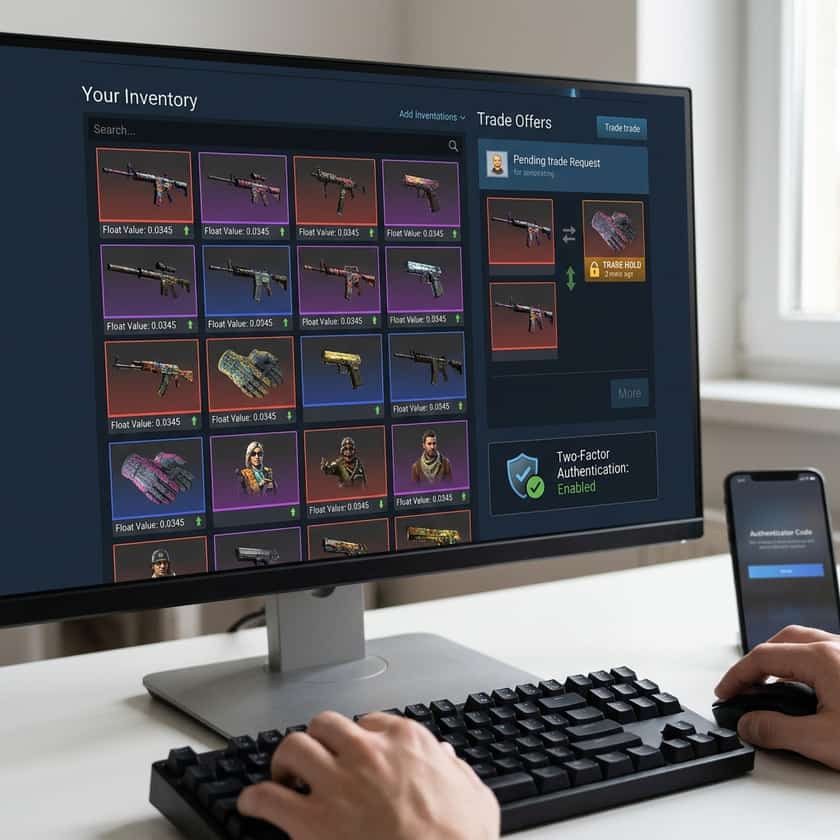
Understanding the Digital Asset Market
In 2026, the digital asset marketplace remains a dynamic ecosystem where collectors and traders interact daily. Starting your journey into skin trading requires more than just capital; it demands an understanding of platform mechanics, market volatility, and platform-specific rules. Whether you are aiming to build a personal collection or engage in active trading for profit, the foundational steps remain the same. The ecosystem has evolved, but the core principles of supply, demand, and user security are as critical today as they were years ago. Success in this field is not about quick wins, but rather about calculated movements and a solid grasp of how items are valued and exchanged.
Setting Up Your Account for Success
Before you can dive into trading, your account must meet specific eligibility criteria mandated by the platform. These restrictions exist primarily to maintain market integrity and prevent fraudulent activity. You must have a verified account that has been active for a significant period. Platforms often require a minimum spend, typically around $5.00, to lift account limitations that prevent users from accessing the community market. Meeting these requirements is the first hurdle. New users often overlook these fundamental prerequisites, leading to confusion when they find themselves unable to trade immediately. Patience during this phase is essential as it protects the overall health of the ecosystem.
- A minimum investment or purchase history (often $5.00) is required to remove initial account restrictions.
- Enable Steam Guard mobile authentication at least 15 days prior to your first trade to ensure full functionality.
- Ensure your mobile device has the official app installed to confirm trades instantly and avoid a mandatory 7-day hold period.
- Verify your email address and keep your account recovery information updated to protect your digital assets.
Prioritizing Security and Asset Protection
Security is the bedrock of any successful trading endeavor. In 2026, scammers are sophisticated, and their methods are constantly evolving. Never disclose your account credentials, and be wary of third-party websites that ask for your login information. Authentic trading platforms will never require your password to execute a transaction. Utilizing Two-Factor Authentication (2FA) is non-negotiable. By setting up the mobile authenticator, you not only protect your account from unauthorized access but also streamline the trading process by avoiding the lengthy trade hold periods. If you ever feel that an offer or a platform interaction seems too good to be true, it likely is. Vigilance is your best asset.
Analyzing Item Value and Float
Value in the skin market is rarely arbitrary. It is often determined by a combination of rarity, visual appearance, and specific technical attributes known as 'float values.' Float values, which typically range from 0.0 to 1.0, dictate the wear condition of an item. A lower float generally indicates a cleaner, more pristine look, which often commands a higher price in the secondary market. Understanding these metrics is vital for anyone looking to trade effectively. Traders who ignore float values often find themselves overpaying for items that do not hold their value or are difficult to resell later. Always research the specific market trends associated with the items you intend to trade.
Smart Trading Strategies for 2026
Developing a strategy is essential for long-term growth. One common mistake beginners make is impulsively buying items without calculating the costs associated with fees and market fluctuations. Smart traders look at volume and liquidity—how easily an item can be bought or sold. Some items are rare but have no buyers, while others are common but move rapidly. Balancing your portfolio between these types of assets is a key skill. Additionally, keep an eye on upcoming collections or game updates, as these events can cause sudden shifts in market interest. Consistent research, rather than luck, will ultimately dictate your success as a trader in the coming year.
- Focus on liquidity: Prioritize items that have consistent trade volume over rare items that may sit idle for months.
- Monitor market trends: Use tracking tools to understand pricing history before finalizing a trade.
- Factor in fees: Always calculate the net return after platform fees to ensure your trade is actually profitable.
- Diversify holdings: Do not put all your capital into a single asset class; spread your inventory to minimize risk.
The Role of Auctions and Crafting
Auctions and trade-up contracts represent advanced methods for acquiring assets. Auctions allow you to find items below their current market value if you are patient and know the current price floor. However, they require discipline; the 'bargain' trap is real, and bidding wars can easily drive prices above market value. Similarly, crafting or trade-up contracts involve risk and are mathematically calculated endeavors. While the chance of a high-value outcome exists, it is vital to remember that these are based on probabilities. Never engage in crafting or auctions with funds you cannot afford to lose, as these methods often carry significant variance compared to traditional buying and selling.