
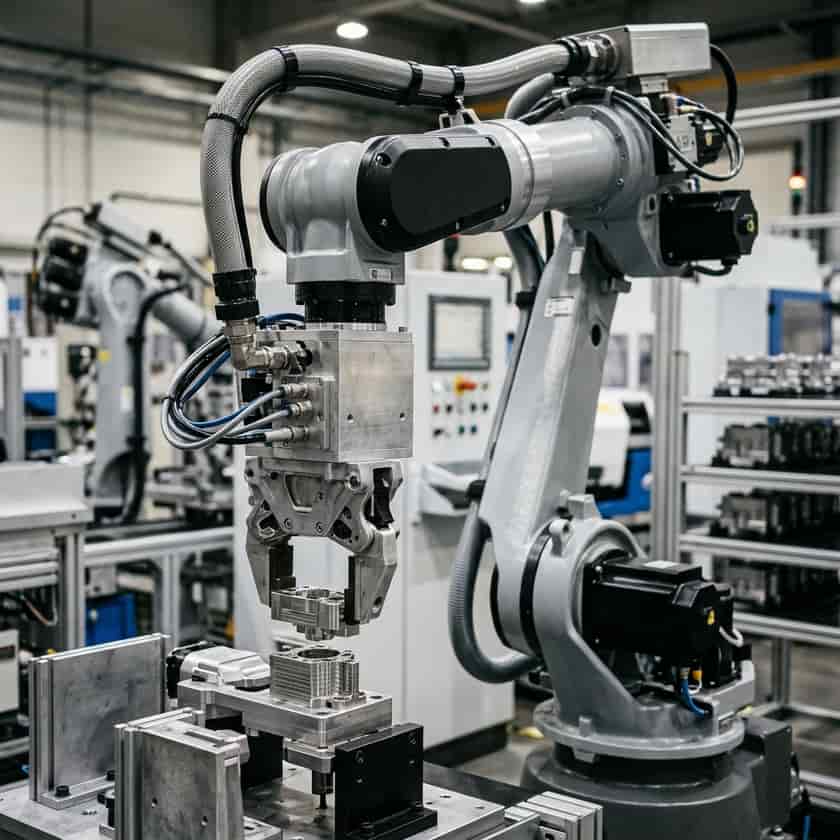
The Evolving Landscape of Industrial Automation in 2026
As we move further into 2026, the industrial automation sector has shifted from simple mechanical repetition to sophisticated, data-driven orchestration. Choosing an automation equipment manufacturer today involves more than just purchasing hardware; it requires a partnership with a firm that understands the lifecycle of modern production. Whether you are upgrading an existing line or building a greenfield facility, the ability of a manufacturer to provide reliable, scalable systems—from 3-axis precision units to complex 6-axis robotic arms—is paramount. Manufacturers that have successfully integrated AI-driven diagnostics alongside traditional mechanical engineering are now the industry standard, helping companies reduce unplanned downtime and optimize throughput across highly regulated environments.
Key Performance Metrics for Equipment Selection
When evaluating a potential vendor, you must look beyond the initial quote. In 2026, high-performing systems are defined by their uptime and precision capabilities. For instance, reputable manufacturers often provide performance data showing that their systems can handle cycles upwards of 6,800 operations per shift without significant deviations in accuracy. This reliability is built into the design, where sensors monitor wear and tear continuously. If a manufacturer is quoting a system that operates at 5,900 cycles per shift, understand the underlying mechanical differences that create that limit. Always request historical performance logs and, if possible, third-party validation reports that verify these operational claims against real-world factory floor conditions.
| System Model | Axis Configuration | Target Throughput | Use Case |
|---|---|---|---|
| AT3-Standard | 3-Axis | High Speed | Pick and Place |
| AT6-Advanced | 6-Axis | Complex Motion | Assembly/Welding |
Navigating Technical Specifications and Industry Standards
Technical compliance is a non-negotiable aspect of modern manufacturing. Organizations operating in sectors like pharmaceutical production or high-precision electronics must ensure their chosen manufacturer adheres to strict certification standards, such as those referencing ASTM or similar regulatory benchmarks. For example, some specialized systems utilize 527 individual sensors within an assembly line to ensure consistent quality control. When dealing with delicate components, these systems may need to manage up to 11,608 unique data points per second to prevent manufacturing errors. Before committing, ask the manufacturer specifically about their documentation process for these standards. A reliable partner will have transparent, audit-ready procedures for every unit they produce.
Budgeting and Operational Lifecycle Costs
The total cost of ownership (TCO) is a critical factor often overlooked during the procurement phase. An automated solution with an entry price of $40,000 might seem affordable, but maintenance costs can quickly accumulate if the system requires frequent calibration or specialized parts. In 2026, industry leaders typically emphasize a 54-week preventative maintenance cycle to minimize sudden breakdowns. If a manufacturer cannot provide a clear projection of maintenance requirements or spare parts availability over the first five years, you face a significant financial risk. When reviewing bids, look for manufacturers who offer comprehensive support contracts, as these often mitigate the long-term impact of equipment failure.
- Verify existing install base in similar industries.
- Request a detailed breakdown of spare parts availability.
- Confirm integration support for existing software ecosystems.
- Review training programs for on-site staff and technicians.
- Validate the manufacturer's ability to scale production capacity.
Integrating New Technology with Legacy Systems
Rarely is a factory floor built entirely from scratch. Most modern facilities deal with the challenge of combining new, high-efficiency equipment with legacy infrastructure. The best automation equipment manufacturer will offer 'bridge technologies' or modular interfaces that allow new, advanced robotic arms to communicate seamlessly with older programmable logic controllers (PLCs). This interoperability prevents the need for total systemic overhaul, allowing companies to upgrade their facilities incrementally. Ensure that your chosen manufacturer conducts a thorough site assessment, documenting how their new equipment will interact with your existing network architecture. If they ignore legacy constraints during the sales process, it is a significant red flag for future integration failures.