
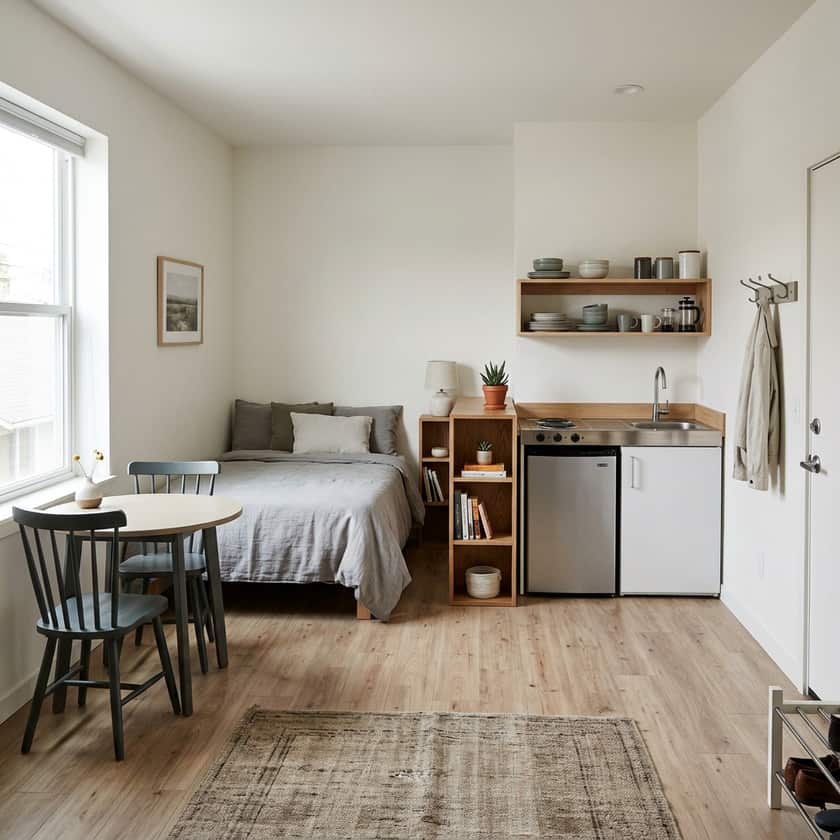
Understanding the 2026 Studio Apartment Market
As we look toward 2026, the housing market continues to evolve with a strong emphasis on maximizing urban space and providing sustainable living arrangements. For many single professionals, students, and couples looking to minimize expenses, studio apartments represent the most practical entry point into desirable urban and suburban neighborhoods across the country. While overall inflation and shifting economic conditions have undeniably impacted average rental rates across the United States, targeted search strategies can still reveal highly affordable rental options. Navigating this dynamic landscape requires a mixture of digital tools, local community networking, and a clear understanding of how modern developments are shaping the overall rental inventory. Innovative concepts like micro-units and co-living arrangements have expanded the traditional definition of a studio, providing modern renters with more varied price points and versatile layout choices than ever before.
Key Strategies for Finding Budget-Friendly Studios
To secure a low-rent studio in 2026, prospective tenants must look beyond standard national search portals and delve into localized resources. Many of the best deals are discovered through direct landlord outreach, physical neighborhood exploration, and specialized regional rental networks. Timing your search is also incredibly crucial to securing a lower rate; rental prices often fluctuate seasonally, with the late fall and winter months typically offering lower rates and more flexible lease terms due to a significant decrease in moving demand. Additionally, expanding your geographic radius just a few miles outside of central business districts can yield substantial monthly rent reductions while still keeping convenient public transit options accessible. Prioritizing up-and-coming neighborhoods rather than fully established, premium districts is another proven method to lock in a lower baseline rate.
Essential Preparation Steps for Renters
- Review and improve your credit score to meet landlord requirements.
- Gather necessary documentation, including tax returns, recent pay stubs, and employment verification.
- Secure reliable professional and personal references ahead of time.
- Establish a dedicated emergency savings fund to cover deposit fees and first month's rent.
- Set up real-time alerts on multiple rental platforms to apply instantly to new listings.
- Prepare a concise cover letter explaining your rental history and financial reliability.
Navigating Affordable Housing and Assistance Programs
Government-sponsored initiatives and local municipal programs remain vital resources for securing low-rent housing. Programs like the Low-Income Housing Tax Credit (LIHTC) encourage developers to set aside a specific percentage of newly constructed studio units for lower-income households at strictly restricted, affordable rent levels. Additionally, the Housing Choice Voucher Program (commonly known as Section 8) can assist eligible individuals by paying a portion of their monthly rent directly to participating private landlords. Understanding the income thresholds, compliance rules, and application cycles for these programs in your specific state or county is essential, as waiting lists can be quite extensive. Many forward-thinking municipalities also maintain localized affordable housing lotteries that require proactive, early registration and regular check-ins.
Comparing Affordable Studio Rental Options
| Rental Type | Target Audience | Average Availability | Key Advantage |
|---|---|---|---|
| Traditional Studio | General Renters | Moderate | Independent living space |
| Micro-Apartment | Urban Professionals | High in Cities | Modern amenities, lower footprint |
| LIHTC Restricted | Low-to-Moderate Income | Limited / Waitlist | Capped rental rates |
| Co-Living Space | Students & Nomads | High | Shared utility costs, fully furnished |
Leveraging Co-Living and Shared Spaces
Another rising trend for renters searching for affordability in 2026 is the co-living model. Co-living spaces typically offer private studio bedrooms or micro-suites while sharing larger kitchen, dining, and recreational areas with other residents. This arrangement significantly lowers the base rent while offering access to high-end building amenities that might otherwise be unaffordable on a single budget. Furthermore, co-living arrangements often include utilities, high-speed Wi-Fi, and even weekly cleaning of common areas in the base rent, providing a predictable monthly expense model. For individuals who prioritize community connection and modern amenities over complete isolation, this hybrid studio model represents an incredibly cost-effective and socially engaging housing solution.
Accounting for Hidden Costs and Utilities
When calculating the true affordability of a studio apartment, the monthly base rent is only one part of the broader financial equation. Renters must account for ancillary expenses that can quickly strain a tight budget if left unmanaged. For example, some older studio buildings may lack energy-efficient heating and cooling systems, leading to surprisingly high monthly utility bills during peak summer or winter months. Other common hidden fees include parking permits, mandatory trash valet services, pet rent, and shared laundry facility fees. Some modern micro-apartments bundle utilities, high-speed internet, and basic amenities into a single flat monthly fee, which can ultimately make a slightly higher base rent more economical than a cheaper apartment with unbundled, highly variable utility costs.
Actionable Steps to Secure Your Lease
In highly competitive rental markets, the sheer speed of your application can make the difference between securing an affordable studio and missing out entirely. Landlords and property management companies often approve qualified applicants on a first-come, first-served basis. To ensure you are at the front of the line, keep digital copies of all required documents saved on your smartphone and cloud storage, ready to submit instantly during a viewing. Additionally, consider offering a longer lease term, such as 15 or 18 months instead of the standard 12, if the landlord is willing to guarantee a lower monthly rate in exchange for the long-term stability. Showing professionalism, punctuality, and clear communication can also set you apart from other prospective renters.
Ultimately, finding a high-quality, low-rent studio apartment in 2026 requires a balanced combination of patience, organization, and a willingness to compromise on non-essential luxury features. By prioritizing geographic flexibility, utilizing public and private housing assistance resources, and preparing your application materials well in advance, you can successfully navigate the competitive market. Securing an affordable, well-located studio not only provides a comfortable personal space but also establishes a solid financial foundation that supports your broader personal and professional goals for the future.