
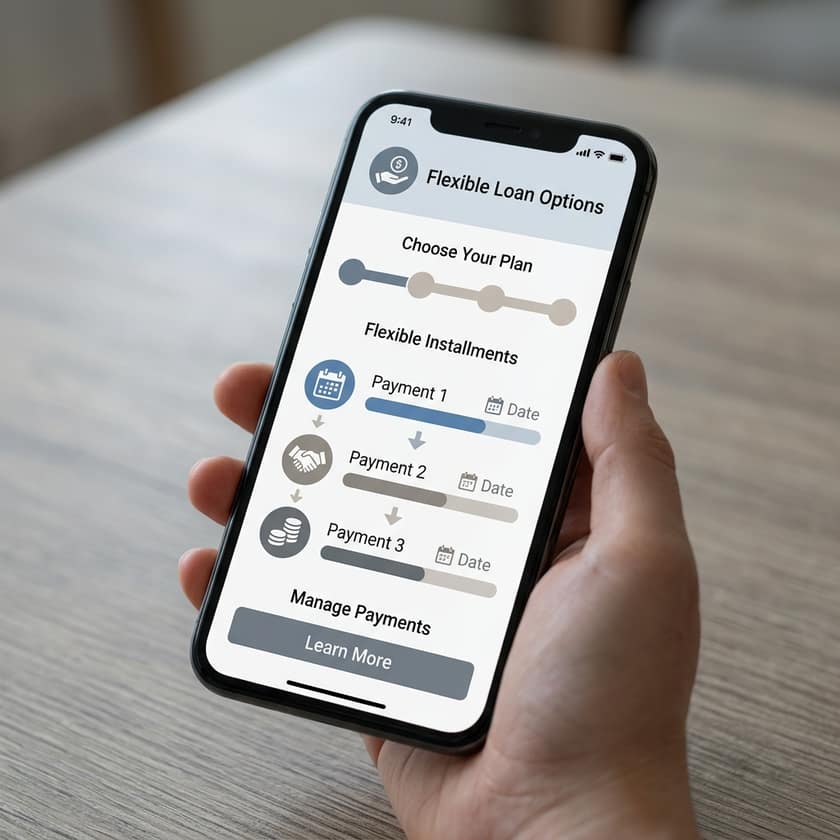
The Evolution of Consumer Lending and Point-of-Sale Loans
In the rapidly evolving landscape of personal finance, traditional lines of credit are increasingly sharing space with point-of-sale financing alternatives. These small-scale loan structures, frequently referred to as Buy Now, Pay Later (BNPL) services, offer consumers alternative methods to manage cash flow without relying solely on high-interest credit cards or formal bank loans. Companies like Klarna have emerged as prominent players in this ecosystem, facilitating immediate acquisitions of goods and services while spreading the repayment obligations over manageable timelines. As these financial instruments become standard utility options at checkout screens across thousands of retail websites, understanding the mechanics, legal agreements, and potential implications of micro-loans becomes essential for the modern consumer.
Deconstructing Klarna's Core Financing Structures
Klarna operates through several distinct programs tailored to different financial needs and transaction sizes. The most recognizable format is the 'Pay in 4' structure, designed for smaller day-to-day purchases by dividing the total transaction amount into four equal installments. For larger purchases that demand extended repayment periods, Klarna provides structured personal loans that closely mirror traditional retail financing plans. These longer-term monthly installments require formal loan agreements and are subject to varying interest rates based on the borrower's creditworthiness. Navigating these options successfully requires a clear understanding of when interest applies, how payment schedules are enforced, and the specific terms agreed upon at the virtual checkout register.
- Pay in 4: Divides the total order value into four equal installments, with the first payment due at checkout and the remaining three due every two weeks.
- Pay in 30 Days: Allows consumers to receive and evaluate their products before making any payment, delaying the total bill by up to one month.
- Monthly Financing: Offers structured personal loans spanning from 6 to 36 months for larger consumer purchases, which may carry interest charges.
- Virtual Card Integration: Enables users to generate temporary digital cards to apply flexible payment terms at retailers outside Klarna's partner network.
- Autopay Systems: Automatically schedules withdrawals from a linked debit card or bank account to minimize the risk of missed payments and associated fees.
Comparing Klarna's Financial Products
| Product Option | Typical Term | Standard Interest Rate | Credit Inquiry Type | Payment Frequency |
|---|---|---|---|---|
| Pay in 4 | 6 Weeks | 0% APR | Soft Credit Pull | Every 2 Weeks |
| Pay in 30 Days | 30 Days | 0% APR | Soft Credit Pull | Single Payment |
| Monthly Financing | 6 to 36 Months | 0% to 33.99% APR | Hard or Soft Pull | Monthly |
Interest Rates, Late Fees, and Financial Implications
While Klarna's short-term products like 'Pay in 4' are marketed as interest-free alternatives, users must remain highly vigilant regarding fee structures. If an automatic payment fails due to insufficient funds or expired card information, late fees may be assessed, subject to state caps and regulatory limits. Conversely, the monthly financing options function as traditional consumer loans, carrying annual percentage rates (APRs) that can reach up to 33.99% depending on the applicant's credit profile and the specific retailer. Over time, carrying high-interest balances on multiple POS loans can result in a significant debt burden, emphasizing the need to analyze the underlying terms before finalizing any digital loan agreement.
The long-term cost of borrowing through retail financing platforms depends directly on the chosen product. While interest-free options do not accumulate charges when paid on time, they do not build credit history in the traditional sense, as short-term BNPL payments are generally not reported to major credit bureaus. On the other hand, structured monthly financing products may be reported, meaning that positive repayment behavior can assist in establishing credit, whereas delinquencies or defaults will actively damage an individual's credit score. This duality makes it vital to treat micro-loans with the same financial discipline as one would treat a major automotive loan or mortgage.
Credit Assessment and Application Criteria
To qualify for a small loan or installment plan through Klarna, applicants must undergo a quick credit assessment during checkout. For the standard interest-free plans, this involves a soft credit inquiry that does not impact the applicant's credit score or appear on consumer reports viewed by other lenders. However, for monthly financing loans that carry longer durations, Klarna may perform a standard credit check that could affect credit scores. The approval process is dynamic, factoring in previous transaction histories with the platform, overall outstanding debt, the value of the current shopping cart, and external credit data to determine the maximum borrowing limit for each unique checkout transaction.
Guidelines for Responsible Digital Borrowing
Utilizing modern financial technologies effectively requires a proactive approach to personal budgeting. Consumers should avoid treating POS lending platforms as a means to purchase items that exceed their realistic monthly budget capacities. A useful practice is to track outstanding installments across all platforms globally, ensuring that aggregate bi-weekly payments do not conflict with essential housing, utility, or savings goals. Setting up calendar reminders, maintaining a buffer in linked bank accounts, and promptly updating expired payment methods will help prevent unintended late fees and ensure that point-of-sale financing remains a helpful tool rather than a source of financial stress.