How Does AI Turn Your Question Into Text?
A language model breaks your input into tokens and uses learned patterns to generate a response piece by piece. Fluent wording does not guarantee that its claims are correct.
Clear, step-by-step guides for everything you want to learn, solve, and do.
A language model breaks your input into tokens and uses learned patterns to generate a response piece by piece. Fluent wording does not guarantee that its claims are correct.
Scan the pattern to reveal a web address.
Understand how remote servers store and sync your files.
Keep extra copies of the files you cannot replace.
Sort and label your photos while keeping the originals.
Check the sender and destination before you open a link.
Choose one small action, connect it to a reliable daily cue, and make the materials easy to reach. Track attempts and adjust obstacles instead of demanding a perfect streak.

Close your notes, try answering a focused question from memory, and then check your answer. Use the gaps you discover to decide what to review next.

Split a topic across several study sessions instead of one long review. Try recalling earlier material at each session and adjust the next review according to what you remember.
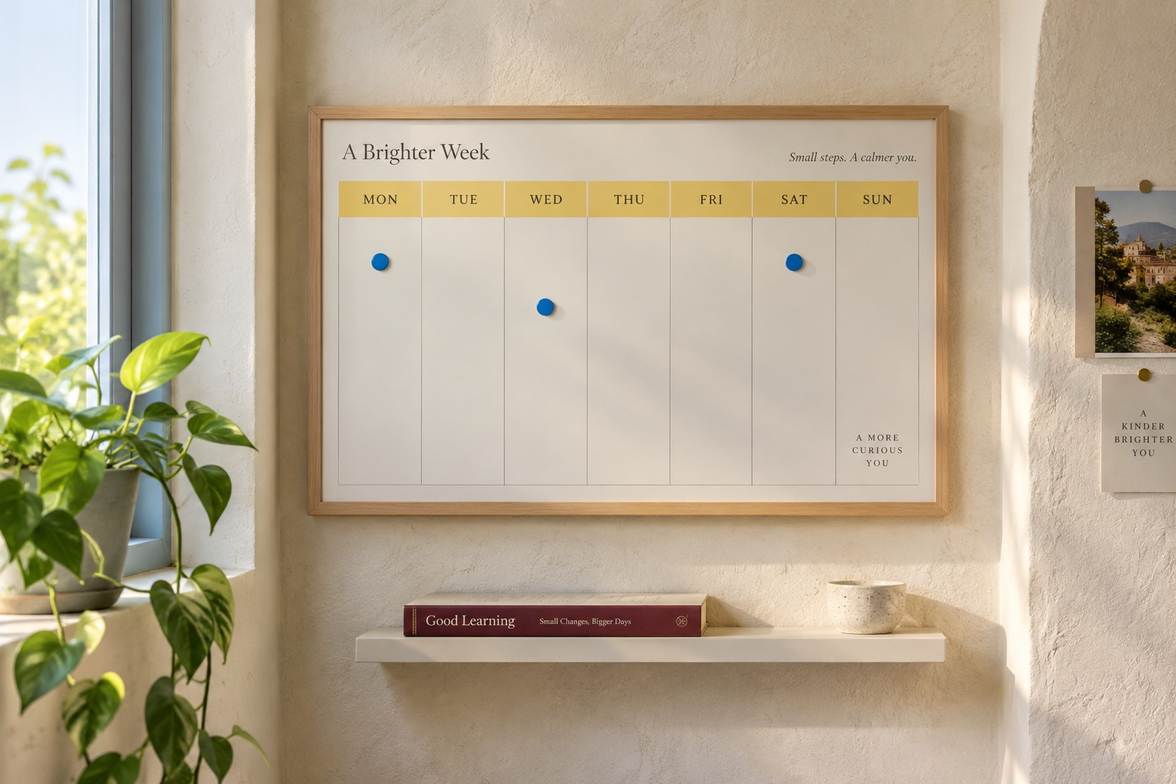
Choose one specific task, prepare only the materials it needs, and set a manageable work period. End by recording what you completed and the next unfinished step.

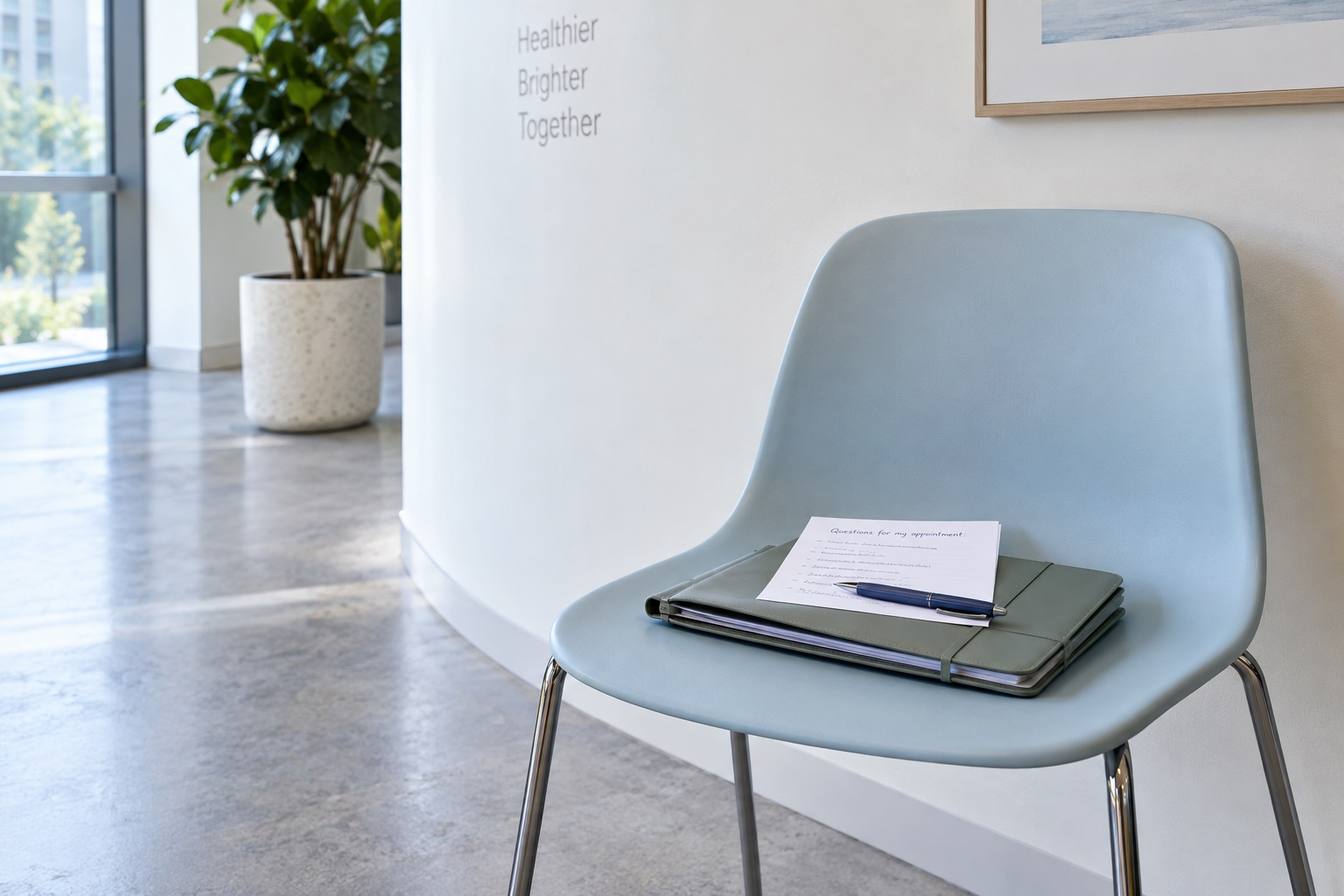
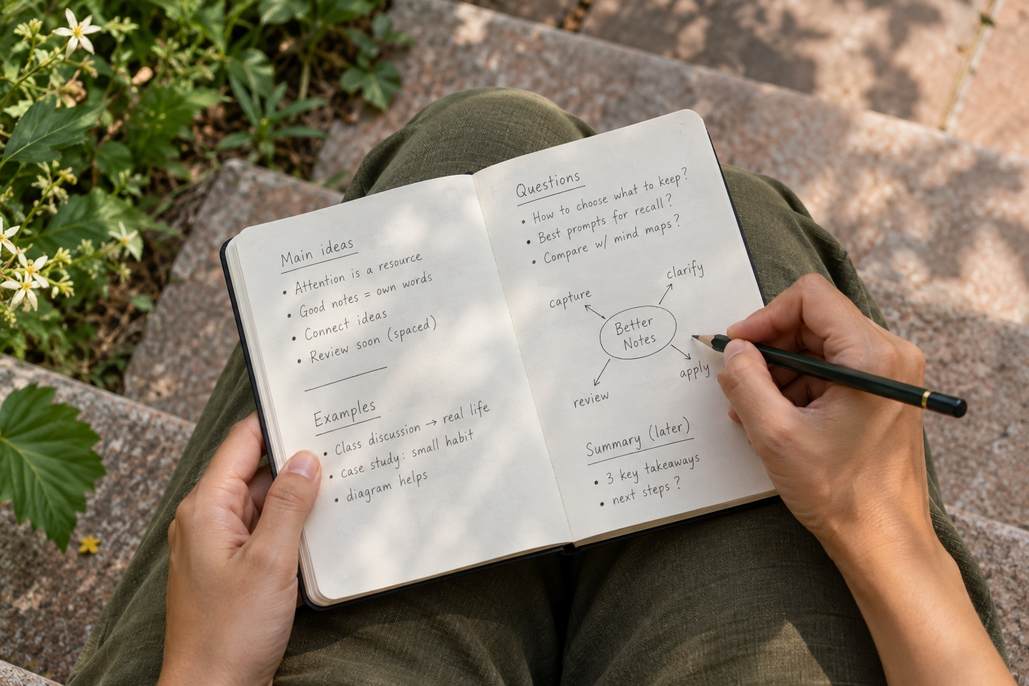
Capture main ideas, supporting examples, and unanswered questions in your own words. Afterward, add a short summary and prompts that help you retrieve the information.
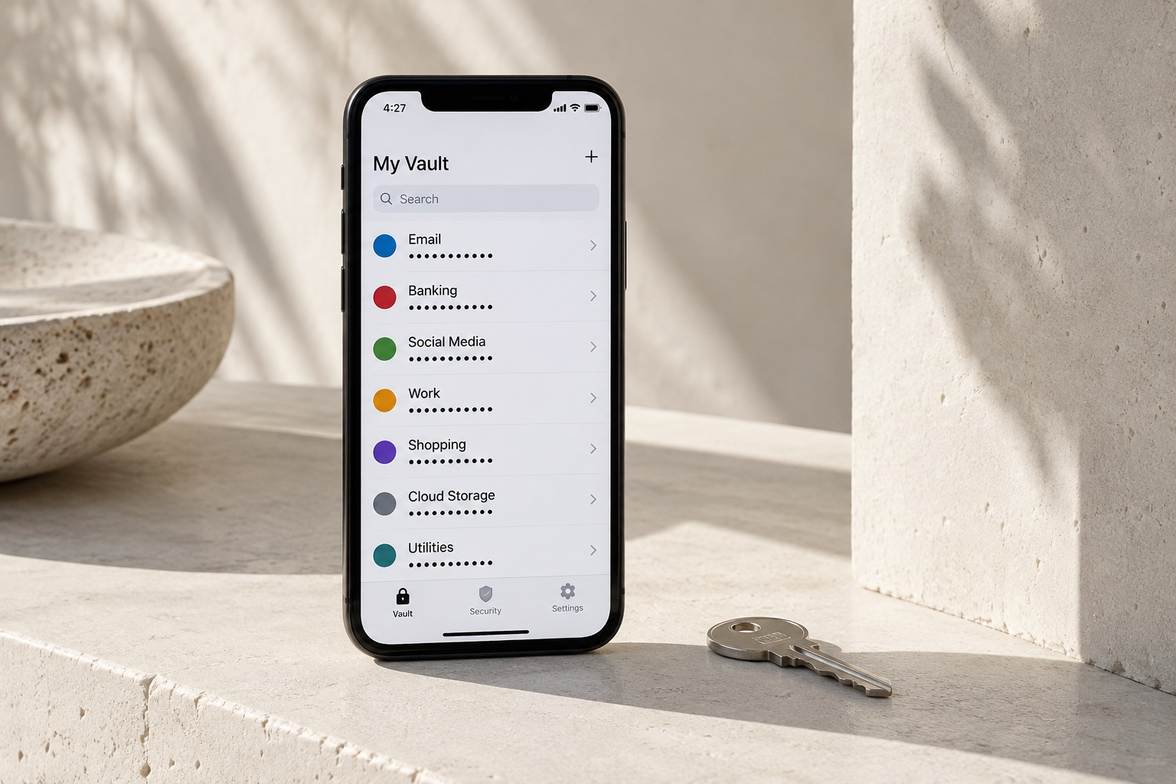
A password manager generates and stores different strong passwords for your accounts, reducing password reuse. Protect the manager itself with a strong master password and supported multifactor authentication.
Multifactor authentication requires more than a password to sign in. An additional factor, such as a security key or authenticator, can block access when a password is stolen.
Measure the room, furniture, doorways, and access route, then sketch the layout with clear walking space. Include door swings and fixed obstacles before deciding where furniture will go.
Name what you did, acknowledge its impact, and take responsibility without adding an excuse. Offer a realistic repair and give the other person space to decide how to respond.
Identify tomorrow’s fixed commitments, prepare essential items, and decide your first few actions tonight. Leave time for transitions instead of planning a morning that only works without interruptions.
Place fixed commitments first, choose a few realistic priorities, and leave room for interruptions. Review unfinished work before adding more tasks to the next day.
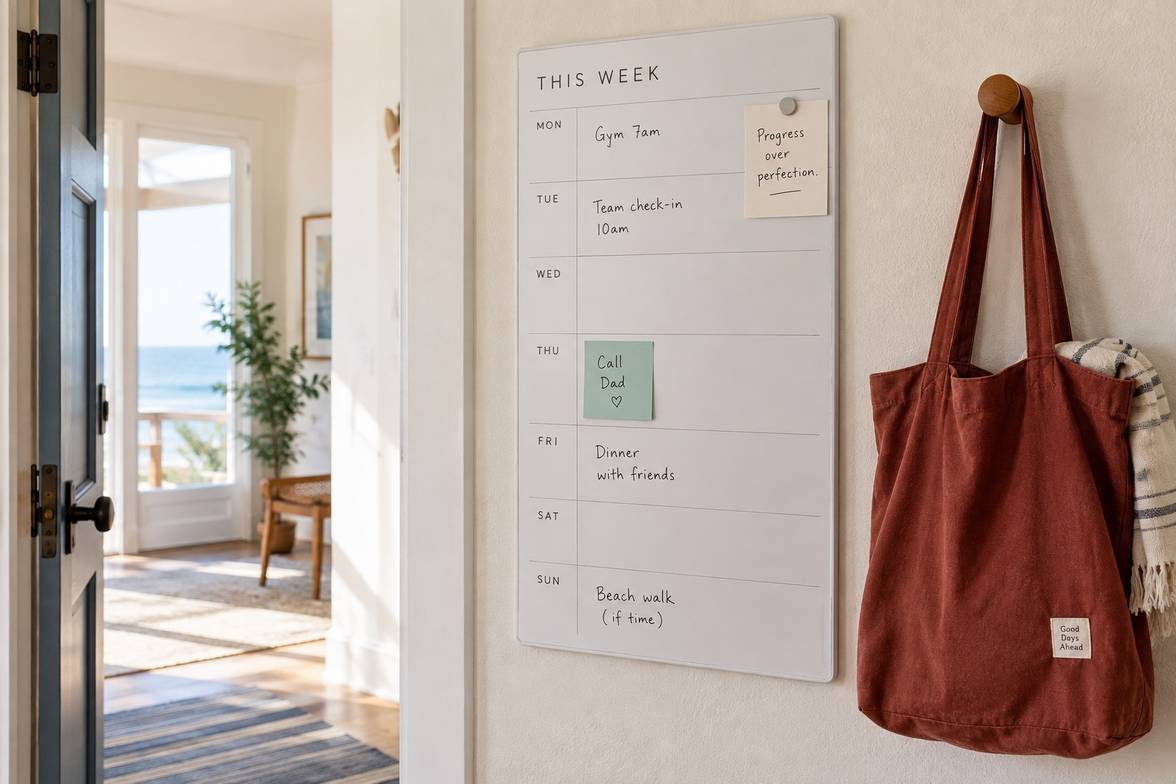
Make room for your priorities and leave space for the unexpected.
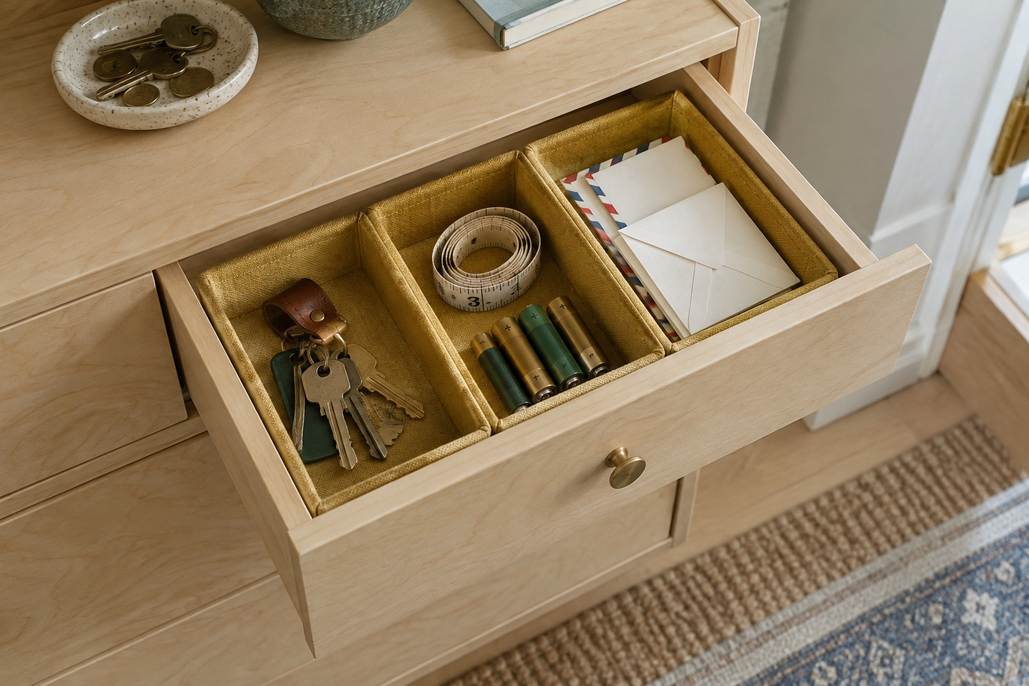
Bring order to one small space, one useful item at a time.

Pack what you need and keep the essentials easy to reach.
Capture the main ideas in a way you can return to later.

Prepare a few essentials tonight for an easier morning.
Start with one small action and a reliable daily cue.

Organize your memories while keeping the original files safe.
Choose one task and create space for focused study.

Check the potting mix and your plant’s requirements rather than watering by a fixed calendar. When watering is needed, wet the mix appropriately and let excess water drain away.

Confirm the plant needs repotting, choose a slightly larger container with drainage, and use a suitable potting mix. Keep the plant at its previous planting depth and monitor moisture afterward.
“The steps feel small enough to try. That makes getting started a lot easier.”

“I like being able to find the main idea first, then come back for the details.”

“Clear explanations, a little at a time. Exactly how I like to learn something new.”