
The Evolution of Digital Apparel Design
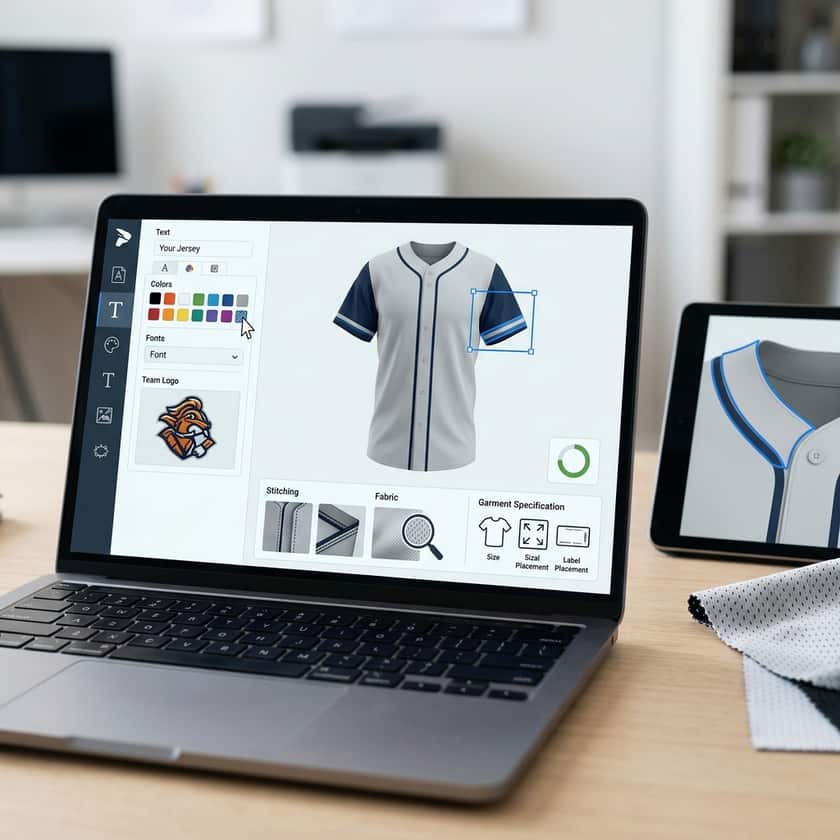
In the modern era of custom manufacturing, builder software has revolutionized how teams, clubs, and small businesses approach apparel production. What once required hours of back-and-forth communication with graphic designers and manufacturers has now shifted toward self-service digital platforms. These tools allow users to visualize their ideas in real-time, reducing errors and speeding up the prototyping phase. Whether you are creating uniforms for a local sports league or branded merchandise for a corporate event, understanding the capabilities of these platforms is essential for getting the results you need without unnecessary frustration.
Key Features to Look for in Builder Solutions
When selecting the best builder software for your specific needs, functionality should be your primary concern. A high-quality tool does more than just let you drop a logo onto a blank canvas; it acts as a bridge between your creative vision and the final physical product. Look for features that support high-resolution file management, as print quality is paramount. The software should intuitively guide you through the process, providing warnings if an uploaded image is too small or if a color choice will not render correctly in the intended printing format, such as CMYK.
- Real-time 3D previewing that allows for rotation and close-up inspection of design details.
- Automatic file optimization to ensure your logos and artwork meet DPI requirements for crisp printing.
- Integrated color matching tools to prevent discrepancies between screen views and fabric reality.
- Built-in sizing charts and templates tailored to specific garment cuts and styles.
- Collaborative sharing options that allow team members to approve designs before final submission.
Balancing Creativity with Budget Constraints
Budgeting is often the most stressful aspect of ordering custom jerseys. Many builder software platforms now include dynamic pricing engines that adjust estimates based on your design choices. For instance, adding complex patterns, multiple custom patches, or intricate embroidery will naturally increase the cost per unit. By interacting with the builder tool directly, you can experiment with different elements—swapping premium fabrics for standard ones or simplifying a design—to see exactly how those choices impact your final bill. This level of transparency prevents unexpected costs during the checkout phase.
It is wise to plan ahead for additional expenses that might not be immediately obvious. Beyond the base price of the garment, consider factors like shipping timelines, rush production fees, and potential bulk order discounts. Always check if the platform offers transparent cost breakdowns. If you are ordering for a large group, ensure the software supports easy size breakdown entries, as managing individual player sizes manually is a common source of error. Using a builder that integrates these data points keeps your project organized and avoids costly re-orders due to simple miscommunication.
Understanding Production Timelines
Even the best software cannot speed up the laws of manufacturing, but it can certainly help you set realistic expectations. Most production processes involve several phases: design approval, fabric sourcing, printing, cutting, sewing, and quality control. Reliable builder software will often provide a progress indicator or a tracking portal. Be wary of platforms that promise unrealistically fast turnaround times. Quality apparel generally requires a production window of several weeks, particularly during peak seasons for sports leagues. Always build in a buffer of at least two weeks before your first game or event to account for any shipping delays.
| Phase | Estimated Time | Key Action |
|---|---|---|
| Design Creation | 1-3 Days | Finalize logos and color schemes |
| Approval | 24 Hours | Digital proof sign-off |
| Production | 2-4 Weeks | Manufacturing and quality checks |
| Shipping | 3-7 Days | Delivery to your location |
Ensuring Technical Success
To achieve the best results, you must bridge the gap between digital design and physical fabric. High-resolution art is non-negotiable. If you upload a blurry low-resolution image, the builder software might accept it, but the final jersey will suffer. Use vector files (.AI, .EPS, .PDF) whenever possible. Additionally, understand the difference between screen printing, sublimation, and embroidery. Sublimation, for example, allows for vibrant, full-color designs that are embedded into the fabric, making it ideal for complex jersey patterns, whereas embroidery offers a tactile, premium feel for logos.