
The Evolution of Construction Management
The construction industry has long relied on manual processes, paper logs, and fragmented communication channels. However, the rise of digital transformation has shifted how firms operate, making construction software an essential component of any successful project. Today, these platforms do much more than simply organize documents; they serve as a centralized hub for accounting, project scheduling, and real-time team collaboration. By consolidating data into one location, construction companies can significantly reduce human error and ensure that every stakeholder, from the field crew to the back office, is looking at the same information. This digital shift is not just about convenience; it is about maintaining a competitive edge in a fast-paced market where tight deadlines and narrow profit margins are the norm.
Core Functions of Construction Management Platforms
Understanding the core functions is the first step in identifying the best construction software for your specific business needs. At the foundational level, these solutions must offer robust accounting tools. Proper financial tracking is critical, as it allows project managers to keep tight control over expenses and prevent cost overruns. Modern software integrates budgeting modules that compare real-time spending against initial estimates, providing an accurate picture of project health. When accounting is seamlessly tied to field operations, it eliminates the lag time typically associated with manual data entry. Additionally, these platforms provide visibility into resource allocation, ensuring that labor, equipment, and materials are deployed efficiently. This granular level of oversight allows leadership to pivot quickly when site conditions change or supply chain delays occur.
- Real-time cost tracking that compares actual spend against projected budget figures.
- Document management systems for version control of blueprints, RFIs, and submittals.
- Field-to-office communication tools that allow mobile updates from the job site.
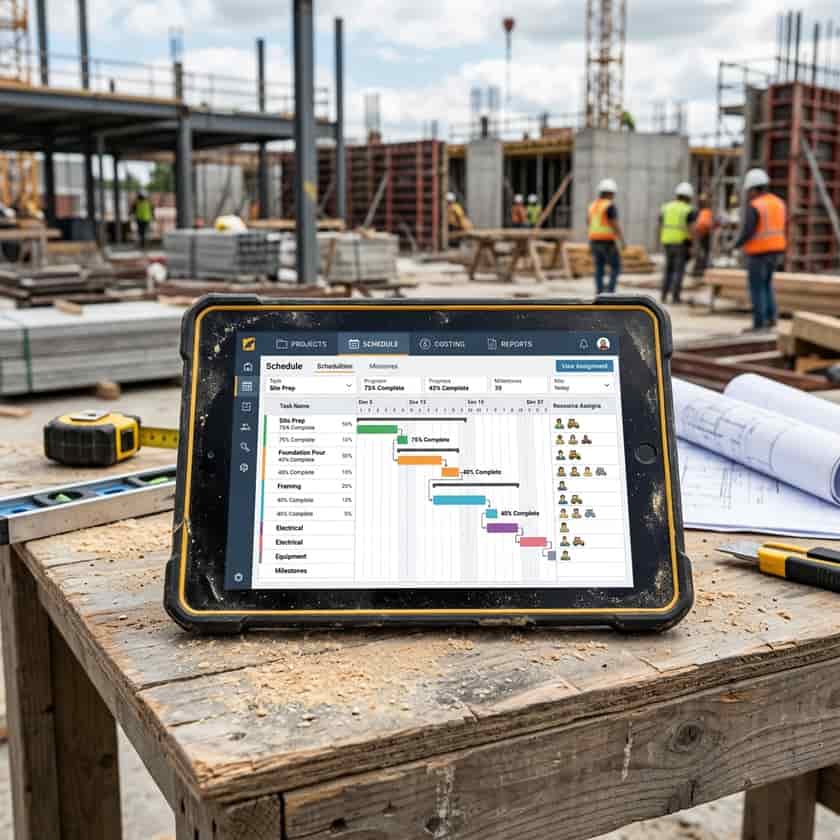
- Scheduling modules that automatically notify teams of critical path dependencies and changes.
- Resource allocation dashboards to manage crew productivity and equipment maintenance schedules.
Strategic Advantages of Digital Integration
Adopting a construction software solution provides several strategic advantages beyond simple organization. One significant benefit is the reduction of silos within an organization. In traditional setups, the accounting department often operates independently from the field supervisors, leading to delays in financial reporting and potential misalignment on project status. With integrated software, data flows seamlessly between departments. This integration creates a single source of truth, where project managers can generate accurate forecasts and business owners can make data-driven decisions. Additionally, these tools capture historical data, which is invaluable for future bidding. By analyzing previous project performance—such as actual material costs versus estimates—firms can submit more competitive and profitable bids on future tenders. This continuous improvement cycle is a hallmark of highly successful construction firms.
Selecting the Right Tool for Your Business
Selecting the best construction software requires a thorough assessment of your current workflow challenges. Not every firm needs an enterprise-level platform with every available module. Some smaller businesses may benefit more from specialized, lightweight tools that focus specifically on project scheduling or accounting. Conversely, large general contractors require comprehensive suites that manage the entire project lifecycle, from pre-construction estimation to closeout and warranty documentation. Before committing to a vendor, involve your key stakeholders in the selection process. Ask field supervisors about their biggest pain points—is it paperwork delays, communication gaps, or material tracking? Answering these questions helps prioritize features. Remember, user adoption is just as important as the feature set; if the software is too complex for your team to use effectively, the investment will yield a low return.
| Challenge | Manual Process Limitation | Software Solution |
|---|---|---|
| Budget Variance | Delayed financial updates | Real-time cost tracking |
| RFI Delays | Paper forms and emails | Automated workflow routing |
| Scope Creep | Lack of change tracking | Digital change order management |
| Communication | Fragmented phone calls | Centralized project messaging |
Implementation and Long-term Success
Implementing new construction software is a significant change management project, not just a technical installation. Success depends heavily on proper onboarding and training. Many firms make the mistake of launching the platform without a comprehensive rollout plan, which often leads to resistance from veteran field staff. To maximize adoption, identify 'power users' within your company who can act as internal champions. These individuals can help peers troubleshoot issues and demonstrate the daily benefits of the software, such as faster reporting or reduced physical paperwork. Furthermore, allow for a gradual integration period. Start by digitizing one specific workflow, such as time tracking or daily logs, before expanding into complex accounting or project forecasting modules. Consistency is key, and clear internal policies will ensure that digital tools become ingrained in your company culture.