
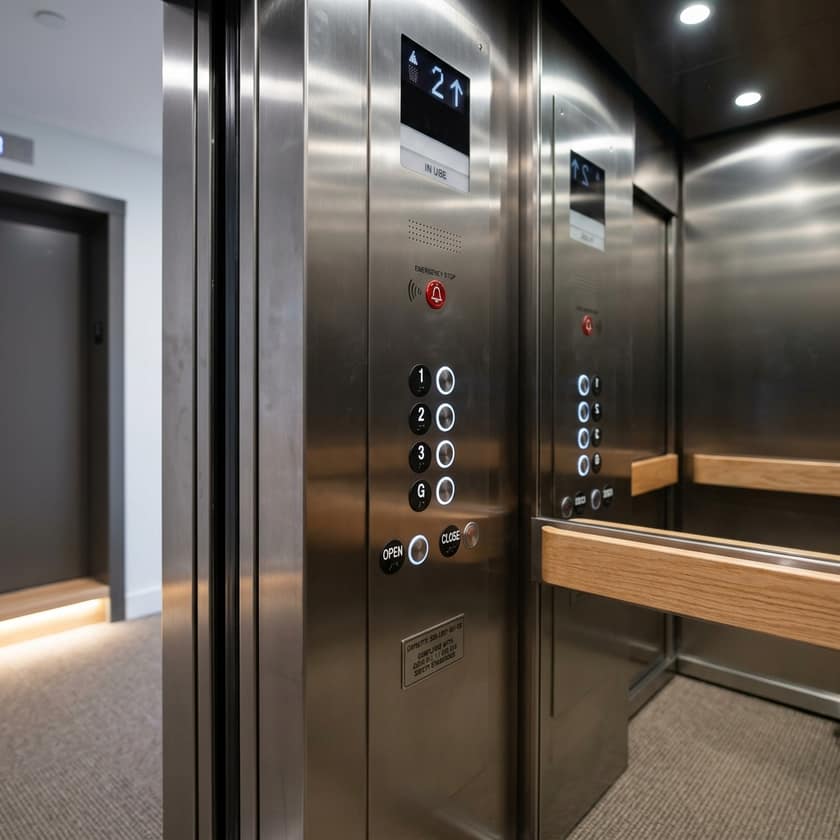
Integrating a home elevator into a residence is no longer just a luxury reserved for multi-story mansions. For many homeowners, it has become a pragmatic solution for aging in place, accessibility, and property value enhancement. Whether you are retrofitting an existing property or planning a new custom build, understanding the mechanics, safety standards, and logistical requirements is the first step toward a successful installation. Residential elevators are specialized pieces of equipment that require professional oversight, careful planning, and adherence to specific national codes. This guide breaks down the core concepts you need to navigate the market.
Understanding Elevator Mechanics and Drive Systems
The drive system is the engine of your elevator, and it dictates everything from ride quality to space requirements. Most residential elevators fall into a few primary categories. Hydraulic systems, for instance, are known for their smooth, quiet operation and reliability, though they typically require a dedicated machine room to house the hydraulic pump unit. In contrast, traction elevators function similarly to commercial models, using ropes or belts and a counterweight system. These are highly efficient and often preferred for taller residential applications because they don't require the same heavy equipment footprints as hydraulic models.
For properties with limited vertical space, winding drum or vacuum elevators offer distinct advantages. A winding drum elevator uses a cable system wrapped around a rotating drum, which can be compact but sometimes offers a slightly different ride feel. Vacuum elevators, often called pneumatic lifts, utilize air pressure to move the cab. These are frequently chosen for retrofits because they are self-supporting and do not always require a traditional elevator shaft, making them aesthetically unique and easier to install in homes where cutting into the foundation is not feasible.
Safety Codes and Regulatory Compliance
Safety is the paramount concern for any residential lift. In the United States, the governing standard is the ASME A17.1 safety code for elevators and escalators. This code outlines rigorous requirements for the design, construction, operation, and maintenance of residential lifts. It ensures that components like the cab, hoistway doors, and braking mechanisms are engineered to withstand stress and prevent failures. Before you even solicit quotes from contractors, verify that the manufacturer and installer are fully compliant with these ASME standards. Cutting corners on safety compliance is never an option with vertical transport systems.
- Automatic emergency lowering systems that engage during power outages.
- Door interlocks that prevent the elevator from moving if the door is not securely latched.
- Manual emergency override controls accessible from outside the cab.
- Slack cable or rope monitoring sensors that detect potential mechanical issues instantly.
- Overload sensors that prevent the elevator from operating if the weight capacity is exceeded.
Planning for Installation: Space and Infrastructure
The logistics of installation are often more complex than the elevator unit itself. You need to account for the hoistway (the shaft where the elevator travels), the machine room (if required), and the pit (the depression in the floor at the base of the elevator). If you are building a new home, an architect can easily design these elements into the blueprints. Retrofitting into an existing home requires a structural assessment. You may need to relocate plumbing, electrical wiring, or load-bearing support beams to create the vertical clearance necessary for the cab and its mechanical components.
Consider the architectural footprint as well. While some elevators can fit into closets or existing stairwells, many require an addition to the home's floor plan. Consult with a general contractor or a structural engineer early in the process. They can determine if your current floor joists can handle the weight of the elevator and its support structure. Additionally, ensure that your electrical panel can accommodate the power requirements, as some hydraulic or traction systems demand dedicated circuits that may exceed standard household capacities.
Maintenance and Long-Term Care
An elevator is a mechanical system that requires ongoing attention to remain safe and functional. Neglected elevators can develop wear in cables, rollers, and fluid levels, potentially leading to entrapment or mechanical failure. Most manufacturers recommend a professional service inspection at least once or twice annually. During these visits, a certified technician will lubricate moving parts, test all emergency safety features, inspect cable integrity, and check door alignment. Keeping a detailed service log is essential, not just for the life of the machine, but also for home insurance purposes.
| System Type | Best For | Shaft Required | Machine Room | Typical Noise Level |
|---|---|---|---|---|
| Hydraulic | New Construction | Yes | Yes | Low |
| Traction | Higher Floors | Yes | Minimal | Low |
| Winding Drum | Standard Homes | Yes | Minimal | Moderate |
| Vacuum | Retrofitting | No | No | Low to Moderate |
Making the Right Investment Decision
Selecting the best home elevator is a balance between your personal mobility needs, budget, and home design. Before finalizing a purchase, get multiple quotes and ask each provider about their post-installation support. A cheaper unit might look appealing, but if the manufacturer provides poor service or if parts are difficult to source in your region, you may regret the purchase later. Prioritize companies that provide clear documentation on maintenance requirements and that have established service technician networks in your local area.
Finally, remember that adding an elevator is a permanent modification to your home. While it can improve accessibility for those with limited mobility, it may also impact future resale value depending on the buyer demographic. Think about placement carefully; an elevator placed in an area that doesn't disrupt the flow of the home will be much more appealing to future homeowners. When approached with thorough research and professional installation, a residential elevator serves as a lasting investment in your comfort and your home's accessibility.