
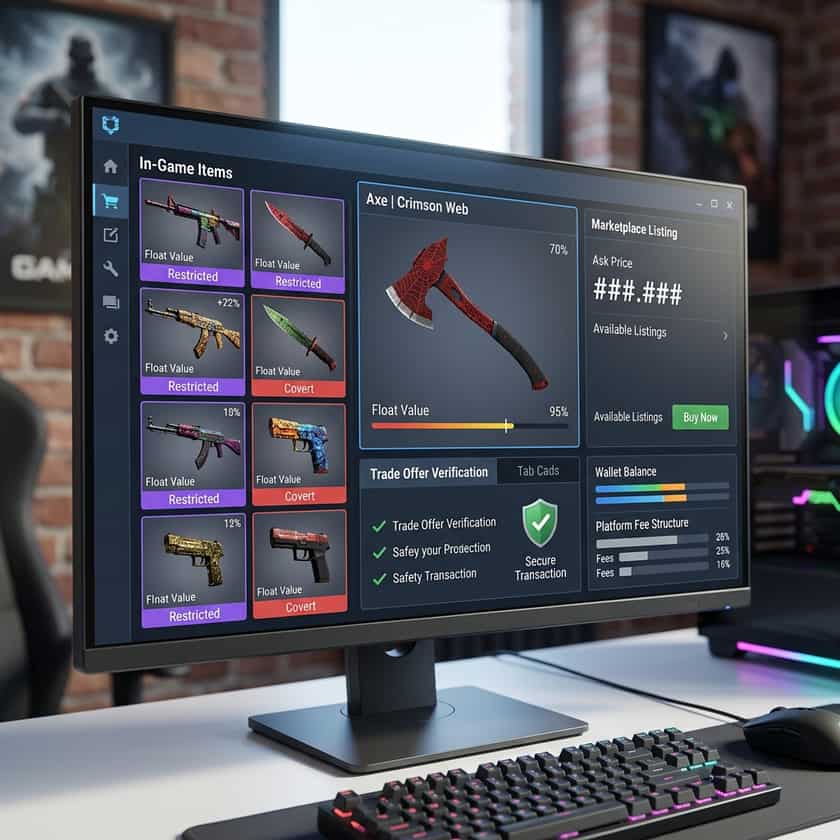
The world of video games has evolved significantly over the last decade, transitioning from simple offline experiences to complex, interconnected digital economies. One of the most fascinating aspects of this evolution is the emergence of game skins trading. Skins are cosmetic items that change the visual appearance of a character, weapon, or vehicle within a video game without altering its functional performance. While they do not grant an unfair advantage in gameplay, these virtual items have developed substantial value among gaming communities, creating a vibrant secondary market where players buy, sell, and trade their digital inventories for real-world or platform-based currency.
The Mechanics of Trading Ecosystems
Understanding how trading works begins with recognizing where these transactions occur. Most trading takes place on centralized platform marketplaces, such as Steam's Community Market, or via reputable third-party platforms that act as intermediaries. These platforms provide a layer of security, escrow services, and historical pricing data, which helps players make informed decisions. When a trade is initiated, the platform facilitates the transfer of the skin from one inventory to another, ensuring that both parties receive their agreed-upon items or funds. This structure is designed to mitigate the risk of fraud and provide a standardized environment for a global user base.
However, trading is not merely about clicking a button; it involves understanding the supply and demand dynamics of each specific game. Certain skins are limited-edition drops tied to seasonal events, professional esports tournaments, or specific operational missions. Because these items can no longer be acquired through normal gameplay once the event concludes, their scarcity inherently drives market interest. Traders often track these supply trends, analyzing when items become rare and predicting how market demand might shift in the coming months. It is an exercise in data analysis as much as it is a hobby, requiring patience and keen observational skills to track price fluctuations over time.
Developing Core Trading Skills
- Research current market trends using platform analytics to understand historical pricing.
- Verify the credibility of any third-party trading site before connecting your account.
- Enable two-factor authentication (2FA) on all game and marketplace accounts to prevent unauthorized access.
- Inspect items for quality, wear, and specific patterns that might significantly affect their value.
- Start small to learn the rhythm of the market without exposing your entire collection to risk.
- Understand platform fees and transaction costs, as these can eat into your profit margins.
Evaluating Digital Asset Value
Determining the true value of a skin involves looking beyond the surface-level price tag. Several variables contribute to an item's market worth, and experienced traders know how to weigh these factors before completing a transaction. For instance, 'float value'—a numerical representation of an item's wear level—often determines whether a skin looks pristine or heavily scratched. A lower float value, indicating less wear, typically commands a higher price in the market. Additionally, some items possess unique pattern indices or rare stickers applied by previous owners, which can create subjective value that appeals to collectors looking for distinct visual characteristics.
| Factor | Description | Impact on Value |
|---|---|---|
| Float Value | Numerical measure of wear. | High impact: lower float is better. |
| Rarity | Supply level of the item. | High impact: scarcer is pricier. |
| Pattern Index | Specific aesthetic variation. | Variable: depends on collector interest. |
| Stickers | Player-applied visual mods. | Moderate: depends on sticker prestige. |
| Market Liquidity | Ease of selling quickly. | High: affects how fast you can trade. |
Prioritizing Safety and Security
Safety must be the priority in any digital economy. Because game items can hold real-world monetary value, they are attractive targets for bad actors looking to exploit inexperienced users. Phishing schemes are prevalent; attackers may impersonate legitimate trading sites or request your API keys to hijack your trades. Never log in to a third-party site using your primary platform credentials unless you have verified its security protocols and reviews independently. Always check the trade offer details within your official game client before confirming any deal. If an offer looks too good to be true, it almost certainly is, and exercising caution will save you from potential losses.
Ultimately, the world of game skins trading can be a rewarding hobby if approached with diligence and education. By learning the technical aspects of valuation, maintaining rigorous security habits, and understanding the economic drivers behind the market, you can navigate these ecosystems confidently. Whether you are looking to build a collection of rare items or simply customize your gaming experience, the key to success lies in consistent learning and a measured approach to every transaction. Stay updated with game developer news, as changes to trade bans or marketplace restrictions can occur, and enjoy the creative possibilities these digital items offer.