
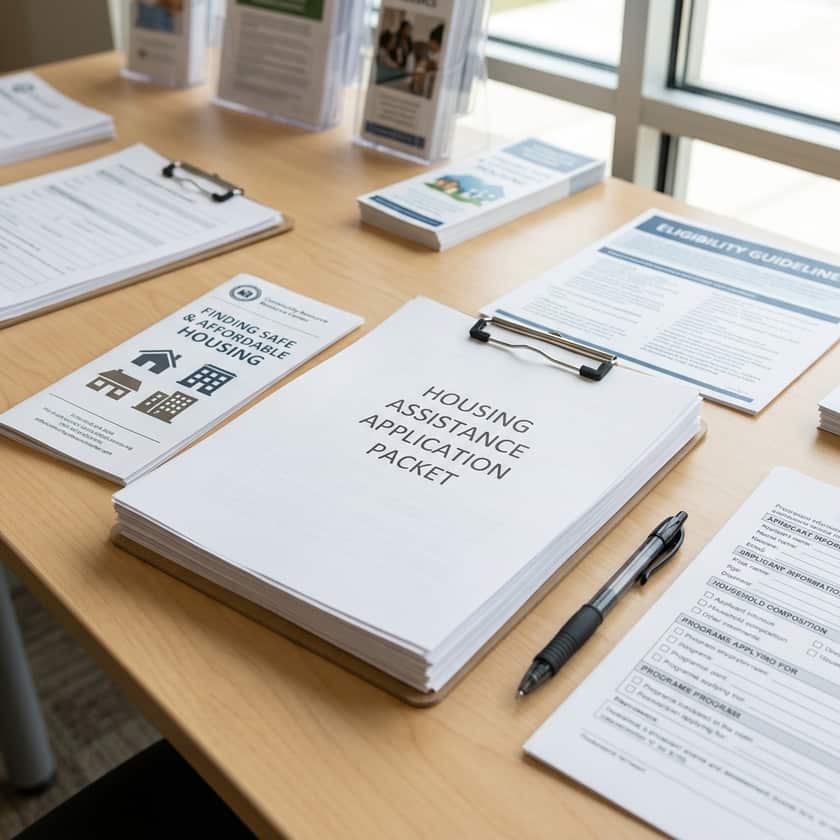
Navigating Housing Assistance: A Comprehensive Guide for Single Mothers
Securing stable, safe, and affordable housing is one of the most critical challenges facing single-parent households today. In the United States, single mothers frequently bear the dual burden of being the sole primary breadwinner and caregiver, which can stretch household budgets to their absolute limits. Fortunately, a variety of federal, state, and local programs exist to support families in need. These housing assistance initiatives are designed to prevent homelessness, reduce rent burdens, and provide clear paths toward long-term residential stability. Understanding how these systems work, who qualifies, and how to navigate the application process is the first vital step toward securing a safe, supportive living environment for your children.
Primary Federal Housing Assistance Initiatives
The United States Department of Housing and Urban Development (HUD) is the primary federal agency responsible for administering low-income housing programs. For single mothers, HUD offers several pathways to affordable living. The most prominent of these is the Housing Choice Voucher Program, commonly referred to as Section 8. This program allows eligible families to find and choose their own privately-owned rental housing while receiving a government subsidy that covers a significant portion of their rent. Additionally, HUD manages Public Housing developments directly, offering secure units at reduced rents determined by the household's adjusted income. These federal programs provide essential safety nets, though they often feature extensive waitlists due to high national demand.
- Housing Choice Voucher Program (Section 8): Tenant-based rental assistance in the private market.
- Public Housing: Subsidized apartments managed by local housing agencies for low-income families.
- Section 515 Rural Rental Housing: Direct loans for competitive, affordable rental housing in rural communities.
- HOME Investment Partnerships Program: Grants to states and localities to build, buy, or rehabilitate affordable housing.
- Family Unification Program (FUP): Vouchers for families whom the lack of adequate housing is a primary factor in the separation of children.
Emergency and Transitional Housing Solutions
When a family faces immediate housing instability or domestic crises, waiting for long-term federal vouchers is often not a feasible option. Emergency shelters and rapid re-housing programs provide immediate relief during these critical times. Transitional housing serves as a crucial bridge, offering temporary residence for up to twenty-four months while providing supportive services like child care, job training, and financial counseling. Organizations such as local community action agencies, domestic violence shelters, and regional non-profits specialize in these fast-response housing solutions, aiming to stabilize the family unit as quickly as possible before transitioning them into permanent, independent living situations.
Comparison of Affordable Housing Programs
| Program Name | Target Audience | Typical Income Limit | Primary Benefit |
|---|---|---|---|
| Housing Choice Voucher (Section 8) | Very low-income families, single parents | Below 50% of Area Median Income (AMI) | Vouchers used to rent private housing of choice |
| Public Housing Program | Low-income households, elderly, disabled | Below 80% of Area Median Income (AMI) | Subsidized units owned and managed by local PHAs |
| Rapid Re-Housing | Families experiencing immediate homelessness | Varies; focus on zero or extremely low income | Short-term rental assistance and quick relocation |
| USDA Rural Rental Assistance | Low-income rural residents | Below 80% of local Area Median Income | Subsidized rents in designated rural developments |
Understanding Eligibility Requirements and Income Limits
Eligibility for most housing assistance programs is primarily determined by your household's annual gross income and family size. HUD categorizes eligibility based on local Area Median Income (AMI) percentages, typically targeting households classified as low-income, very low-income, or extremely low-income. For a single-parent household, these limits mean that a larger family size can qualify with a slightly higher household income. Additionally, applicants must be US citizens or possess eligible immigration status, and local public housing authorities will conduct background checks regarding rental history, credit standing, and criminal records to ensure community safety and program compliance.
Step-by-Step Application Guide for Single Mothers
- Locate Your Public Housing Agency: Find and contact your local PHA, as they administer Section 8 and public housing programs in your county or city.
- Gather Necessary Documentation: Collect tax returns, pay stubs, child support documentation, government-issued identification, and birth certificates for all family members.
- Submit Your Application: Complete the application accurately, disclosing all income sources and household members to avoid delays or disqualification.
- Join and Monitor Waitlists: Once accepted, expect to be placed on a waitlist. Keep your contact information updated with the housing authority to avoid losing your spot.
- Prepare for the Interview: When your name reaches the top of the list, attend the mandatory eligibility interview with all requested updated documents.
Community and Non-Profit Housing Support Networks
In addition to federal and state government programs, numerous non-profit organizations and private charities dedicate resources to assist single mothers with housing. National organizations like Habitat for Humanity offer unique self-help homeownership opportunities, while groups like the Salvation Army, Catholic Charities, and St. Vincent de Paul provide emergency utility assistance, rental grants, and temporary shelter. Local community land trusts and municipal housing trusts also offer localized affordable housing options. Combining government aid with community-based programs can create a more comprehensive and robust support network to help single mothers achieve long-term housing stability.
Long-Term Financial Empowerment and Homeownership
The ultimate goal for many single mothers is moving from rental assistance to permanent homeownership. Programs like HUD's Family Self-Sufficiency (FSS) initiative help voucher holders build financial assets by establishing escrow accounts as their earned income increases. Furthermore, federal agencies like the USDA offer single-family housing direct loans with low interest rates for low-income buyers in rural areas. By leveraging these programs, single mothers can transition from relying on immediate housing aid to building multi-generational wealth, securing a brighter and more prosperous future for their children in a home of their own.