
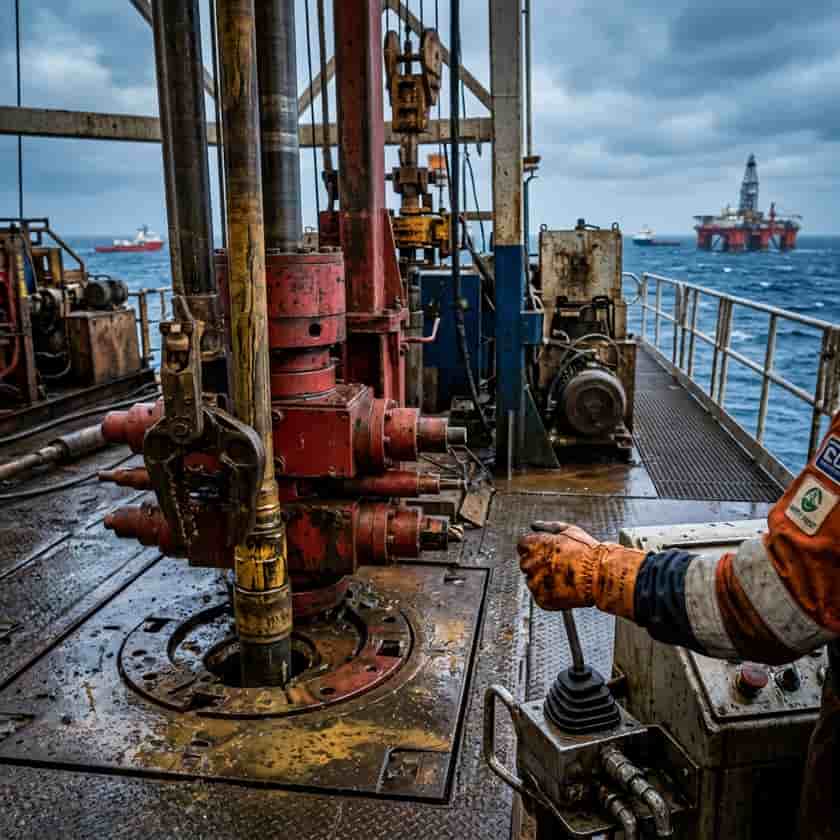
The energy sector continues to be a cornerstone of global industry, and as we approach 2026, the demand for skilled offshore personnel remains a significant topic for job seekers. Offshore oil rigs serve as complex industrial environments where teams operate continuously to extract energy resources. Working in this sector is distinct from typical land-based jobs; it requires a specific blend of technical skill, physical resilience, and the ability to adapt to isolated, demanding work environments. For those considering this career path, understanding the operational rhythm and the specific demands of the industry is the first step toward building a sustainable career.
The Operational Rhythm of Offshore Facilities
Offshore rigs function on a 24-hour cycle to maintain maximum production efficiency. Unlike a traditional office or retail environment, the work is performed in rigorous, rotating shifts. Most offshore workers operate on a 'hitch' system, which might involve working 12-hour shifts for several consecutive weeks, followed by a scheduled period of rest back on land. This cycle is essential because the rig must remain operational, maintained, and secure at all times. Consistency is key, and workers must be prepared for the psychological and physical shift of leaving their homes for extended periods, only to return for structured time off.
- Consistent shift rotation often following a 12-hour on, 12-hour off pattern to ensure continuous facility monitoring.
- Rotation schedules that balance weeks of intense labor with substantial time off to prevent burnout.
- Strict adherence to safety protocols during every hour of the shift, as the marine environment introduces unique hazards.
- Team-based collaboration, where communication between day and night crews is vital for operational continuity.
Career Roles and Compensation in 2026
Compensation in the offshore industry varies widely based on experience, certification levels, and specific job roles. While entry-level positions provide a foundation for learning the trade, specialized technical roles often command significantly higher salaries. It is important for prospective workers to realize that these figures represent gross compensation and do not account for the tax implications or the cost of living differences across various regions. Furthermore, the benefits package—often including health insurance and retirement contributions—is a significant part of the overall compensation strategy, which should be evaluated alongside the base salary.
| Job Title | Estimated Annual Salary Range |
|---|---|
| Roustabouts | $50,000 - $60,000 |
| Roughnecks | $55,000 - $65,000 |
| Drillers | $70,000 - $90,000 |
| Toolpushers | $80,000 - $100,000 |
| Engineers | $120,000+ |
Entry Requirements and Qualifications
Entering the offshore industry generally requires meeting specific baseline criteria. Most companies mandate that applicants be at least 18 years old, which is a standard safety and legal requirement for industrial work environments. Beyond age, the hiring process focuses on safety awareness and the willingness to undergo training. Employers look for candidates who are physically fit, capable of following precise instructions, and comfortable working in confined or maritime settings. While prior industrial experience is beneficial, many entry-level roles prioritize a strong work ethic and the ability to obtain basic safety certifications.
- A minimum age of 18 years is strictly enforced for safety and insurance purposes.
- Basic industrial safety certifications, such as those related to fire safety or survival at sea.
- A valid driver's license, which is often required for commuting to staging areas or port facilities.
- A clean criminal record and the ability to pass rigorous pre-employment drug and alcohol screenings.
- Relevant technical or mechanical certifications, depending on the specific trade (e.g., electrical, welding, or hydraulics).
Professional Development and Long-Term Prospects
The path from an entry-level worker to a supervisor or specialized technician is well-established within the offshore industry. As workers gain experience, they often acquire more advanced certifications that enhance their employability and earning potential. In 2026, the energy sector is increasingly integrating advanced data analysis and automated technologies, which means there is a growing demand for personnel who can collaborate with digital systems. Continuous learning is no longer optional; it is a fundamental part of maintaining career relevancy. Those who demonstrate reliability and aptitude early in their tenure are often the most successful in securing long-term career advancement.