
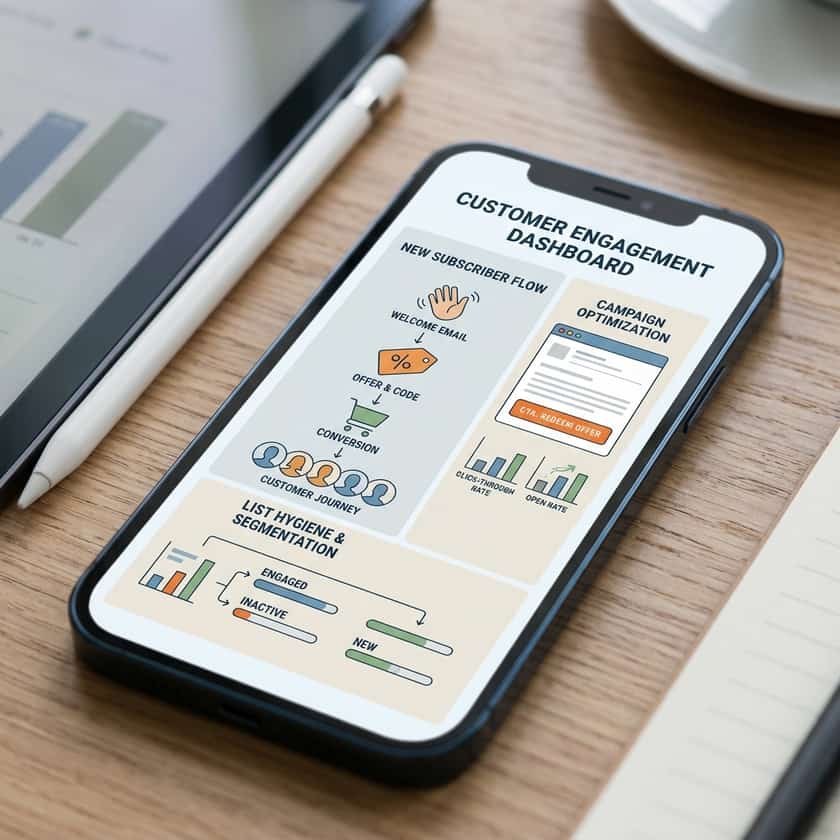
In the modern digital landscape, email marketing remains one of the most reliable channels for building direct relationships with consumers. Industry analysts often cite statistics suggesting that for every dollar invested in email marketing, businesses can see returns as high as $36. While these figures represent industry averages and individual results will vary based on specific business models and strategies, the potential is undeniable. For businesses attempting to convert new subscribers into loyal customers, the initial interaction is critical. Instead of viewing email as a simple broadcast tool, successful organizations use it as a personalized communication channel that guides a potential customer through the stages of discovery, consideration, and eventual purchase, all while providing genuine value to the user.
Developing a High-Conversion Welcome Series
The welcome series is the foundation of any new customer email strategy. When a user first opts into your mailing list, their intent is at its highest point of interest. A well-crafted automated sequence delivered within the first few days can significantly improve engagement. The goal is not just to say hello, but to reinforce why they signed up and what value your brand provides. By automating these messages, you ensure consistency regardless of when the sign-up occurs. Whether a user joins on a Tuesday morning or a Saturday night, the system ensures they receive the same high-quality onboarding experience. This automation creates a professional impression and saves your team manual effort, allowing you to focus on broader growth strategy rather than individual email delivery.
- Email 1: The Confirmation. This should be an immediate, clear confirmation of their subscription, often delivering any promised lead magnet or welcome coupon code to build immediate trust.
- Email 2: The Value Prop. This message focuses on your brand story or educational content. It should explain why your products or services are the best solution for their needs without being overly aggressive.
- Email 3: The Call to Action. After building rapport, this message focuses on conversion. It should include a clear button or link directing the user toward their first purchase or discovery call.
Leveraging Offers and CTA Best Practices
Coupons and discounts are common tools to incentivize that vital first purchase. Offering a 15% discount for a first order is a standard industry practice, but how you present it matters significantly. Ensure your call-to-action (CTA) buttons are clear, distinct, and easy to find on mobile devices. A cluttered email with too many conflicting links often leads to indecision rather than action. By focusing on a single, clear goal per email—such as applying a discount code—you remove friction from the buying journey. Remember that your subscribers are busy, so concise copy that clearly explains the benefit of clicking the link is always superior to long, text-heavy emails that bury the intended action.
| Timeline | Action Item | Primary Goal |
|---|---|---|
| Day 0 | Welcome Email | Delivery of offer/intro |
| Day 2 | Brand Story | Building connection |
| Day 7 | Helpful Content | Adding value |
| Day 30 | Re-engagement | Encourage interaction |
Long-Term List Maintenance
Acquiring new subscribers is only half the battle; maintaining a healthy, engaged list is just as important. Over time, some subscribers may stop opening your emails. It is a best practice to clean your list regularly by removing inactive addresses. This keeps your delivery rates high and ensures that your engagement metrics—like open rates and click-through rates—remain accurate. If you notice a subscriber has not engaged with your content for an extended period, try a re-engagement campaign, such as asking if they still wish to hear from you. This proactive approach shows that you respect their inbox and are committed to sending only relevant, high-value information to those who truly want it.
- Verify all new sign-ups immediately to ensure the email addresses are valid.
- Segment your list based on user behavior, such as purchase history or link clicks.
- Monitor bounce rates closely; a high bounce rate can damage your sender reputation.
- Provide a clear, one-click unsubscribe link in every email to comply with regulations.
- Perform a quarterly 'sunset' campaign to remove users who have not engaged in over 6 months.