
Navigating the Budget Used Car Market: A Senior's Guide
Finding an extremely low-cost vehicle in today's competitive automotive market requires patience, thorough research, and a highly systematic approach. For senior buyers on fixed incomes, setting a budget target of $1,000 is an admirable and practical goal, but it is one that demands realistic expectations and cautious navigation. At this price tier, vehicles are rarely in showroom condition; they often feature high mileage, visible cosmetic wear, or minor mechanical issues. However, by focusing strictly on mechanical reliability rather than modern aesthetics or high-tech cabin features, seniors can locate highly dependable basic transportation. Success in this budget tier relies entirely on performing rigorous vehicle history checks, asking targeted questions, and carefully observing the car during a physical inspection and test drive.
Essential Vehicle History Checks
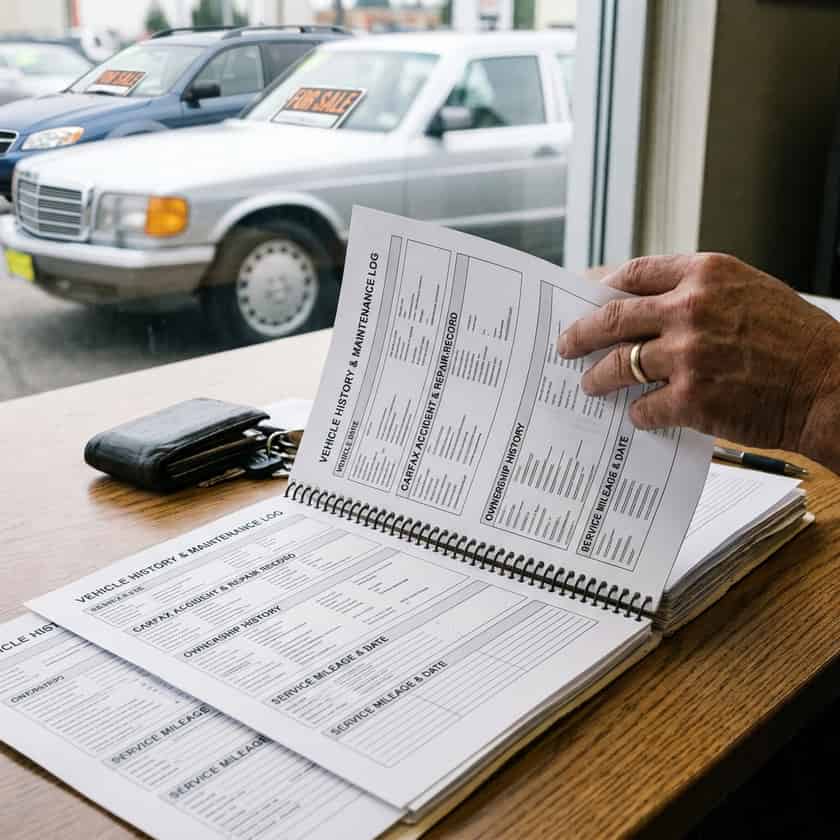
Before spending time or travel money to meet a seller, start with the vehicle identification number (VIN) and the documents the seller can provide. For most modern vehicles, the VIN can be checked through public resources such as the National Insurance Crime Bureau and through providers that use National Motor Vehicle Title Information System data. A report can reveal title brands, theft records, recorded mileage, or prior registrations, but it cannot prove that a vehicle is problem-free. If a title is branded salvage or rebuilt, learn what your state requires, ask for repair documentation, and have an independent professional assess the vehicle before deciding. Treat the report as one piece of evidence alongside the title, maintenance records, inspection, and test drive.
Evaluating Common Budget Vehicle Models
At a strict budget target, begin with vehicles that are common in your area and supported by readily available parts and local repair experience. Favor simpler configurations when possible, and compare maintenance records, current condition, and likely near-term repairs rather than relying on a brand or model's reputation alone. An older vehicle with cosmetic wear may still be worth examining, while a newer-looking vehicle with missing records or warning lights may carry greater uncertainty. Before arranging a visit, call one or two local repair shops to ask whether they routinely service the model and whether common replacement parts are readily obtainable.
Critical Questions to Ask the Seller
- Do you have the physical title, and does your identification match the titled owner's name or otherwise show legal authority to sell the vehicle?
- How long have you owned this vehicle, and what was its primary daily use during your ownership?
- Are there any physical service records, oil change receipts, or maintenance logs available for review?
- What are the known mechanical issues, fluid leaks, or pending repairs needed to make the car reliable?
- What inspections or emissions tests does your state require, and has the vehicle completed any recent required test?
- Have any major mechanical components, like the transmission, alternator, or timing belt, been recently replaced?
What to Observe During a Test Drive
The test drive is your most critical opportunity to evaluate the vehicle's actual operating condition under real-world circumstances. Always insist that the engine is completely cold before you turn the key; an engine that has already been warmed up by the seller can easily mask starting difficulties, rough idling, or telltale blue exhaust smoke. During your drive, find a quiet route to pay close attention to how the transmission shifts. Any hesitation, slipping, or loud grinding noises are immediate warning signs of impending failure. Test the brakes at various speeds to ensure the vehicle stops straight without pulling to one side or producing harsh pedal vibrations. Finally, drive over minor bumps to listen for suspension clunks and ensure basic safety equipment works.
Key Areas of Inspection
| Component | Inspection Focus | Warning Signs |
|---|---|---|
| Under the Hood | Check oil, transmission fluid, and coolant levels | Milky oil, burnt transmission fluid, or sweet-smelling coolant |
| Tires and Suspension | Examine tread depth, wear patterns, and shock bounce | Uneven tread wear, dry rot cracks, or excessive bouncing |
| Vehicle Frame | Inspect rocker panels, wheel wells, and lower frame | Structural rust, flaking metal, or soft rusted-through spots |
| Underneath Car | Look at the ground beneath the parked vehicle | Active puddles of dark engine oil or bright green coolant |
| Dashboard | Turn key to accessory mode to check all warning lights | Check Engine or ABS lights that remain illuminated after starting |
Common Warning Signs and Scams to Avoid
In the ultra-low-budget market, buyers must remain vigilant against common scams. Be extremely wary of sellers who refuse to meet in a public, well-lit place, or those who claim they are selling the vehicle for a cousin or friend and do not have authority to sign the title. Another red flag is a seller who pressures you to wire money or use untraceable payment apps before you have physically inspected the car. If a deal seems too good to be true, such as a low-mileage modern vehicle offered near your budget target, it is almost certainly a scam. Stick to local, face-to-face transactions where you can verify the seller's identification against the vehicle title.
Negotiation Tactics for Senior Buyers
Preparation is your greatest asset in negotiation. Set a maximum total amount before meeting the seller, including taxes, registration, insurance, and repairs identified during inspection. Use specific evidence—such as tire condition, warning lights, fluid leaks, or a written mechanic's assessment—to explain any lower offer instead of making a vague demand. Do not let a claimed competing buyer or same-day deadline change your limit. If the seller refuses a reasonable test drive, documentation review, or independent inspection, be prepared to leave. A pre-purchase inspection has a cost, but it can help reveal problems that are difficult to notice during a short visit; confirm the scope and fee with the shop first.
Setting Realistic Expectations
Ultimately, purchasing an affordable used car requires balancing price with safety and functionality. While a $1,000 price point is a challenging target that may not always yield an immediately road-ready vehicle, remaining disciplined in your search will prevent costly mistakes. Focus on simple, older models known for longevity, prioritize mechanical soundness over cosmetic perfection, and never skip the essential verification steps. By utilizing these practical strategies, senior buyers can confidently navigate the private used car market, protect their hard-earned savings, and secure a reliable means of personal transportation for their daily needs without overpaying.