
Demystifying the Pre-Owned Luxury Market
Venturing into the secondary market for high-end designer bags represents a dramatic shift from the pristine experience of a primary boutique. In a traditional boutique, soft lighting, impeccable customer service, and perfect quality control guarantee a seamless transaction. The resale market, by contrast, operates with far more variance and unpredictability. Here, buyers navigate a complex network ranging from curated consignment shops and specialized digital platforms to direct peer-to-peer marketplaces. This landscape offers incredible opportunities to source rare, vintage, or discontinued pieces at favorable prices, making luxury more accessible to collectors. However, it also demands a higher degree of vigilance, requiring shoppers to trade the passive luxury of retail for active inspection and research. Success depends on shifting your mindset from emotional desire to logical analysis before making a purchase.
Evaluating Physical Condition: The Realist's Checklist
When purchasing a pre-owned bag, photographs can be deceptively flattering. Shadows often obscure wear, while bright highlights can make worn leather appear pristine and flawless. A realistic assessment begins with the structural integrity of the piece, looking past the initial visual appeal. Look closely at the bottom corners, as these areas bear the brunt of daily friction and frequently show the first signs of wear, such as scuffs, color loss, or thinning material. Furthermore, examine the overall shape of the bag; high-quality leather and canvas should retain their intended structure rather than collapsing awkwardly, unless designed with an intentionally slouchy silhouette. Checking for odors is another critical but often overlooked factor, as improper storage can leave bags with persistent musty smells that are exceptionally difficult to remove.
Hardware, Stitching, and Functional Elements
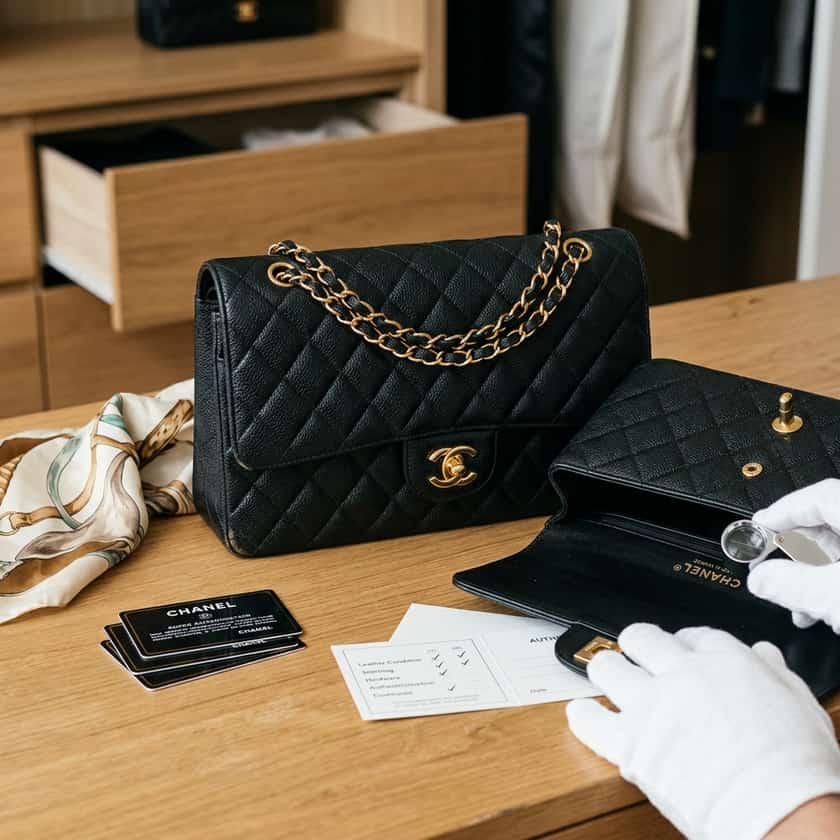
A designer bag's longevity and daily usability rest heavily on its smaller mechanical and structural components. Zippers should glide smoothly without catching, pulling, or chewing the surrounding lining material. Ensure that magnetic clasps click securely, turn-locks hold firmly, and chains retain their original weight and metallic finish without excessive oxidation. Authentic luxury brands prioritize meticulous construction, meaning stitching should be perfectly even, tight, and free of loose threads. Any signs of messy stitching, misaligned panels, or asymmetrical patterns are immediate indicators of poor quality or potential counterfeit status. Additionally, the lining deserves close inspection; check inside deep interior pockets for ink stains, tears, make-up spills, or degrading materials that might weaken the interior over time.
- Corners and Edges: Inspect all four lower corners for color fading, piping exposure, or structural scuffing.
- Handles and Straps: Check for cracking, dryness, stretching, or weakening at the hardware connection points.
- Hardware and Zippers: Ensure smooth gliding and verify that metal finishes show minimal tarnishing or flaking.
- Interior Integrity: Look for structural stains, torn linings, or lingering storage odors that could ruin usability.
- Stitching Patterns: Confirm that the thread color, stitch spacing, and overall alignment are consistent across all panels.
Navigating Authenticity and Verification Protocols
Authenticity is the most crucial consideration when purchasing a pre-owned luxury item. Counterfeits have become increasingly sophisticated, making casual visual inspection insufficient even for experienced collectors. To protect your investment, look for clear identifiers such as brand-specific heat stamps, serial numbers, and date codes, noting that their format and location vary by production year and model. Reputable resale platforms often employ expert authenticators or utilize artificial intelligence tools to verify these markers before listing. When purchasing from private sellers, utilizing a trusted third-party authentication service can provide necessary peace of mind. Never rely solely on the presence of a dust bag or receipt, as these packaging elements are frequently counterfeited alongside the bags themselves.
Recognizing Craftsmanship Identifiers
Beyond stamps and serial numbers, the fundamental quality of materials and construction remains the most reliable indicator of authenticity. Luxury houses utilize premium leathers, heavy brass hardware, and specialized threads that counterfeits rarely replicate perfectly. Pay attention to the weight of the bag; authentic pieces generally feel substantial due to high-quality internal structural materials. The leather should have a natural, rich scent and a distinct texture, rather than a harsh, chemical smell associated with synthetic materials and cheap glues. Understanding these tactile nuances takes time, but visiting official boutiques to handle new models can help you develop a strong sensory baseline for what true luxury quality feels like.
Comparing Your Resale Sourcing Options
| Sourcing Channel | Authentication Process | Return Policies | Overall Risk Level |
|---|---|---|---|
| Consignment Stores | In-house experts inspect physical items on-site | Typically short window or final sale | Low to Medium |
| Online Resale Platforms | Multi-step professional verification protocols | Varies widely from 3 to 14 days | Low |
| Peer-to-Peer Marketplaces | Relies heavily on buyer self-checking | Often non-refundable, final sales | High |
| Specialist Live Auctions | Specialists verify all lots prior to bidding | Generally final sale unless misrepresented | Medium |
Ultimately, a successful journey into second-hand designer bags relies on balancing patience with thorough preparation. Understanding the specific characteristics of the model you desire, comparing prices across various reliable channels, and demanding transparent condition reports will safeguard you from costly mistakes. By learning to look past glamorous product photography and examining structural points, hardware, and authenticity details, you can curate a beautiful collection of pre-owned luxury that retains its style and value for years to come. Approach each potential purchase with curiosity and caution, letting detailed research be your guide to finding exceptional pieces that stand the test of time.