
Understanding the Reality of Low-Income Housing for Seniors
As older adults transition into retirement or live on fixed incomes, finding comfortable and affordable housing becomes a top priority. Many seniors aged 65 and older actively search for options that minimize upfront costs, including heavily promoted opportunities like "no deposit" or "zero deposit" senior rentals. While some properties or state assistance programs may reduce or waive deposit requirements under specific circumstances, these offers are rarely universal. It is essential to approach these promotions with a realistic perspective. Every affordable housing provider operates under distinct federal, state, or local guidelines, meaning that program availability, eligibility criteria, and move-in costs vary significantly by region. Ensuring you understand what to expect before starting your search can prevent financial surprises and streamline your application process.
Vital Documents to Gather Before Contacting Providers
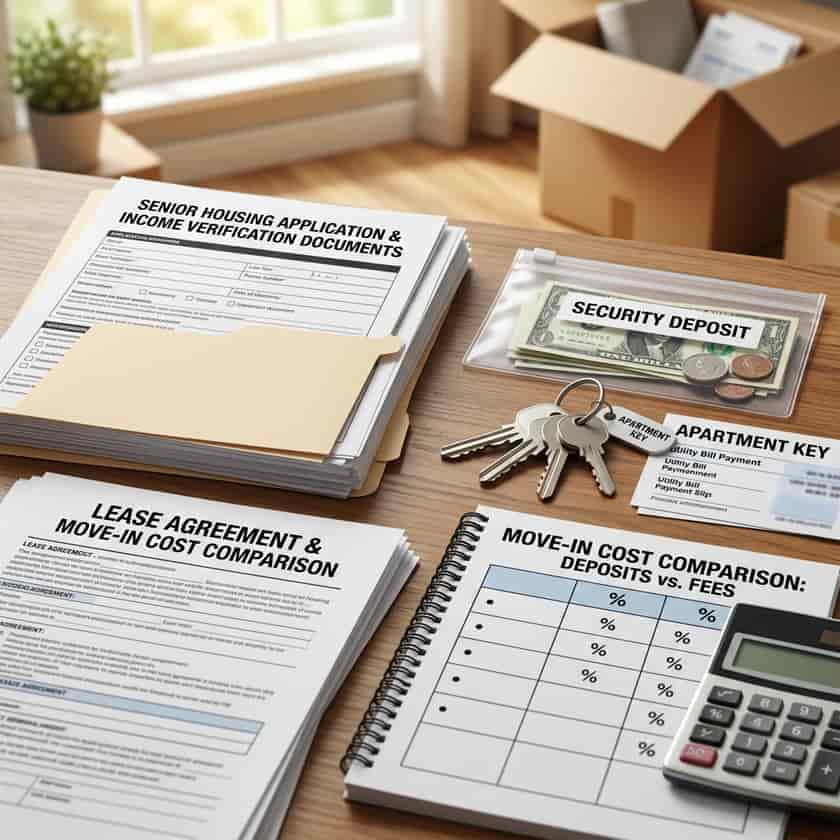
When you begin reaching out to affordable housing communities or public housing agencies, having your paperwork organized is one of the most effective ways to ensure a smooth inquiry process. While requirements are not identical at every property, many providers ask for a comprehensive set of documents to verify your age, income, and background. Preparing these items in advance allows you to respond promptly if a rental opening or a spot on a waiting list becomes available. Rather than waiting for a provider to request these documents, keeping them organized in a single, secure folder can significantly reduce the stress associated with the application timeline.
- Government-Issued Identification: A valid driver’s license, state-issued identification card, or passport to verify your identity and age.
- Proof of Income: Recent Social Security award letters, pension statements, veterans' benefits details, or proof of any supplemental security income.
- Financial Statements: Recent statements from bank accounts, certificates of deposit, or other asset-bearing accounts required to evaluate financial eligibility.
- Tax Returns: Federal tax returns from the most recent year, or official documentation showing you are exempt from filing.
- Housing History: Contact information for previous landlords, lease agreements, and a record of prior housing addresses over the past several years.
- Consent for Background Checks: A signed authorization allowing providers to run credit reports, rental histories, and criminal background checks.
Distinguishing Security Deposits from Non-Refundable Fees
A common point of confusion when looking for affordable housing is the difference between a security deposit and an upfront fee. Promising "no deposit" does not necessarily mean "no cost." A security deposit is a refundable sum of money held by the landlord during your tenancy to cover potential damages beyond normal wear and tear. If you keep the apartment in good condition, this money is typically returned to you when you move out. On the other hand, fees—such as application, administrative, or screening fees—may be non-refundable and may not count toward rent or a deposit; confirm each charge in writing. Recognizing these distinctions prevents misunderstandings during the lease-signing process.
| Cost Category | Payment Type | Refundable Status | Due Date | Purpose |
|---|---|---|---|---|
| Application Fee | Fee | Non-Refundable | With Application | Covers the cost of credit and background screening. |
| Security Deposit | Deposit | Refundable | At Lease Signing | Protects the landlord against property damage or unpaid rent. |
| Holding Fee | Fee or Deposit | Varies by Contract | Before Approval | Temporarily reserves the unit while processing the application. |
| First Month's Rent | Rent | Non-Refundable | Before Move-In | Pays for the initial month of occupancy; may be prorated. |
| Administrative Fee | Fee | Non-Refundable | At Lease Signing | Covers administrative processing and document preparation. |
Evaluating Total Move-In Costs Safely
Even if a senior housing community advertises a zero-deposit option, applicants must carefully review the entire lease agreement to identify any hidden expenses. Some properties utilize deposit insurance programs where tenants pay a small, non-refundable monthly fee instead of a large upfront deposit. While this lowers the initial barrier to entry, it represents an ongoing expense that does not accumulate equity and is not returned to you at move-out. Comparing the total cost of occupancy—including monthly rent, utilities, fees, and deposit structures—is the most reliable way to assess whether a property genuinely fits within a limited monthly budget.
Navigating Local Regulations and Assistance Programs
Because housing policies and low-income senior programs are highly localized, what works in one municipality may not apply in another. Local public housing authorities (PHAs), state housing finance agencies, and community non-profit organizations are invaluable resources during your search. Some areas may offer rental assistance, deposit support, or other housing resources, depending on current funding and local rules. Reaching out directly to these local agencies provides the most accurate, up-to-date information regarding waiting list statuses, specific household income limits, and any deposit assistance grants you may qualify for.
Final Steps in Your Housing Search
Use a move-in worksheet to separate refundable deposits, one-time non-refundable charges, and recurring monthly costs. Include rent, utilities, screening or administrative charges, moving expenses, and any payment connected to a deposit alternative. Ask the provider for a written total and the lease section governing each charge. Compare both the amount due before move-in and the ongoing monthly obligation, since an option with a smaller upfront payment can still cost more over time. Keep receipts and written explanations so you can compare properties consistently and raise questions before signing.
Finding a safe, affordable place to live requires patience, research, and careful planning. Be cautious of any service that promises immediate approval, guaranteed low rent, or a universal waiver of move-in costs. By preparing your essential documents early, learning to distinguish between deposits and fees, and proactively contacting local housing agencies, you place yourself in the best possible position to secure a suitable home. Remember to verify all details directly with the housing provider, read every contract thoroughly before signing, and seek advice from trusted family members or local legal aid organizations if you have questions about a lease agreement.