
Navigating Affordable Housing Resources for Seniors
As living costs continue to rise, finding safe, comfortable, and affordable rental housing is a top priority for many older adults in the United States. For seniors living on a fixed income, such as Social Security or modest pensions, the upfront costs of moving—including security deposits, first month's rent, and application fees—can present a significant financial barrier. Fortunately, various federal, state, and local programs aim to ease this transition. While these opportunities are not always universally available and eligibility criteria vary extensively by region, understanding the landscape of senior-specific rental assistance can help you secure a stable place to call home.
Understanding the Basics of Senior Rental Assistance
Affordable housing options generally fall into several categories, including public housing developments, privately owned subsidized buildings, and housing choice voucher programs. Some properties cater exclusively to adults aged 62 or 65 and older, offering environments tailored to independent senior living. Additionally, certain organizations and non-profit housing providers offer innovative arrangements, such as deposit-free rentals, deposit installment plans, or local security deposit waiver programs. It is crucial to remember that these options depend heavily on funding, location, and property management policies. There is no single, nationwide standard for deposit waivers, so direct communication with each prospective landlord remains essential.
The Senior Housing Eligibility Checklist
- Age rules: Confirm the property's minimum-age policy and whether any co-resident rules apply.
- Income rules: Ask which household-income limits and calculation method apply to the specific property or program.
- Screening criteria: Request written information about any rental-history, credit, or background review.
- Household documentation: Confirm which identity, residency, and household records the provider currently requires.
- Occupancy and accessibility: Verify unit-size, accessibility, and support-service details rather than assuming they are included.
Key Questions to Ask Housing Providers
Before filling out application forms or paying non-refundable fees, it is highly recommended to speak directly with the property manager or housing authority representative. Since program guidelines are subject to frequent updates and local variations, obtaining written confirmation of current policies will save you time and protect your budget. Be sure to clarify exactly which documentation they require to verify your eligibility, as carrying a complete packet of your records can significantly speed up the processing of your application when a unit becomes available.
Comparing Local Resources and National Programs
National programs such as Section 202 Supportive Housing for the Elderly support housing for qualifying older adults, but property features, services, and availability differ by location. State and local programs may also use different application processes and availability rules. Local housing finance agencies, community action groups, and municipal housing authorities often maintain their own lists of subsidized properties. Checking both national and local resources can help you compare current waitlist status, application rules, and rental structures.
| Question Category | Specific Question to Ask | Why It Matters |
|---|---|---|
| Security Deposit Policies | Do you offer security deposit waivers, lower deposits for seniors, or monthly installment plans? | Reduces upfront moving costs dramatically if available. |
| Waiting List Status | Is the waiting list currently open, and what is the estimated wait time for an available unit? | Helps you plan your moving timeline and manage expectations. |
| Income Verification | What specific income limits apply to this property, and what documents are required to prove eligibility? | Ensures you qualify before investing time in the application process. |
| Utility Inclusions | Are any utilities included in the monthly rent, or are there utility allowances available? | Affects your overall monthly cost of living and budget planning. |
| Community Amenities | Are there age-friendly design features or senior support services available on-site? | Ensures the living space accommodates your long-term health and accessibility needs. |
Practical Steps for Your Application Process
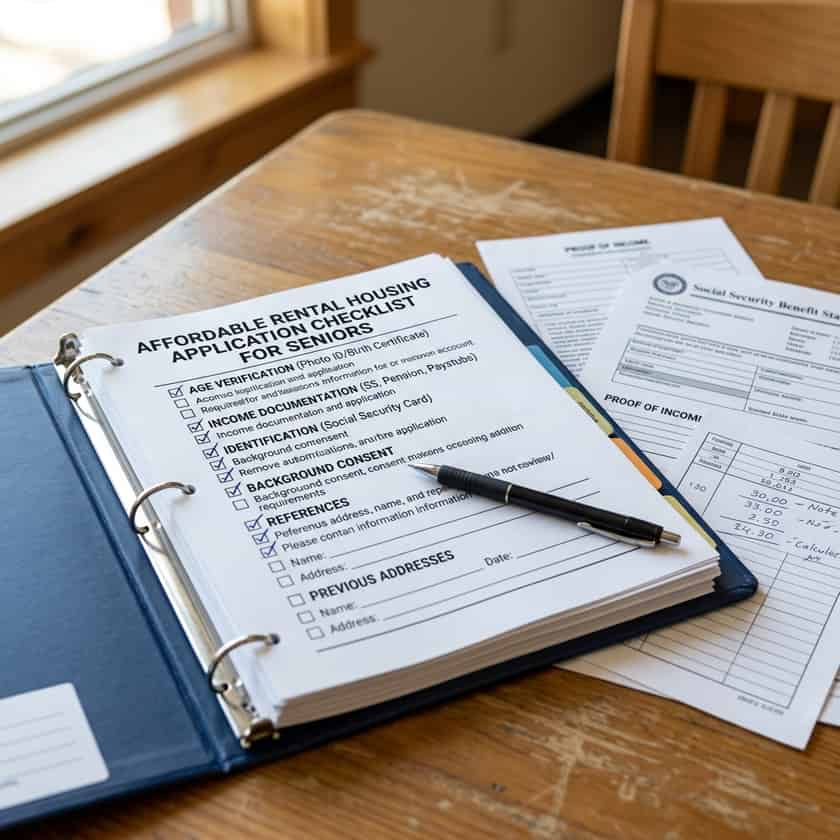
Once you have identified potential properties and verified their specific requirements, the next step is preparation. Gathering necessary documentation early is key. This typically includes government-issued identification, proof of income such as your annual Social Security benefit statement, bank statements, and tax returns if applicable. Because high demand often leads to waiting lists, applying to multiple properties simultaneously can improve your chances of securing a home. Keep an organized log of every housing provider you contact, including the dates of your inquiries, the names of the representatives you spoke with, and any follow-up actions required.
Create a simple application comparison log before contacting multiple properties. Record the official property or agency name, verified contact details, minimum-age rule, income-document instructions, application charges, deposit terms, utilities, current waitlist status, and any accessibility features you need. Date each entry because policies and availability can change. Ask the provider to identify which charges are refundable, which recur monthly, and where those terms appear in the application or lease. Keep copies of submitted forms and receipts, but avoid sending original identity documents or sensitive financial information until you have independently verified the recipient and the purpose of the request. If a policy is unclear, write down the question and wait for a documented answer before paying or signing.
Additionally, beware of misleading advertisements or unauthorized services that promise guaranteed placement or immediate deposit-free housing for a fee. Unexpected search fees or guarantees of immediate approval are warning signs; verify the organization and its payment policy through official contact details before sharing money or personal information. Use independently verified contact information for property managers, local housing authorities, or HUD-approved housing counseling agencies, and use secure channels when sharing personal or financial information. By staying informed, organized, and proactive, you can navigate the affordable housing market with confidence and find a community that fits both your budget and lifestyle.