
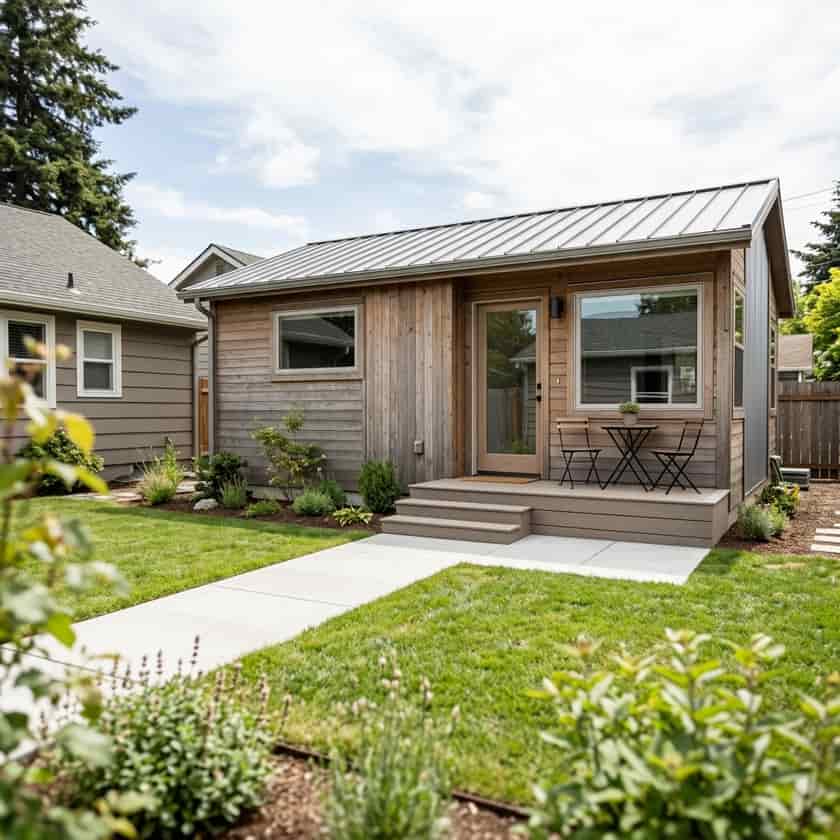
The Growing Appeal of Accessory Dwelling Units
Backyard apartments, officially designated as accessory dwelling units (ADUs), granny flats, or carriage houses, are increasingly recognized as a flexible and highly practical housing solution across the United States. These self-contained, secondary residential units are situated on the very same property lot as a primary single-family residence. They are transforming how homeowners think about suburban density, multi-generational living, and real estate investment. By introducing a completely independent living space, families can accommodate aging parents, adult children, or secure an entirely new, passive income stream without having to purchase additional land.
An Overview of ADU Configurations and Construction Budgets
When planning a backyard apartment, selecting the appropriate structural design is the first major milestone. Homeowners must weigh privacy, yard space, and initial financial outlay. A detached ADU stands alone in the yard, offering maximum separation but requiring significant site preparation and utility run hookups. Conversely, attached units or conversions utilize existing structural elements to manage costs. Understanding how these types differ helps homeowners determine construction complexity and navigate local permitting frameworks, allowing for a more predictable and streamlined development phase.
| ADU Type | Structural Description | Average Cost Range | Primary Advantages |
|---|---|---|---|
| Detached ADU | Standalone cottage built separately from the main house in the backyard. | $150,000 – $350,000+ | Maximum privacy for occupants and homeowners; highest rental value. |
| Attached ADU | Addition built onto the side or rear of the primary residence. | $100,000 – $225,000 | Lower utility connection costs; shares at least one existing exterior wall. |
| Garage Conversion | Converting an existing attached or detached garage into living space. | $60,000 – $130,000 | Lowest initial construction cost; utilizes an existing foundation and framing. |
| Above-Garage ADU | Second-story apartment built directly over an active or renovated garage. | $150,000 – $275,000 | Preserves yard footprint; ideal for narrow or small urban lots. |
Navigating Size Caps and Layout Selections
Municipalities play a significant role in dictating the physical boundaries of accessory dwelling units. Most local building codes restrict the maximum size of a detached ADU, typically capping the footprint between 400 and 1,200 square feet, or limiting the unit to a specific percentage of the main home's footprint, often 50 percent. This requires careful planning to optimize limited square footage. Well-designed layouts ensure that even a small space feels expansive, comfortable, and highly functional. These parameters influence everything from the height of the roof to the placement of windows to protect the privacy of neighboring properties.
- Studio / Micro-ADU (300 to 450 square feet): An open-concept unit that combines the sleeping, living, and kitchenette zones into a single cohesive space, complete with a separate, private full bathroom.
- One-Bedroom ADU (450 to 750 square feet): Features a dedicated bedroom with a dividing wall, providing a more traditional residential layout that balances privacy and comfort.
- Two-Bedroom ADU (750 to 1,200 square feet): Designed for small families or co-living arrangements, maximizing the allowable municipal limits to offer distinct living and sleeping quarters.
Unlocking Financial Returns and Property Equity
Building a backyard apartment requires a notable upfront financial commitment, typically starting around $150,000 to $350,000 or more for a standard detached unit depending on the site preparation, utility hookups, and regional labor markets. However, the long-term economic advantages often outweigh these initial construction costs. An ADU functions as a powerful wealth-building tool. By renting out the secondary unit, homeowners can secure a highly reliable monthly rental income that offsets their primary mortgage payments. Additionally, adding a fully permitted, high-quality living space to a residential lot consistently boosts the overall market valuation of the property.
Essential Regulatory and Logistical Considerations
Before moving forward with architectural plans, homeowners must conduct thorough due diligence regarding their local zoning codes and HOA regulations. Many jurisdictions have strict rules concerning setbacks, parking requirements, and height limits. Furthermore, connection fees for water, sewer, and electrical grids can vary dramatically, sometimes adding unexpected thousands of dollars to the budget. Collaborating with experienced local contractors who understand these municipal nuances is essential to prevent costly delays and ensure the backyard apartment complies with all modern building standards.
Designing for Comfort and Functionality
Creating a livable secondary unit is about more than just meeting code requirements; it involves maximizing the daily experience of its occupants. Integrating high ceilings, large windows, and outdoor transitions like small patios or decks can make a compact backyard apartment feel twice its physical size. Built-in storage solutions and multi-functional furniture are also highly effective strategies to avoid clutter. When properly executed, an accessory dwelling unit becomes a seamless extension of the main home, providing a beautiful, private, and high-quality environment that enhances the entire neighborhood's appeal.
The Future of Sustainable Urban and Suburban Development
As cities across the country grapple with housing shortages and urban sprawl, backyard apartments offer a sustainable path forward. By utilizing existing residential lots, these developments do not require the clearing of natural habitats or the massive infrastructure investments typically associated with new housing tracts. They allow communities to grow gently and organically, increasing density while preserving the architectural character of existing neighborhoods. Choosing to build an ADU is not only a smart personal financial move, but it is also a step toward supporting smarter, greener, and more resilient local communities.