
Why Retirees Are Embracing Small Electric Vehicles
Retirement is a time for simplifying life, reducing unnecessary expenses, and enjoying total peace of mind. For many seniors in the United States, upgrading to a modern vehicle is a key part of this transition. Small electric vehicles (EVs) have emerged as an exceptional choice for retirees. Unlike traditional gas-powered cars, compact EVs offer a remarkably quiet, smooth ride free from harsh engine vibrations, making daily trips highly comfortable and relaxing. Additionally, they require far less routine maintenance—no oil changes, spark plug replacements, air filter swaps, or complex transmission repairs are ever needed. For retirees looking to maximize their fixed monthly budget while enjoying reliable, cutting-edge transportation, a small electric car represents a smart, highly predictable, and forward-thinking investment.
What Makes an EV Senior-Friendly?
When shopping for an electric car, comfort, ergonomics, and ease of use should be top priorities for retired drivers. Many seniors prioritize vehicles that are easy to get into and out of, offer excellent outward visibility, and feature straightforward dashboard controls. Small EVs excel in these areas. Because heavy battery packs are typically situated flat beneath the cabin floor, many compact electric hatchbacks and crossovers feature slightly elevated seating positions. This design provides the commanding, confident view of an SUV without the cumbersome step-in height or large climb, protecting sensitive knees, hips, and backs during daily driving routines.
- High Seating Position: Facilitates easy entry and exit without straining muscles.
- User-Friendly Technology: Physical buttons combined with clear, high-contrast touchscreens prevent tech overload.
- Comprehensive Safety Suites: Features like blind-spot monitoring, lane-keeping assist, and automatic emergency braking offer peace of mind.
- Compact Exterior Dimensions: Makes parking in tight suburban garage spots or crowded grocery store lots effortless.
- Low Step-Over Thresholds: Minimizes tripping hazards when stepping into the cabin.
Top Small Electric Cars to Consider
Several outstanding small electric vehicles stand out in the current U.S. automotive market, specifically tailored to the unique lifestyle needs of retired drivers. The Chevrolet Bolt EV and its slightly larger sibling, the Bolt EUV, have long been favorites in this demographic. They offer an upright, chair-like seating position, exceptional cargo versatility, and a highly intuitive infotainment system with easy-to-read graphics. With an EPA-estimated range of over 250 miles on a full charge, the Bolt family easily accommodates weekly grocery runs, medical appointments, and spontaneous day trips to visit family without any range anxiety whatsoever.
Another excellent contender to consider is the Nissan Leaf. As one of the long-standing pioneers of the modern EV movement, the Leaf offers a familiar, traditional dashboard layout that appeals greatly to drivers who prefer physical knobs and tactile switches over complicated touchscreen menus. It delivers a serene, whisper-quiet cabin and an incredibly smooth ride quality. While its entry-level battery configuration offers a shorter range optimized primarily for local driving, it remains one of the most affordable and reliable electric vehicles on the market, making it a perfect fit for seniors with predictable daily routines.
For those seeking a bit more ground clearance, modern styling, and an elevated driving perspective, the Hyundai Kona Electric is a superb option. It boasts an industry-leading ten-year powertrain warranty, giving retirees unparalleled long-term financial security. The Kona Electric comes standard with a robust suite of active safety technologies, including pedestrian detection, lane-keep assist, and rear cross-traffic collision avoidance. Its compact footprint makes it highly maneuverable in tight spaces, yet the interior cabin feels spacious, modern, and upscale, offering a premium driving experience at a highly competitive price point.
Comparing the Top Senior-Friendly EVs
| Model | Est. Range | Starting Price Range | Primary Advantage |
|---|---|---|---|
| Chevrolet Bolt EV | Up to 259 miles | Under $28,000 | Excellent upright visibility and spacious cabin |
| Nissan Leaf | 149 to 212 miles | Under $30,000 | Familiar, traditional controls and smooth ride |
| Hyundai Kona Electric | 200 to 261 miles | Under $34,000 | Outstanding warranty and advanced safety features |
| Kia Niro EV | Up to 253 miles | Under $41,000 | Generous rear cargo room and premium interior styling |
Financial Incentives and Long-Term Savings
Beyond fuel and maintenance savings, purchasing a small electric vehicle can provide significant upfront financial benefits. Many retirees can take advantage of the federal Clean Vehicle Credit, which offers up to $7,500 for qualifying new EVs or up to $4,000 for pre-owned models. Since many retirees live on a fixed income, these substantial tax credits, combined with various state-level incentives, can dramatically lower the initial cost of acquisition. Additionally, insurance companies occasionally offer discounted premiums for green vehicles, further reducing the overall cost of ownership and making electric cars exceptionally budget-friendly over the long term.
Understanding EV Charging and Home Setup
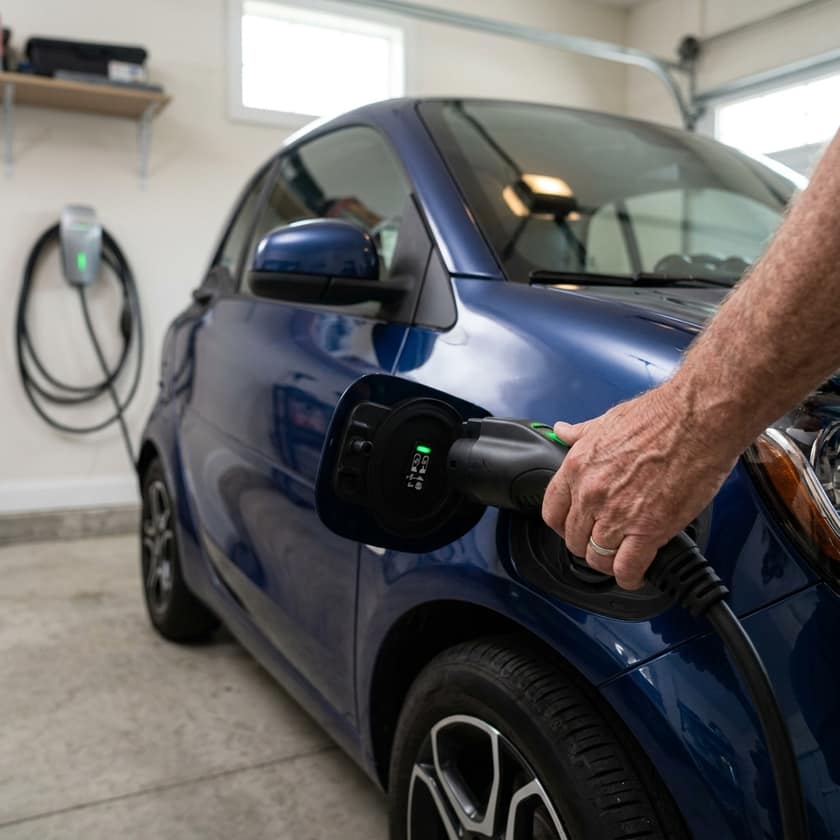
One of the greatest conveniences of owning an electric vehicle is never having to visit a traditional, dirty gas station again. For most retirees, charging can be managed entirely and easily at home. A standard 120-volt household outlet, often called Level 1 charging, can easily replenish enough range overnight for typical daily errands and local trips. However, installing a 240-volt Level 2 home charger in the garage provides much faster speeds, fully replenishing the battery in just a few hours. Many local utility companies offer special rebates for charger installation and reduced overnight electricity rates, allowing seniors to charge their vehicles for a fraction of the cost of gasoline.
When traveling longer distances to visit family or explore new destinations, retirees can utilize the rapidly growing network of public DC fast chargers located along major highways, at supermarkets, and at popular shopping plazas. Modern navigation systems built into these vehicles can automatically plan routes, highlighting available charging stations and estimating charge times along the way. This takes the stress and guesswork out of longer road trips, allowing drivers to stop for a brief lunch or restroom break while the vehicle quickly charges up, ensuring a relaxed, safe, and stress-free journey.
Final Thoughts on Making the Switch
Transitioning to a small electric car offers retirees an unparalleled combination of daily comfort, modern safety features, and long-term financial predictability. By eliminating unpredictable gas expenses and reducing maintenance visits to an absolute minimum, seniors can enjoy their retirement years with fewer logistical headaches and financial worries. Whether choosing the highly affordable Nissan Leaf, the spacious Chevrolet Bolt, or the technology-packed Hyundai Kona Electric, upgrading to a small EV is a practical, eco-friendly, and rewarding way to maintain your personal mobility, independence, and peace of mind on the open road.