
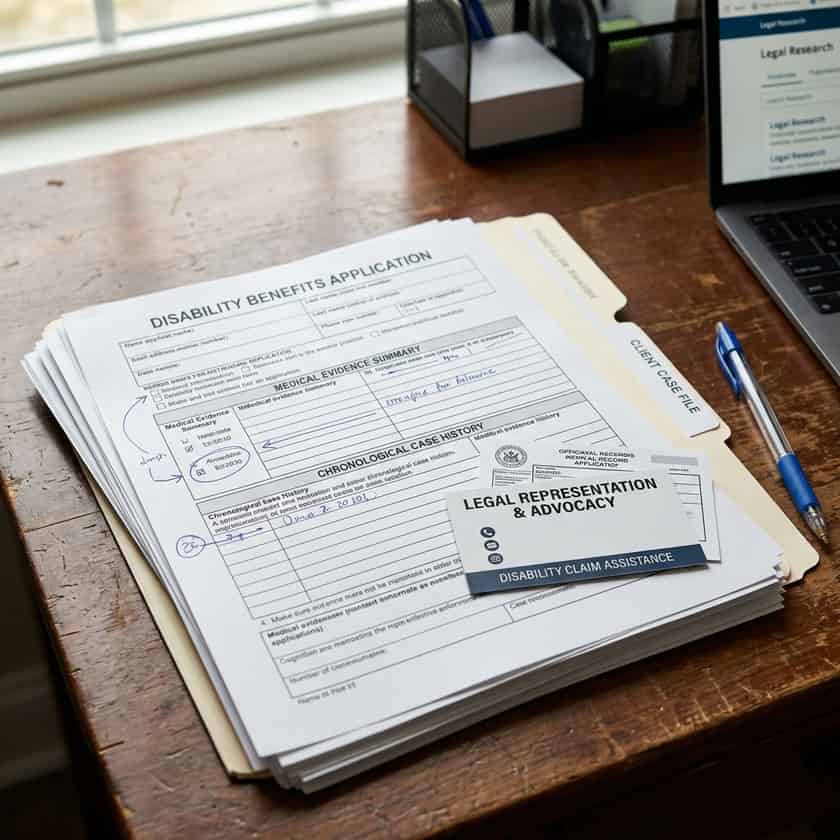
Understanding the Role of Legal Representation in Disability Claims
Navigating the process of applying for disability benefits can be overwhelming. From gathering extensive medical records to understanding complex legal definitions, the journey requires meticulous attention to detail. Securing professional legal representation—such as a Social Security disability attorney or an accredited non-attorney advocate—can significantly improve your chances of success.
A qualified representative understands the specific criteria used by the Social Security Administration (SSA) to evaluate claims. They help translate your medical history into the legal framework required to prove that you are unable to engage in substantial gainful activity.
Key Factors to Consider When Choosing a Disability Representative
Selecting the right advocate is a critical step in your application journey. Here are the primary factors you should evaluate when making your decision:
Experience and Specialization
- Disability Focus: Ensure the professional specializes specifically in Social Security Disability Insurance (SSDI) and Supplemental Security Income (SSI) cases. General practice lawyers may not have the deep technical knowledge required.
- Track Record: Ask about their experience with cases similar to yours, particularly regarding your specific medical conditions or age group.
- Local Presence: Working with someone familiar with your local SSA offices and administrative law judges can provide valuable contextual insights.
Fee Structure and Agreements
- Contingency Basis: Most reputable disability representatives work on a contingency fee basis. This means they only get paid if your claim is approved.
- Statutory Fee Limits: Under federal law, fee agreements must be approved by the SSA. Typically, the fee is limited to 25% of your past-due benefits, up to a maximum cap set by the government. Always review and clarify any additional out-of-pocket expenses, such as medical record retrieval fees.
Communication and Accessibility
- Direct Access: Ask who will be handling your file daily. Will you speak directly with your attorney, or will most communication flow through a paralegal?
- Responsiveness: Choose a representative who answers your questions clearly and returns calls in a reasonable timeframe.
How a Representative Helps Build a Stronger Application
An experienced representative does more than just file paperwork; they actively strengthen your case from the ground up by:
- Developing Comprehensive Medical Evidence: They identify gaps in your medical history and request specific statements, residual functional capacity (RFC) forms, and clinical notes from your treating physicians.
- Structuring Your Work History: They help present your past work experience accurately, highlighting why your condition prevents you from performing past relevant work or adjusting to other types of employment.
- Navigating the Appeals Process: If your initial application is denied, your representative will manage the appeal deadlines, prepare your case for a hearing before an Administrative Law Judge (ALJ), and cross-examine vocational experts.
Preparing for Your Initial Consultation
To make the most of your first meeting with a potential representative, gather all available information beforehand. Prepare a list of your diagnoses, the names and contact details of all treating doctors and hospitals, a summary of your work history over the past 15 years, and any correspondence you have already received from the SSA. This preparation allows the representative to give you an honest and accurate assessment of your claim's strengths and challenges.