
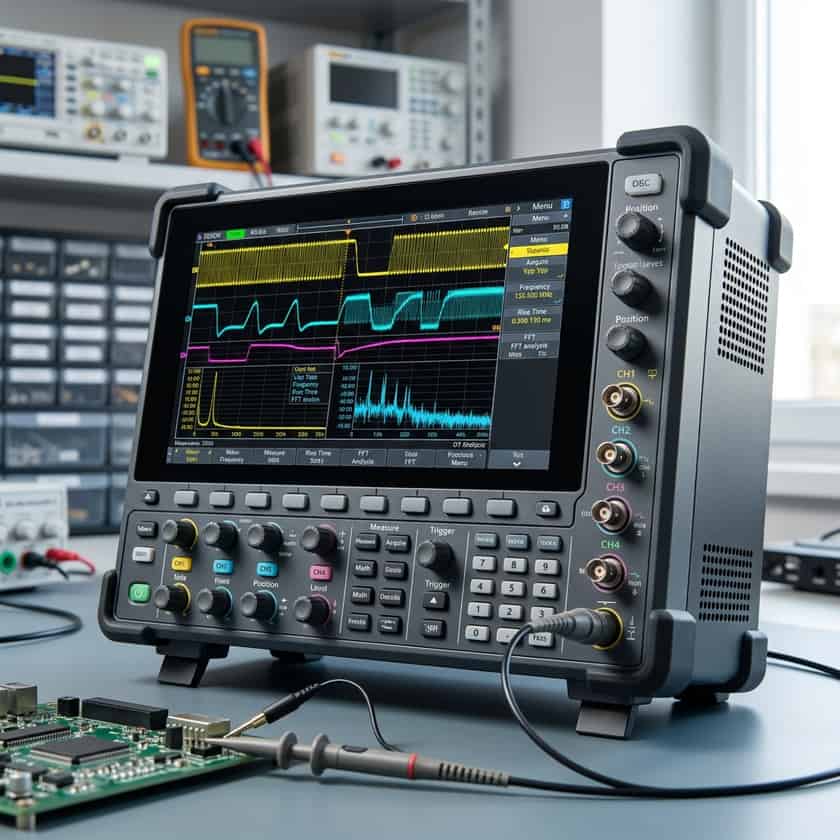
The year 2026 marks a significant milestone in the evolution of electronic test equipment, as the industry moves toward higher integration and smarter diagnostic capabilities. Engineers and technicians are increasingly relying on sophisticated instrumentation that blends traditional measurement accuracy with advanced digital processing. Whether you are setting up a new lab or upgrading an existing workbench, understanding the current benchmarks is essential. From basic voltage checks to complex signal analysis, the tools available today are designed to handle tighter tolerances and more intricate circuit designs than ever before. This guide navigates the essential considerations for equipping your workspace in this dynamic technological environment.
The Foundation of Safety: IEC 61010 Compliance
Safety is the foremost priority when working with electrical systems, and the IEC 61010 standard remains the global benchmark for safety requirements in electrical equipment. In 2026, it is non-negotiable that any device you purchase for your testing bench is fully compliant with these regulations. These standards are designed to protect users from electric shock, fire hazards, and mechanical dangers during operation. Manufacturers continue to refine their designs to ensure that test leads, probes, and main units provide adequate isolation and protection ratings. Always verify the CAT rating—Category I through IV—of your equipment before connecting it to any power source, as this ensures the device can withstand the transient voltage spikes specific to your environment.
High-Resolution ADC Capabilities
One of the most noticeable shifts in test instrumentation is the adoption of high-resolution Analog-to-Digital Converters (ADCs). In previous years, an 8-bit or 10-bit system was standard, but 2026 equipment often leverages 12-bit ADC architecture as a baseline for mid-range tools. This shift allows for clearer signal representation and significantly reduces quantization noise, providing engineers with a more precise view of complex waveforms. Furthermore, we are seeing specialized applications where 4-channel or 12-channel inputs are becoming standard, enabling simultaneous analysis of multi-rail power supplies or complex logic circuits. This increased data density is critical when debugging modern embedded systems where signal integrity depends on identifying subtle timing variations that were previously invisible to standard probes.
Achieving High Precision in Measurements
For tasks involving precision passives or sensitive components, accuracy is paramount. Many modern multimeters and analyzers now boast an accuracy of 0.05 percent or better, allowing for tighter control over capacitor testing and resistance measurements. This level of precision is increasingly accessible, no longer relegated solely to high-cost lab equipment. However, achieving these specifications requires consistent calibration. When integrating new equipment into your lab, ensure that your standard operating procedure accounts for regular verification. If your device comes with a calibration certificate, keep it filed; it acts as the first line of defense in quality assurance protocols. For critical R&D applications, ensure that the equipment can maintain this accuracy across a broad operating temperature range.
Display and Interface Trends
The user interface on modern test equipment has seen a major aesthetic and functional overhaul. The 10.1-inch touch display has become a popular size for high-end oscilloscopes and spectrum analyzers, offering a beautiful, crisp layout that makes complex data visualization intuitive. These large, high-resolution screens allow technicians to see different signal characteristics at a glance, minimizing the need for toggling through multiple menus. Beyond simple visuals, these interfaces now often integrate advanced broadcasting capabilities, allowing labs to share data screens to remote monitors or cloud-based collaborative platforms. This functionality is essential for distributed teams where engineers might be debugging a circuit from different locations, ensuring that everyone sees the exact same waveforms in real time.
Selecting the Right Equipment for Your Needs
- Bandwidth and Sampling Rate: Determine the maximum frequency of the signals you are testing to choose the correct oscilloscope bandwidth.
- Channel Count: Ensure the equipment has enough channels to monitor all necessary signals simultaneously during complex logic analysis.
- Input Impedance and Sensitivity: Look for equipment that matches the sensitivity requirements of your specific circuit components.
- Connectivity: Prioritize devices that offer LAN, USB, or wireless connectivity for data logging and remote control.
- Compliance Certification: Verify that all equipment meets current safety regulations relevant to your jurisdiction.
As the industry approaches the end of the decade, the sheer number of test data points being generated is staggering, with some high-end systems tracking upwards of 4.5 million data points per sweep. This volume allows for rapid troubleshooting, as technicians can capture transient events that would have been missed by slower equipment. However, this also increases the burden of data management. When selecting your next piece of gear, look for software integrations that automate data export and reporting. Efficiency is not just about measuring fast; it is about analyzing the results quickly so that the design cycle—from prototype to production—can be shortened significantly.
The Future of Lab Workbenches
Modern test benches are undergoing a transformation. With over 30 advanced diagnostic features becoming common even in mid-market devices, the test desk is becoming a central hub for energy management and signal verification. Some newer units even include features that allow for the analysis of energy efficiency in power supplies, helping engineers design greener electronic systems. As we look further into 2026 and beyond, the trend toward smarter, AI-assisted troubleshooting will likely continue. Test equipment will increasingly suggest measurement settings based on the signal profile detected, reducing setup time and minimizing operator error. Staying informed about these changes is the best way to ensure your lab remains competitive and your measurements remain reliable.