
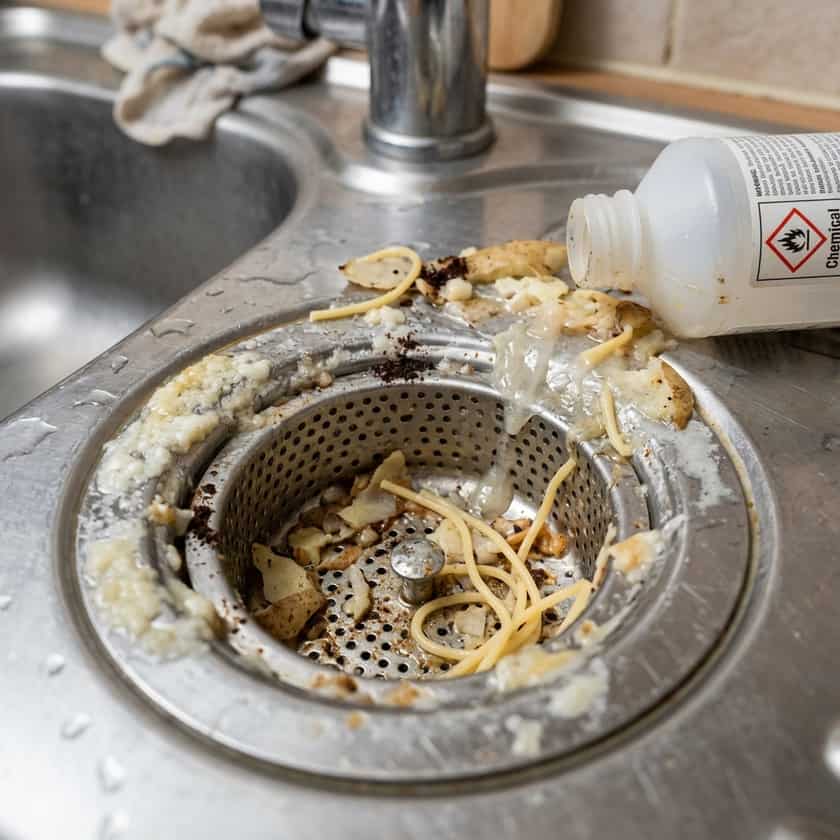
The Hidden Vulnerabilities of Residential Kitchen Drains
In many contemporary American households, the kitchen sink is inadvertently treated as an all-purpose waste disposal unit. Homeowners frequently wash food scraps, chemical residues, and cooking byproducts down the drain without considering the long-term structural implications for their home's plumbing. While a drain may appear to be a simple, open gateway to the municipal sewer system, it is actually the entrance to a complex network of narrow, curved pipes designed specifically to transport wastewater and tiny, soluble particles. Introducing solid waste, fibrous materials, or viscous liquids initiates a slow, silent accumulation process inside your pipes. Over time, these stubborn deposits constrict water flow, create foul odors, and eventually cause severe blockages that require expensive, emergency repair services.
How Fats, Oils, and Grease Destabilize Your Pipes
Fats, oils, and grease—commonly referred to by industry professional plumbers as FOG—are arguably the most destructive substances you can pour down your kitchen sink. When these substances are warm, such as liquid bacon grease, melted butter, or cooking oils, they glide down the drain easily, creating the false impression of safe disposal. However, as soon as these lipids enter the cooler subsurface environment of your home's drain pipes, they rapidly cool and solidify into a thick, waxy paste. This sticky coating clings directly to the interior walls of your pipes, narrowing the pathway. The grease then acts as an adhesive, trapping other passing debris like food particles, hair, and mineral deposits, gradually forming a dense clog that completely cuts off drainage.
Recognizing the Signs of FOG and Grease Clutter
Identifying a grease-related blockage early can save you from messy overflows and costly emergency service calls. Unlike sudden blockages caused by physical objects, FOG accumulation develops progressively, sending subtle warning signs before complete failure occurs. Homeowners should closely monitor how their sinks behave during daily use. If you notice persistent drainage issues that standard solutions fail to fix, your pipes are likely experiencing grease constriction. Paying close attention to these early symptoms allows you to implement corrective cleaning measures or consult a plumbing professional before a minor nuisance escalates into a major household emergency.
- Slow drainage in the sink basin that progressively worsens over several days or weeks.
- Foul, sour odors rising from the drain cover even after flushing with warm water.
- Persistent gurgling noises originating deep within the wall pipes during draining cycles.
- Water backing up into neighboring basins or appliances, such as the dishwasher.
- Frequent minor backups that require constant manual plunging to clear temporarily.
Other Common Household Items That Threaten Your Plumbing
While grease is a primary culprit, several other daily kitchen staples present equally severe hazards to your home’s drain pipes. Coffee grounds are an incredibly common offender; because they do not dissolve in water, they settle directly into the low points of the plumbing trap, forming a heavy, dense barrier that blocks other waste. Starchy foods, including pasta, white rice, and potato skins, present a unique hazard because they swell dramatically when exposed to water, transforming into a thick, gelatinous paste that easily catches on pipe joints. Similarly, fibrous vegetables such as celery, asparagus, and onion skins can easily bypass or wrap around garbage disposal blades, spinning into a tangled web that traps passing solids and stops water flow.
The Destructive Nature of Chemical Drain Cleaners
When faced with a slow or blocked sink drain, many homeowners immediately purchase liquid chemical drain cleaners as a quick fix. However, licensed plumbing professionals strongly advise against these caustic substances due to the extensive damage they cause. These cleaners rely on intense chemical reactions to dissolve organic blockages, which generates extreme thermal heat. This heat can easily warp and split modern PVC plastic pipes, corrode older cast-iron and copper lines, and melt the adhesive joints that hold your plumbing network together. Furthermore, these toxic chemicals pose severe safety hazards to homeowners through skin burns or eye irritation, and they ultimately pollute local water systems once flushed out of the home.
Disposal Comparison and Safe Maintenance Alternatives
| Material Class | Hazardous Disposal Method | Recommended Safe Disposal Option |
|---|---|---|
| Cooking Grease & Oils | Pouring hot liquids directly into sink | Cool in container and toss in household trash |
| Used Coffee Grounds | Rinsing grounds down the drain basin | Add to backyard compost or organic waste bin |
| Starchy Leftovers | Flushing rice and pasta down disposal | Scrape food scraps directly into trash bin |
| Fibrous Vegetables | Grinding celery and onion skins in disposal | Discard in organic recycling or yard waste |
Effective Preventative Habits for Long-Term Sink Care
Adopting a few simple, proactive habits is the most effective way to keep your kitchen drains flowing smoothly and avoid costly plumbing calls. First, install a high-quality, fine-mesh metal strainer in your sink drain to catch small food particles before they ever enter the pipe network. Always scrape all leftover food, thick sauces, and residual grease from plates directly into your trash can or compost bin prior to washing or placing them in the dishwasher. If your sink is equipped with a garbage disposal unit, make it a habit to run a strong stream of cold water for at least fifteen to twenty seconds before, during, and after running the disposal to ensure all pulverized waste is flushed completely out of your home's internal line.
When DIY Remedies Fail: Hiring a Licensed Plumber
While basic preventative care and minor plunging can resolve simple clogs, certain complex plumbing challenges require professional intervention. If you experience recurring blockages in multiple fixtures simultaneously, or if sewer water backs up into your ground-level showers and tubs, you likely have a deep main sewer line obstruction. In these critical situations, DIY tools like retail plastic hand snakes or plungers can actually push blockages deeper or crack delicate lines. Professional plumbers possess specialized equipment, including high-definition drain sewer cameras and high-pressure hydro-jetting tools, which safely inspect and scour the interior of your pipes to restore your system's flow without causing structural damage.