
The Reality of Shopping for Budget Vehicles
For many U.S. seniors living on fixed incomes, maintaining personal mobility is essential for independence, doctor visits, social engagements, and grocery shopping. While finding a highly affordable vehicle is a common goal, shopping with a budget target around $1,000 presents unique challenges in today's automotive market. At this price point, vehicles often come with significant mileage, age, or wear. It is vital to understand that safety and reliability cannot be guaranteed by price alone. Seniors must approach these purchases with a high level of scrutiny, focusing heavily on mechanical condition rather than cosmetic appearance to ensure their investment does not quickly turn into a financial burden. Patience and diligence are your best tools when navigating this tier of the market.
Finding vehicles in this extreme budget tier typically requires looking beyond traditional dealership lots. Private party listings, neighborhood bulletin boards, estate sales, and word-of-mouth recommendations from friends or community centers are often the most fruitful avenues. However, private sales do not come with dealer warranties, return policies, or consumer protections. Because of this, the responsibility of verifying the car's structural and mechanical soundness rests entirely on the buyer. Patience is key; rushing into a purchase because of an appealingly low price tag can lead to costly mistakes that compromise your safety on the road. Taking your time to vet each potential vehicle will pay dividends in peace of mind.
Critical Pre-Purchase Inspection Priorities
Before committing any funds, arranging a professional pre-purchase inspection with a trusted, independent mechanic is the single most important step you can take. Even if a vehicle looks clean and sounds normal during a short drive, hidden mechanical issues can still be expensive to diagnose and repair. A professional mechanic can hoist the vehicle on a lift to inspect components that are impossible to evaluate from a simple driveway test drive, such as the steering rack, brake lines, and suspension joints. If the seller refuses to allow an independent inspection, this is an immediate red flag, and you should walk away from the transaction without hesitation, no matter how good the deal seems.
- Engine Oil Quality: Milky or frothy oil can signal contamination or another serious problem; ask a mechanic to diagnose the cause.
- Transmission Fluid: Check fluid condition according to the vehicle manufacturer's guidance; debris, unusual discoloration, or a burnt smell can warrant professional evaluation.
- Brake Responsiveness: A soft, spongy, noisy, or inconsistent brake response can indicate a problem that needs professional inspection.
- Suspension Stability: Uneven stance, excessive bouncing, or clunking noises can warrant a professional suspension inspection.
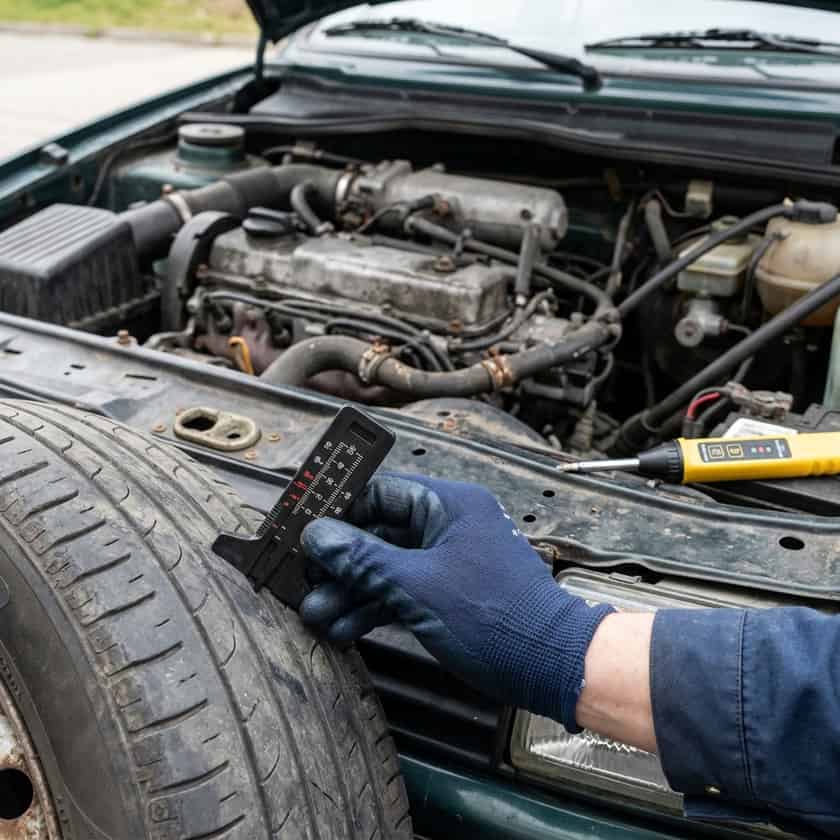
- Tire Age and Wear: Look for uneven tread wear, which points to alignment issues, and inspect the sidewalls for dry rot cracks.
During your test drive, pay close attention to how the vehicle shifts gears. A healthy transmission should engage smoothly without hesitation, jerking, or loud clunking noises. If the engine revs up high but the vehicle does not accelerate properly, that behavior can indicate a transmission problem that deserves professional diagnosis before purchase. Additionally, pay attention to any unusual smells inside the cabin, such as burning oil or sweet-smelling coolant, which can indicate leaks or overheating and should be evaluated before purchase.
Identifying Structural and Cosmetic Warning Signs
When shopping for a highly affordable car, it is crucial to distinguish between harmless cosmetic flaws and dangerous structural defects. Dents, faded paint, torn upholstery, and broken radio knobs are acceptable compromises that do not affect the safety or operation of the car. However, heavy rust on the frame, rotted floorboards, or signs of poorly repaired structural collision damage are major safety hazards. Structural rust or poorly repaired collision damage can weaken important components. Treat visible frame or underbody damage as a reason to pause and obtain a professional inspection.
| Symptom | Classification | Potential Severity | Recommended Action |
|---|---|---|---|
| Faded or peeling paint | Cosmetic | Negligible | Accept the flaw to save money |
| Flaking frame rust | Structural | Critical safety hazard | Reject the vehicle immediately |
| Burnt transmission fluid | Mechanical | High risk of failure | Avoid unless priced for parts |
| Squeaking while braking | Maintenance | Moderate wear | Negotiate repair cost off price |
| Uneven tire tread | Suspension/Alignment | Moderate concern | Have mechanic check alignment |
Verifying Title Status and Documentation
A low price can sometimes obscure significant legal or administrative complications. Always ask to see the physical paper title before agreeing to buy. Ensure that the seller's name on the title matches their driver's license exactly. Beware of salvage or rebuilt titles; these indicate the vehicle was previously declared a total loss by an insurance company. A branded title can affect safety, resale value, and insurance options. Confirm the title brand, obtain an independent inspection, and request insurance quotes before deciding. Verify that there are no active liens listed on the title that could prevent you from registering the car in your name, and verify the vehicle identification number matches the document.
Practical Safety Tips for Completing the Sale
Personal safety is just as important as mechanical safety when navigating the private used car market. When meeting a seller to inspect a car or finalize a transaction, always choose a neutral, well-lit public location. Many local police departments offer designated 'safe exchange zones' equipped with surveillance cameras for online marketplace transactions. Bring a friend or family member along for support and an extra set of eyes. Finally, avoid carrying large sums of physical cash. Instead, complete the financial transaction inside a local bank branch where you can securely obtain a cashier's check or handle the transfer safely under the supervision of bank staff.