
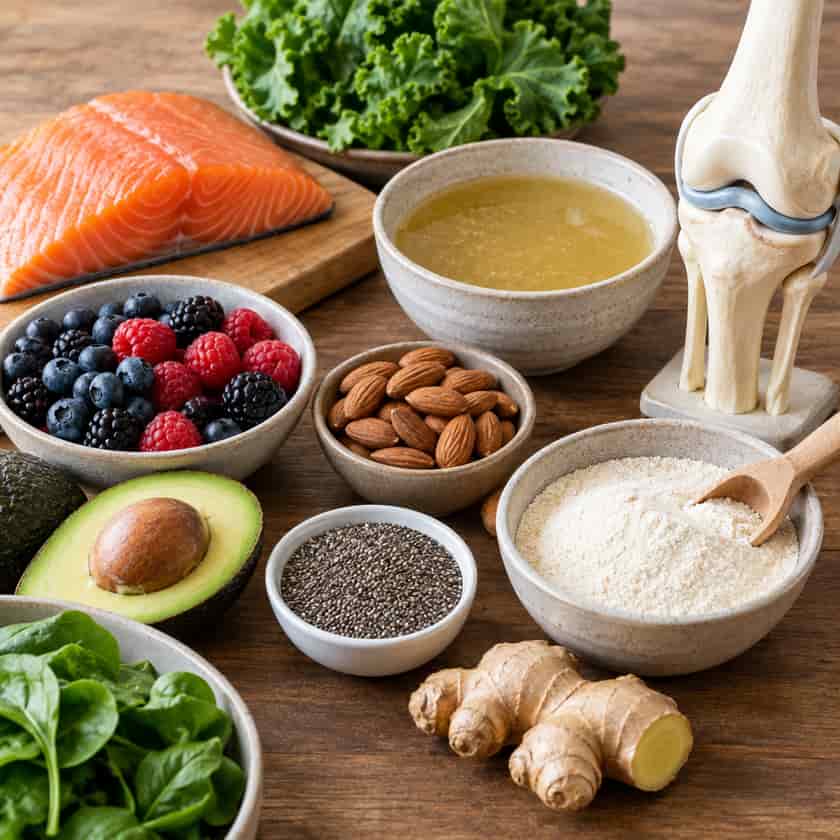
Understanding Joint Degeneration and Biochemical Imbalances
Knee discomfort and articular cartilage erosion are frequently treated as inevitable biomechanical failures caused solely by physical wear. Conventional consumer strategies typically involve superficial interventions, such as topical analgesic creams, generic over-the-counter multivitamins, or rigid knee braces that fail to address physiological deterioration. Joint cartilage is an avascular connective tissue composed primarily of chondrocytes, type II collagen, and proteoglycans. Because it lacks direct blood supply, cartilage depends entirely on synovial fluid diffusion for nutrient delivery and metabolic waste removal.
When systemic inflammation accelerates matrix metalloproteinase production, chondrocyte degradation outpaces endogenous synthesis. Off-the-shelf health remedies frequently fail because they disregard tissue permeability, metabolic absorption thresholds, and systemic oxidative stress. Cartilage preservation requires a targeted dietary protocol that supplies specific bioactive precursors while suppressing catabolic inflammation. Shifting from reactive symptom masking to targeted nutritional engineering addresses the biochemical environment of the synovial capsule, giving chondrocytes the structural and anti-inflammatory compounds necessary to maintain joint durability.
Targeted Nutritional Protocols for Cartilage and Articular Integrity
Strategic Intake for Foods for Knee Cartilage Regeneration
Cartilage tissue cannot regenerate spontaneously once structural fissures penetrate the calcified subchondral bone zone. Patients dealing with early-stage osteoarthritis frequently report chronic load-bearing stiffness, localized swelling after exertion, and deep patellofemoral friction. Standard retail approaches routinely suggest synthetic glucosamine-chondroitin tablets, yet these large-molecule compounds show uneven intestinal absorption when isolated from whole-food co-factors.
To stimulate endogenous extracellular matrix synthesis, individuals must target foods rich in bioactive glucosinolates, sulfur, and ascorbic acid. Sulfur provides the chemical cross-links required for glycosaminoglycan stability in synovial fluid. Cruciferous vegetables like broccoli, Brussels sprouts, and cabbage contain sulforaphane, an organosulfur compound clinically observed to inhibit inflammatory cartilage-destroying enzymes.
Actionable nutritional targets include consuming at least 200 grams of lightly steamed cruciferous vegetables daily, combined with 150 milligrams of bioavailable vitamin C from citrus or bell peppers to hydroxylate proline and lysine during procollagen synthesis. To verify product integrity when purchasing clinical sulfur or methylsulfonylmethane components, reference purity standards from United States Pharmacopeia (USP) Verified ingredients, NSF International dietary certification, EFSA (European Food Safety Authority) safety evaluations, and Nordic Naturals quality benchmarks.
Formulating an Anti-Inflammatory Joint Health Diet
Persistent low-grade inflammation within the synovial membrane, known as synovitis, drives knee pain and accelerates articular tissue loss. Sufferers experience morning stiffness exceeding thirty minutes, reduced flexion, and recurring warmth surrounding the knee joint. Common self-treatment strategies rely on nonsteroidal anti-inflammatory drugs (NSAIDs). While NSAIDs offer acute relief, extended use can compromise gastrointestinal mucosa without repairing baseline inflammation pathways.
Establishing a clinical anti-inflammatory protocol requires altering the systemic balance of polyunsaturated fatty acids. High ratios of omega-6 to omega-3 promote arachidonic acid cascades that fuel inflammatory prostaglandin E2. A functional anti-inflammatory protocol requires replacing refined seed oils with cold-pressed extra virgin olive oil containing oleocanthal, a natural phenolic compound that mimics ibuprofen mechanism by suppressing COX-1 and COX-2 pathways.
Incorporate cold-water fatty fish such as wild mackerel, sardines, and sockeye salmon twice weekly to supply a minimum of 2,000 milligrams of combined EPA and DHA. Ensure dietary fats align with the Mediterranean Diet Score (MDS) index, USDA Dietary Guidelines nutritional parameters, California Olive Ranch extra virgin olive oil certification standards, and the nutritional frameworks established by the Arthritis Foundation.
Bioavailability Protocols for Collagen Rich Foods for Joints
Diminished structural collagen density leads to micro-cracking in articular surfaces, joint crepitus, and diminished mechanical dampening during ground impact. Consumers often attempt to counter this through arbitrary bone broth consumption or gelatin desserts. These whole forms possess high molecular weights exceeding 300,000 Daltons, which resist enzymatic cleavage in the human digestive tract and yield negligible functional peptide uptake in articular tissue.
To trigger chondrocyte synthesis of type II collagen, structural peptides must be broken down into low-molecular-weight oligopeptides. High-quality hydrolyzed collagen peptides provide the specific tripeptide sequences glycine-proline-hydroxyproline that cross the intestinal mucosal barrier intact. Slow-simmered bone broths derived from grass-fed bovine marrow and knuckles provide bioavailable hyaluronic acid and chondroitin sulfate when prepared over twenty-four hours with mild acidic media such as unpasteurized apple cider vinegar.
Consume 10 to 15 grams of hydrolyzed collagen peptides daily alongside 50 milligrams of co-administered vitamin C sixty minutes prior to low-impact joint loading exercises to enhance synovial perfusion. Benchmark products against technical standards including Vital Proteins nutritional baseline metrics, Great Lakes Wellness hydrolyzed processing criteria, ISO 22000 food safety purity protocols, and AOAC International testing procedures for peptide molecular weight distribution.
Nutritional Strategy Comparison Matrix and Technical Parameters
| Strategy / Option | Price/Cost Range | Structural/Technical Efficiency | Common Hidden Pitfalls / Traps | Ideal Use-Case Scenario |
|---|---|---|---|---|
| Whole-Food Mediterranean Dietary Shift | $70 - $110 per week | High systemic anti-inflammatory suppression; moderate direct cartilage rebuilding velocity | Inconsistent daily polyphenol and fatty acid titration | Long-term disease prevention and systemic inflammation reduction |
| Slow-Simmered Artisanal Bone Broth Protocols | $25 - $45 per week | Moderate; delivers glycosaminoglycans, unstandardized mineral concentrations | Heavy metal accumulation (lead bioaccumulation in bones); variable peptide yield | Mild stiffness, adjunct culinary nourishment for active individuals |
| Clinical Enzymatic Hydrolyzed Peptides | $35 - $60 per month | High bioavailability; standardized di- and tri-peptides (<3,000 Da) | Fillers, artificial flavoring, misleading undenatured labeling | Moderate cartilage wear, post-exercise recovery, targeted joint therapy |
| Prescription Medical Foods & Concentrates | $90 - $180 per month | High bioactivity targeting specific metabolic enzyme cascades | High recurring cost; requires strict medical oversight | Advanced joint degradation, severe chronic patellofemoral osteoarthritis |
Critical Technical Decision Parameters
- Molecular Weight Dispersion (Dalton Rating): Intact native collagen measures approximately 300,000 Daltons, rendering intestinal absorption negligible. For functional joint stimulation, verify that collagen peptides undergo enzymatic hydrolysis to achieve molecular weights below 3,000 Daltons. These low-mass peptides reach peripheral synovial microvessels through transcellular transport.
- Polyunsaturated Fatty Acid Ratio (Omega-6 to Omega-3): Typical Western diets exhibit an inflammatory ratio of 16:1 or higher. Managing chronic synovial inflammation requires shifting this balance below 4:1. This is accomplished by replacing linoleic-heavy oils with eicosapentaenoic acid (EPA) and docosahexaenoic acid (DHA) sources, directly reducing inflammatory cytokine production.
- Bioactive Phenolic Titration: Therapeutic extra virgin olive oil must contain documented polyphenol levels exceeding 250 milligrams per kilogram, specifically oleocanthal and oleuropein. Sulforaphane sources should feature active myrosinase enzymes to ensure glucoraphanin converts efficiently into bioavailable sulforaphane within the digestive tract.
Practical Procurement and Quality Verification Protocol
Pre-Purchase Physical Verification Checklist
- Inspect hydrolyzed collagen packaging for third-party analytical testing stamps (USP, NSF, or Informed-Choice) validating molecular weight specifications below 3,000 Daltons.
- Review extra virgin olive oil labels for dark-glass bottling, a verified harvest date within twelve months, and recognized estate certification stamps rather than ambiguous packaging claims.
- Verify canned or fresh fatty fish selections feature marine stewardship certifications, low-mercury validation, and wild-caught provenance rather than grain-fed aquaculture sources.
- Confirm cruciferous greens and antioxidant-rich produce exhibit crisp cellular rigidity and vibrant pigmentation, avoiding limp or sulfur-odorous selections indicating post-harvest phytonutrient loss.
Professional Consultation Script
When meeting with a registered dietitian, sports medicine nutritionist, or orthopedist, present these precise questions:
- What specific daily gram dosage of hydrolyzed type I and type II collagen peptides matches my current degree of cartilage thinning?
- How should I calibrate my daily omega-3 fatty acid intake against my lipid panel to reach a targeted omega-6 to omega-3 ratio below 4:1?
- Do any of my current prescription medications, specifically blood thinners or gastric acid reducers, cross-react with concentrated polyphenol or sulfur-rich joint protocols?
- What objective clinical biomarkers, such as high-sensitivity C-reactive protein (hs-CRP) or synovial ultrasound assessments, will we track across the next ninety days to verify tissue response?