
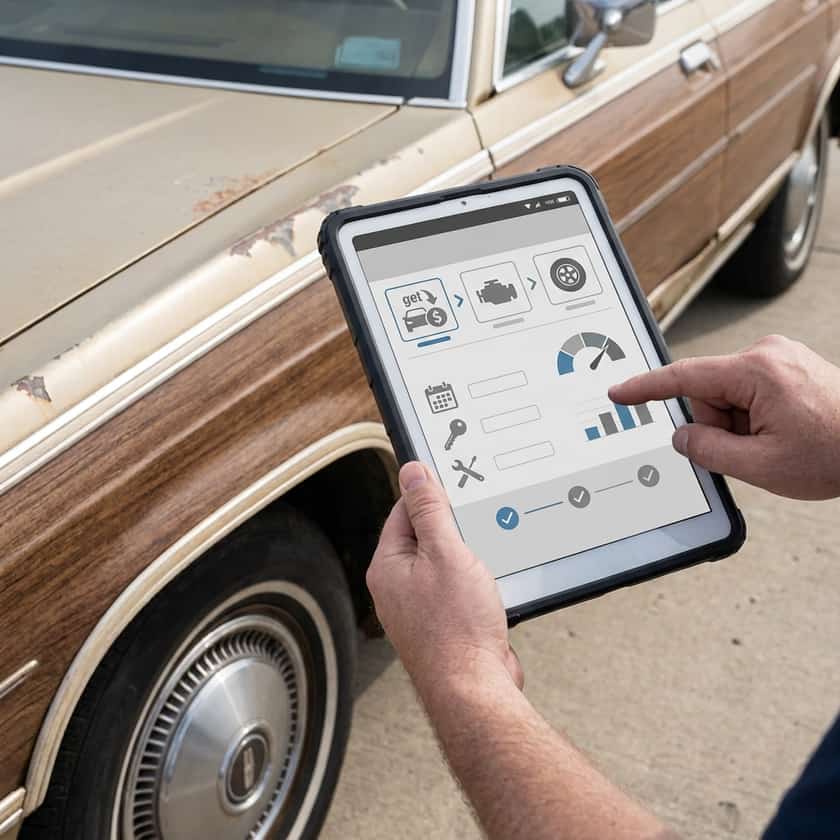
Understanding the Vintage Station Wagon Market
Vintage station wagons attract different buyers, from collectors seeking a particular era or configuration to drivers who value utility and design. Interest does not create a single market price. Location, season, model, originality, modifications, documentation, mechanical condition, corrosion, and the number of active buyers can all influence an offer. Quote-based buying services may provide a fast initial estimate, while private listings, consignments, dealers, and auctions use different processes and may produce different net results. Begin by documenting the vehicle accurately and deciding whether speed, convenience, control, or maximum exposure matters most.
Factors That Affect a Cash Estimate
A buyer normally needs the year, make, model, body style, VIN or other identification, mileage or odometer status, title information, location, and an honest condition description. Clear photographs should show every exterior side, interior, cargo area, engine compartment, wheels, glass, underside or rust-prone areas when safe, and any damage. Disclose whether the vehicle starts, runs, drives, stops, and can be transported safely. An initial online estimate is only as reliable as the submitted information and may change after document review or physical inspection. Rare equipment or provenance should be supported by records rather than assumptions.
Original components, period modifications, professional restoration work, and driver-quality repairs appeal to different buyers. A highly original vehicle may interest one buyer, while another may prefer modern brakes, cooling, or drivetrain updates. Neither approach automatically commands a premium. Service records, restoration invoices, date-stamped photographs, ownership history, and matching identification numbers can make the condition easier to assess. Avoid describing a vehicle as fully restored, numbers-matching, rust-free, or accident-free unless the available evidence supports that wording.
| Valuation Factor | Evidence to Provide | Questions to Expect |
|---|---|---|
| Identity and configuration | VIN or serial information, trim and equipment details | Does the documentation match the vehicle? |
| Body and corrosion | Wide and close photographs, repair records | Where are rust, filler, dents, or previous repairs visible? |
| Mechanical condition | Service invoices, start or driving video when safe | What operates, leaks, makes noise, or needs repair? |
| Originality or modifications | Parts records and photographs | Which components are original, replaced, or modified? |
| Ownership and location | Title status, lien information, pickup location | Can the seller lawfully transfer the vehicle? |
Comparing Sale Channels with Quote-Based Buyers
A private listing gives the seller control over presentation and negotiation but may require advertising, screening inquiries, arranging inspections, handling test drives, and coordinating payment and transport. Auctions and consignments can reach specialized audiences but may involve fees, schedules, reserves, and seller obligations. A quote-based buyer may reduce some of that work by using a standardized review and pickup process. The tradeoff can be a lower offer or less opportunity to wait for a niche buyer. Compare the amount the seller actually receives after fees, transport, lien payoff, taxes where applicable, and any required repairs or preparation.
What an Instant Offer Does and Does Not Mean
- Initial estimate: Confirm whether the number is preliminary, conditional, or a binding purchase offer.
- Inspection: Ask what information or physical review can change or cancel the amount.
- Fees: Identify service, auction, document, storage, cancellation, or transport charges.
- Pickup: Confirm who arranges transport, when risk transfers, and whether a non-running vehicle changes the terms.
- Payment: Verify the method, timing, issuing party, and when funds are considered final.
- Expiration: Note how long the offer remains open and whether market or condition changes allow revision.
Preparing the Wagon for an Accurate Review
Cleaning loose belongings and making the vehicle accessible can improve photographs and inspection, but major cosmetic or mechanical spending does not automatically increase the net offer. First ask the buyer what information is required. Photograph flaws as carefully as attractive features, and do not conceal warning lights, leaks, corrosion, damaged glass, missing parts, or starting problems. Gather keys and records, record the odometer exactly as displayed, and avoid driving a vehicle that may be unsafe. If considering a repair before sale, compare the written estimate with the likely change in sale proceeds and recognize that the buyer may value the work differently.
Documentation and Transfer Checklist
- Confirm the title status and whether the seller name or documented legal authority supports the transfer.
- Identify any lien and obtain the lienholder process or payoff instructions before agreeing to a closing method.
- Record the VIN or other identification exactly and verify that documents and vehicle markings agree.
- Collect service, restoration, parts, appraisal, and ownership records without overstating what they prove.
- Ask which bill of sale, odometer, tax, release, or motor-vehicle forms are required in the relevant state.
- Keep copies of the offer, disclosures, signed documents, transport receipt, and payment record.
Compare, Verify, and Complete the Sale Carefully
Requesting an instant cash estimate can be a useful first step, but it does not establish the final price, transport cost, or payment timing. Obtain more than one comparison when practical and make sure each buyer is evaluating the same disclosed condition. Verify the business, contact information, physical or licensing details where applicable, complaint history, and the identity of any transport or payment partner. Read the offer and purchase agreement before releasing the vehicle or title. Do not rely on a screenshot of payment, overpayment arrangement, or request to send money to a third party. Complete the title and bill of sale according to state instructions, remove personal property and account data, and keep records after the transfer.
Comparing the Net Proceeds
Put each sale option into a simple worksheet. Start with the written purchase amount, then subtract seller fees, advertising, transport, storage, inspection, consignment, auction, lien payoff, and any preparation the seller chooses to authorize. Record when payment becomes final, when the vehicle must be released, and who bears risk during loading and transport. A higher headline amount can produce lower proceeds after costs, while a convenient offer may trade price for speed. Use only costs stated in the agreement or supported by a quote, keep unknown items marked as unknown, and compare offers before their expiration dates.