
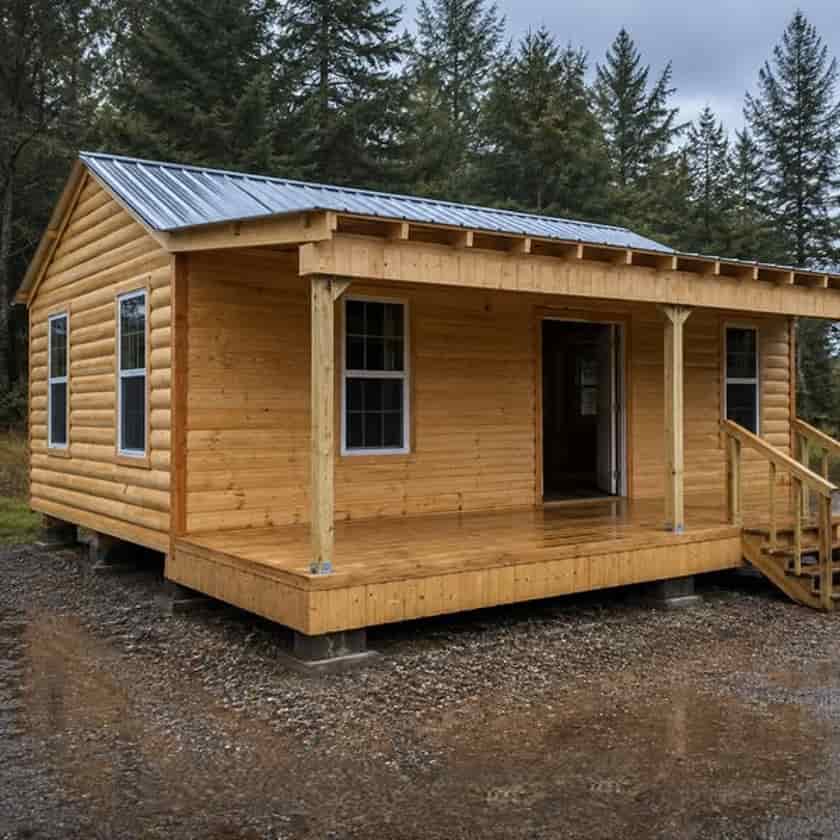
As housing markets evolve, many people are looking for alternative, budget-friendly ways to secure a home. Low Cost Prefabricated Houses have emerged as an excellent solution, offering flexibility, modern design, and rapid construction. By building major components off-site in a controlled factory environment, manufacturers can minimize waste and lower overall labor costs.
Whether you are looking to downsize, build a backyard guest suite, or find an accessible home for retirement, understanding the benefits and financial aspects of these properties is the first step toward your new home.
What Are Small Prefab Houses?
Small Prefab Houses are compact dwellings constructed in sections inside a factory and then transported to their final destination for assembly. Because they are built indoors, these structures are protected from weather delays during the initial phases of construction.
These homes are particularly popular among seniors and minimalists due to their optimized space and ease of maintenance. They can be customized with safety features, single-story layouts, and energy-efficient appliances, making them a practical choice for long-term comfort.
Key Benefits of Low Cost Prefabricated Houses
Opting for a prefabricated living space offers several distinct advantages over traditional stick-built construction:
- Affordability: Because manufacturing processes are streamlined, the overall cost of materials and labor is often significantly lower than traditional builds.
- Speed of Assembly: Once the pieces arrive at the site, putting the house together takes days or weeks rather than months.
- Eco-Friendly Options: Many manufacturers use sustainable materials and offer green upgrades like solar panels, rainwater harvesting setups, and advanced insulation.
- Low Maintenance: Built with modern, durable materials, these homes generally require fewer repairs over time, saving homeowners money in the long run.
How Much Does a Prefab House Cost?
When planning your budget, a primary question is: How Much Does a Prefab House Cost? While the base price of the structure itself is often highly affordable, several variables influence the final price tag:
| Cost Component | Description |
|---|---|
| Base Unit Price | The cost of the prefabricated structure, walls, and basic fixtures from the manufacturer. |
| Land Purchase | The price to acquire the plot of land where the home will be permanently situated. |
| Site Preparation | Expenses related to clearing trees, grading soil, and pouring the foundation. |
| Permits & Fees | Local zoning permits, utility connection fees, and safety inspection costs. |
| Customization & Upgrades | Optional additions like premium finishes, accessibility ramps, or eco-friendly systems. |
Because of these variables, it is always recommended to consult with manufacturers and local contractors to get a comprehensive estimate that includes both delivery and site preparation.
Choosing the Right Prefab Home for Your Needs
To find the perfect fit, research various manufacturers to compare their floor plans, structural materials, and delivery options. Reading reviews from existing homeowners can offer valuable insights into the reliability of the builder.
Additionally, check your local zoning laws before purchasing. Certain municipalities have specific regulations regarding minimum square footage, foundation types, and where utility lines can be connected. Understanding these rules early ensures a smooth transition to your new prefabricated home.