
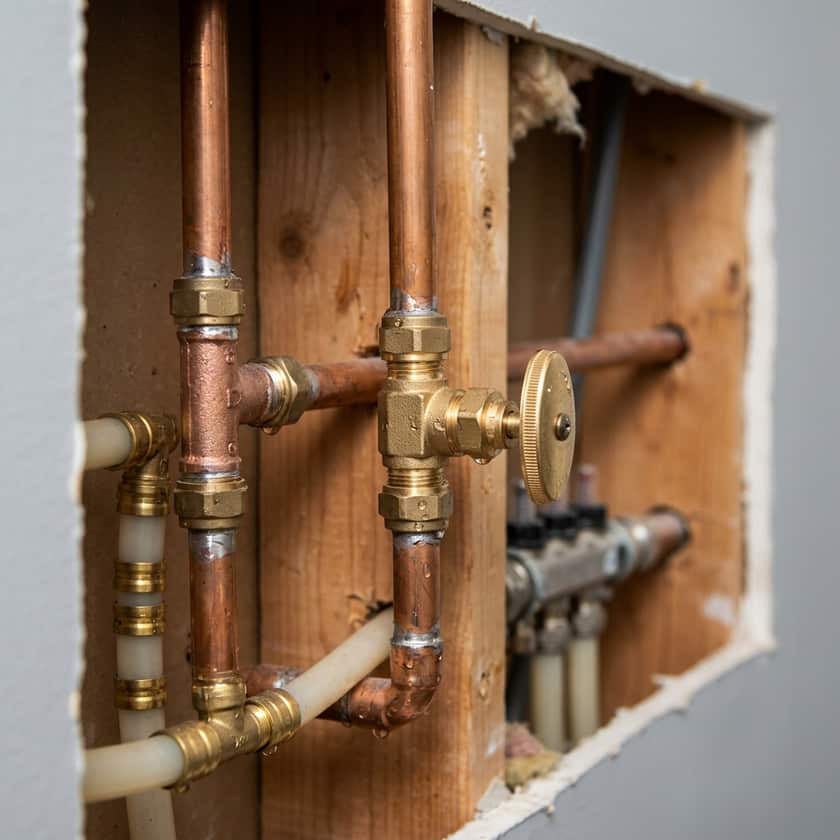
The Crucial Role of Residential Plumbing Systems
A home's plumbing system includes supply piping, drains, vents, valves, fixtures, and water-using appliances. Because much of it is concealed, the same visible symptom can have several causes. A slow drain may be local or farther down the line; low pressure may involve a fixture, valve, supply pipe, or utility issue. Effective service begins with describing when the problem started, where it appears, and whether it is changing. Homeowners should also know the location of the main water shutoff. Active flooding, sewage backup, suspected gas involvement, or water near electrical equipment calls for immediate safety precautions and qualified assistance.
Common Residential Plumbing Repair Challenges
Dripping faucets, running toilets, slow drains, leaks, and inconsistent water temperature are common service requests, but they do not all indicate a systemwide failure. Start with observable facts: affected fixtures, frequency, visible moisture, sounds, odors, recent work, and changes in the water bill. Avoid opening walls or using aggressive drain chemicals without understanding the risk to piping and people. If water is actively escaping, shut off the appropriate valve when it is safe to do so and protect the area. A plumber can then diagnose the cause, explain repair alternatives, and identify whether other trades or permits are needed.
Signs You Need Professional Repair Services
- A sudden or unexplained pressure change affecting several fixtures.
- Water stains, damp materials, visible mold, or recurring moisture near pipes or fixtures.
- Sewage odors, repeated backups, or gurgling across multiple drains.
- A water heater that leaks, shuts down, or produces unusual sounds or temperature changes.
- Discolored water that persists after utility work or occurs at several taps.
- An active leak that cannot be isolated safely with a fixture or main shutoff valve.
Upgrades and Installations: Enhancing Home Efficiency
Installation projects may include fixtures, shutoff valves, supply lines, drains, water heaters, filtration equipment, or replacement of deteriorated piping. Material choice should follow local code, water chemistry, temperature, pressure, location, and the manufacturer's instructions. Copper, PEX, CPVC, and other approved materials have different connection methods, support requirements, limitations, and costs. Replacing one section of pipe does not establish that every pressure, color, or leak concern will disappear. Ask the contractor to define the affected area, transition fittings, access and wall repair, testing, permits, warranties, and exclusions in writing.
Comparing Water Heater Technologies
| Water-Heating Option | Space and Installation | Operating Considerations | Questions for the Proposal |
|---|---|---|---|
| Storage tank | Requires space for a tank and safe drainage provisions | Standby losses, fuel or electric rate, recovery capacity | Tank size, venting or circuit needs, drain pan, warranty |
| Tankless or on-demand | Compact unit but may require service, venting, gas, or electrical upgrades | Flow rate, temperature rise, maintenance, simultaneous demand | Sizing calculation, utility capacity, descaling access |
| Heat-pump water heater | Needs suitable air volume, drainage, and electrical supply | Climate, installation location, sound, condensate, operating modes | Room requirements, backup elements, incentives, service access |
| Solar-assisted system | Requires a suitable site plus storage and backup planning | Solar availability, freeze protection, controls, maintenance | Roof or ground work, backup source, installer experience |
The Importance of Regular Water Quality Solutions
Taste, odor, staining, scale, and laboratory test results can lead homeowners to investigate water treatment, but no single device addresses every concern. Municipal and private-well users may have different testing and maintenance responsibilities. Begin with an appropriate water test and identify the contaminant or characteristic to be addressed before selecting filtration, softening, disinfection, or conditioning equipment. Ask how the system changes water chemistry, what maintenance and replacement media are required, where discharge goes, and whether treatment can affect plumbing materials or appliances. Health-related questions should be referred to the relevant water authority or qualified professional.
Preventative Maintenance Strategies for Homeowners
Routine observation can help catch changes early. Periodically look beneath sinks and around toilets, appliances, exposed valves, and the water heater for moisture or corrosion. Keep drains clear with strainers and avoid flushing materials the system is not designed to handle. Follow manufacturer instructions for appliance hoses, water-heater maintenance, and freeze protection. Exercise accessible shutoff valves only when appropriate and replace damaged or inoperable valves through qualified service. Record previous repairs, materials, and shutoff locations. Maintenance reduces some risks but cannot prevent every leak or component failure.
The Professional Advantage
Licensing, permit, inspection, and insurance requirements vary by state and locality. Before hiring, confirm the contractor's current credentials through the responsible authority, ask who will obtain permits, and request an itemized written scope. A useful estimate distinguishes diagnosis, labor, materials, fixtures, access work, disposal, restoration, testing, and possible change-order conditions. For larger work, compare proposals using the same requested scope and ask how hidden damage will be handled. Emergency availability, workmanship coverage, manufacturer warranties, and responsibility for follow-up should also be documented.
Investing in Long-Term Peace of Mind
Residential plumbing work is easier to evaluate when symptoms, scope, materials, and responsibilities are written down. Promptly addressing active leaks or sanitation concerns can limit additional damage, while planned installation work benefits from careful sizing and code review. No repair can promise that an unrelated future problem will not occur, so retain invoices, photographs, permits, inspection records, and product information. These records make later maintenance and warranty questions easier to resolve and give future contractors a clearer picture of the system. Before closing a service call, review what was tested, what remains unverified, and which observations should trigger follow-up. Confirm valve positions, safe operating instructions, product registration if relevant, and the location of any new access panels. If walls or finishes were opened, document who is responsible for drying, restoration, and checking concealed materials. For recurring problems, ask whether further diagnostic work is included or will require a separate authorization.