
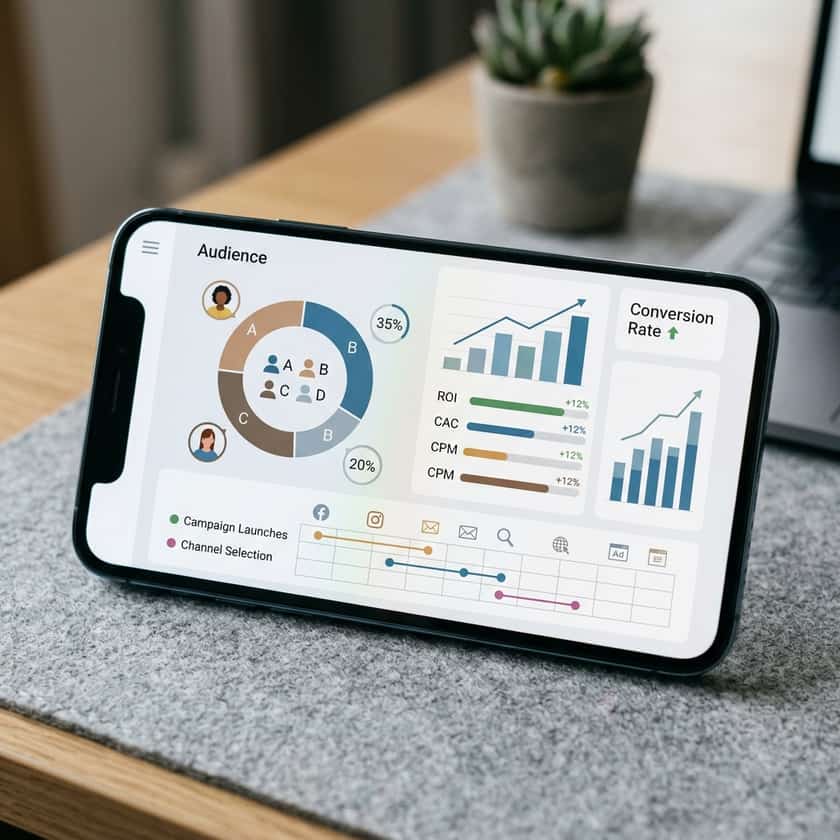
Effective product promotion is the heartbeat of any business aiming to scale. It is not merely about pushing a product into the market; it is about crafting a compelling narrative that resonates with the right audience at the right time. Whether you are launching a new item or looking to revitalize sales for an existing line, understanding the interplay between your promotional budget, target demographics, and the channels you select is paramount. In today's digital-first environment, businesses must balance agility with analytical rigor to ensure that every dollar spent contributes meaningfully to the bottom line, rather than simply disappearing into the noise of crowded marketplaces.
Setting a realistic budget is the first hurdle. Many marketers grapple with the question of how much to allocate for initial campaigns. Some might start with modest testing budgets, perhaps around $50, to experiment with messaging and platform responsiveness. Others may scale quickly to $600 or even $3,000 when the data indicates a clear path to profitability. The key is to start small, validate your assumptions, and only scale your spending once you have proof of concept. Jumping into high-spend campaigns without first establishing a baseline for your customer acquisition cost can lead to rapid financial depletion, so treat your early promotional efforts as an investment in learning rather than guaranteed revenue.
Decoding Key Performance Metrics
Data is the compass of product promotion. Without tracking specific performance indicators, you are flying blind. Critical metrics include your Cost Per Mille (CPM), which measures the cost per thousand impressions, and your Conversion Rate. For example, seeing a consistent conversion rate—perhaps hovering around 3.2%—provides a tangible benchmark to evaluate the efficacy of your creative assets and landing pages. If your conversion rates are stagnating, it is often a signal that your offer, your ad copy, or your website user experience needs refinement. Do not just look at vanity metrics like 'likes' or 'shares'; focus intensely on actionable data that correlates directly to sales or leads, as these are the inputs that truly sustain business growth over time.
Strategic Channel Selection
Choosing the right marketing channels is as vital as the product itself. The modern marketer must decide where their audience spends the most time and which platforms offer the best alignment with their brand identity. Social media platforms offer rapid visibility and engagement, while search engine marketing captures high-intent buyers already searching for solutions. It is often advantageous to adopt a hybrid approach. For instance, using social media for top-of-funnel awareness and search marketing for bottom-of-funnel conversion can create a synergistic effect. The goal is to create a seamless customer journey where the messaging remains consistent regardless of the platform, building trust and familiarity as the customer moves closer to a purchase decision.
Operational Benchmarks
| Metric Category | Median CPM | Median Conversion Rate |
|---|---|---|
| Max Performance Campaigns | $8.46 | 1.95% |
| Search Intent Campaigns | $55.37 | 2.58% |
| Adjusted Display/Social | $15.52 | 1.95% |
| High-Value Search | $210.23 | 2.58% |
Best Practices for Campaign Optimization
- A/B Test Creative Assets: Always run multiple versions of ad copy and visuals to identify which resonate most effectively with your target audience.
- Monitor Bounce Rates: If visitors are leaving your landing page immediately, investigate loading times and the clarity of your call-to-action.
- Refine Audience Segmentation: Rather than casting a wide net, use precise targeting parameters to reach users who have shown genuine interest in similar products.
- Leverage Automation Tools: Utilize scheduling and bidding automation to maintain campaign efficiency while you focus on high-level strategy.
- Analyze Competitor Activity: Observe how your competitors promote their products to find gaps in the market that your brand can fill.
- Ensure Mobile Optimization: Verify that your promotional landing pages load quickly and look professional on mobile devices, where most modern traffic originates.
Ultimately, successful product promotion is an iterative process. It requires the patience to gather data, the wisdom to interpret it correctly, and the courage to pivot when strategies are not yielding the expected results. Remember that even the most successful brands encounter periods of lower performance. The distinction between those who succeed and those who struggle often comes down to their ability to respond to these fluctuations analytically. By maintaining a clear focus on your metrics, managing your budget prudently, and consistently refining your approach based on real-world feedback, you can build a resilient promotion strategy that supports your business for years to come.