
The Digital Transformation of US Healthcare Facilities
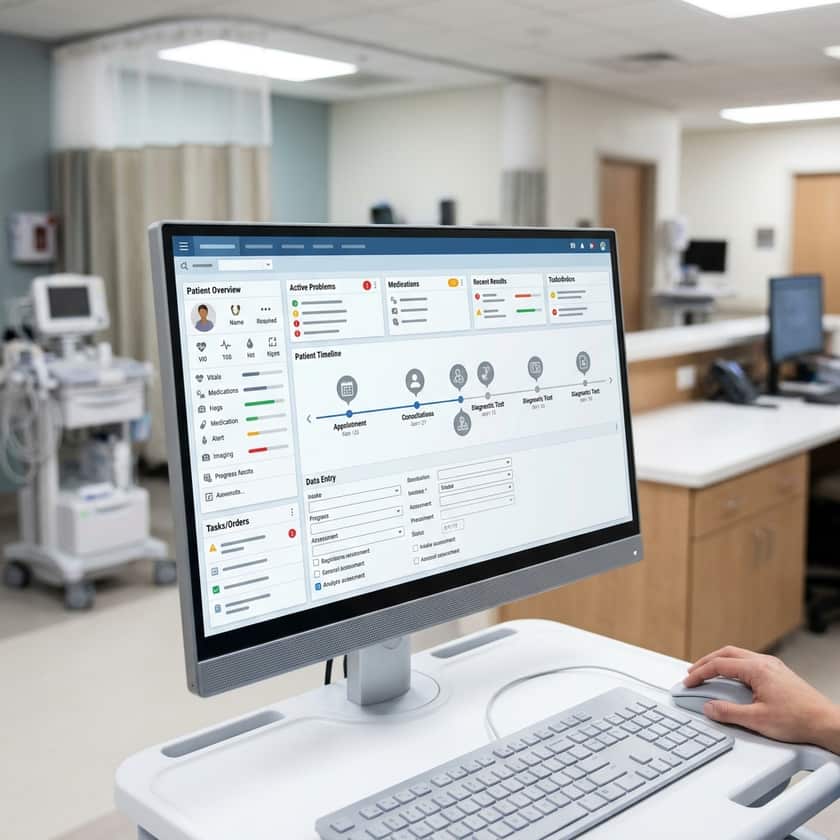
In response to escalating healthcare demands and the growing necessity of robust administrative support, United States healthcare facilities are rapidly adopting next-generation technological solutions. In 2026, modern clinical environments are increasingly transitioning away from legacy infrastructure in favor of integrated, cloud-native platforms. These systems aim to reduce administrative burdens, eliminate paperwork bottlenecks, and ensure that healthcare professionals can devote more of their daily hours to direct patient care. By adopting advanced Electronic Health Record (EHR) and practice management systems, hospitals, outpatient centers, and private clinics alike are realizing significant gains in operational throughput, diagnostic accuracy, and patient satisfaction, establishing a new baseline for the standard of clinical care across the industry.
Essential Capabilities of Modern Medical Software
To meet the rigorous operational demands of contemporary clinical environments, medical software platforms must offer far more than basic record-keeping capabilities. Today's systems seamlessly integrate advanced scheduling algorithms, automated billing modules, and real-time clinical decision support directly into the core user interface. This consolidation prevents the fragmentation of patient data across multiple disconnected applications, which historically led to medical errors, scheduling delays, and billing discrepancies. Furthermore, the inclusion of robust patient-facing portals allows individuals to access their medical histories, message their care teams securely, and schedule appointments independently. This direct access significantly decreases the day-to-day burden on administrative staff, reduces appointment no-show rates, and fosters a collaborative relationship between patients and providers.
- Real-time EHR syncing across multi-specialty practices to prevent clinical data silos.
- Automated medical coding and billing engines that minimize human error and claim denials.
- Integrated telehealth modules designed for secure, high-definition virtual visits and remote patient monitoring.
- Advanced clinical decision support systems that flag potential drug interactions and suggest evidence-based guidelines.
- Self-service patient portals for direct appointment scheduling, bill payment, and digital intake forms.
- Comprehensive analytics dashboards tracking key clinical outcomes, patient demographics, and practice revenue trends.
Optimizing Administrative and Clinical Workflows
Workflow optimization lies at the heart of modern medical software implementation. Legacy systems often require clinicians to spend hours manually entering data, contributing heavily to industry-wide physician burnout and job dissatisfaction. Advanced platforms alleviate this administrative pressure by incorporating natural language processing for voice-to-text dictation and intelligent templates that adapt to a clinician’s specific specialty and charting preferences. By streamlining patient intake, charting, and discharge processes, clinics can handle higher patient volumes without compromising the quality of care, overloading their clinical staff, or sacrificing thorough documentation. As a result, medical practices can allocate their valuable human resources toward empathetic patient interaction rather than repetitive, exhausting manual data entry.
| Workflow Area | Legacy Practice Methods | 2026 Software Solutions |
|---|---|---|
| Patient Intake | Paper forms filled manually and transcribed by staff | Pre-visit digital intake via self-service portals |
| Clinical Charting | Manual keyboard typing with rigid templates | Voice-to-text dictation with specialty-specific layouts |
| Medical Billing | Manual coding with high rates of claim rejection | Automated coding engines checking rules in real time |
| Patient Follow-up | Staff making manual phone calls for reminders | Automated text and email notifications and reminders |
Strengthening Security and HIPAA Compliance
As healthcare delivery becomes more digitized, the threat of sophisticated cyberattacks and data breaches grows exponentially. Medical software in 2026 must adhere to stringent federal regulations, including the Health Insurance Portability and Accountability Act (HIPAA), to protect sensitive clinical data. Modern platforms implement end-to-end encryption for both data-at-rest and data-in-transit, robust multi-factor authentication, and detailed audit logs that track every instance of patient record access. These security protocols protect sensitive patient health information from unauthorized access while ensuring that facilities remain compliant with evolving legal frameworks, thereby avoiding devastating financial penalties, legal liabilities, and reputational damage.
Interoperability and Ecosystem Integration
Modern healthcare does not operate in a vacuum, making software interoperability a key requirement for modern clinics looking to deliver comprehensive care. A highly functional software suite must communicate effortlessly with pharmacies, external laboratories, insurance providers, and other healthcare networks. By utilizing standardized communication protocols like FHIR, platforms can transmit clinical data securely and instantaneously. This rapid exchange ensures that care transitions are smooth, diagnostic test results are received without delay, and prescription orders are filled accurately, ultimately fostering a collaborative and highly efficient healthcare ecosystem that benefits patients and medical professionals alike.
Key Factors to Consider When Evaluating Software Vendors
Choosing the right medical software vendor requires careful evaluation of several critical factors beyond surface-level features. Beyond the upfront software licensing and implementation costs, facility decision-makers must assess the vendor’s history of system uptime, customer support availability, and training programs for clinical and administrative staff. A seamless transition depends heavily on high-quality onboarding resources that minimize clinical downtime and disruption. Additionally, software scalability is vital; the selected platform must be capable of growing alongside the practice, supporting new clinical branches, additional healthcare providers, and evolving patient services over the long term.
Ultimately, investing in state-of-the-art medical software is not just an operational upgrade, but a strategic imperative for United States healthcare facilities aiming to thrive in 2026. By prioritizing comprehensive integration, intuitive clinical workflows, and rigorous data security, medical practices can simultaneously elevate the patient experience and optimize their financial performance. As technology continues to evolve, staying ahead of these trends ensures that clinics remain competitive, efficient, and, most importantly, focused on delivering exceptional, timely patient care. Selecting a modern software suite ensures that your facility is well-equipped to handle the future of medicine.