
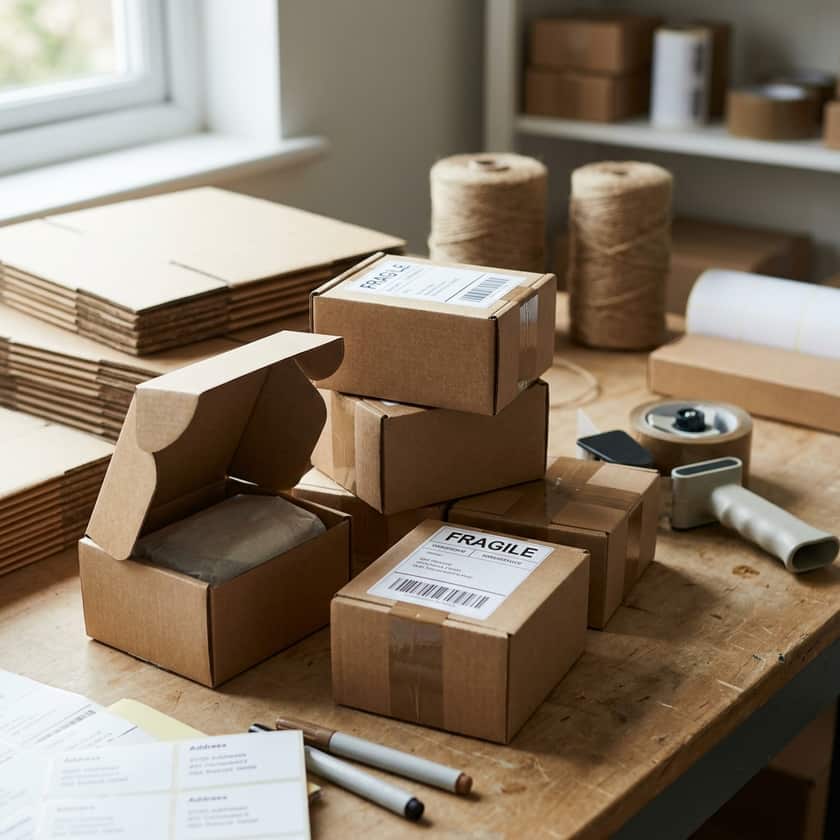
The Allure of Home-Based Packaging Work
The concept of working from home to assemble products, label items, or package goods is incredibly appealing. It promises flexibility, minimal skill requirements, and the comfort of working in your own environment. Advertisements often depict these roles as easy ways to earn significant side income with little more than a kitchen table and some spare time. However, it is vital to approach these offers with a critical eye. In the United States job market, legitimate work-from-home opportunities in manual labor are distinct from the highly publicized "assembly" schemes often found on classified advertisement boards or social media platforms.
Understanding the 'Assembly' Scam Model
Unfortunately, the vast majority of advertisements for "packaging and labeling" work from home are fraudulent. Scammers often leverage the desire for flexible work by promising high earnings for simple tasks like putting stickers on products or assembling small craft kits. The hallmark of these schemes is the request for an upfront fee. They may claim that you need to purchase a "starter kit," pay for specialized equipment, or cover shipping costs for materials. Once this money is paid, the job often fails to materialize, or the "work" provided is virtually impossible to complete to their impossible quality standards, ensuring you never receive payment.
Red Flags to Watch For
- Upfront fees: A legitimate company will never ask you to pay to work for them.
- Guaranteed income: Claims of earning specific amounts like '$500 a week' without a performance review are nearly always false.
- Vague contact info: Lack of a physical address or verifiable company website is a major warning sign.
- Pressure to act: High-pressure tactics designed to make you pay quickly before asking questions are a common manipulation technique.
- Unrealistic requirements: Promises of easy money for tasks that require virtually no training or skill.
Legitimate Packaging and Logistics Roles
While manual, home-based assembly jobs are exceedingly rare, the packaging and logistics industry is a massive, legitimate sector. Real work in this field involves professional co-packers and supply chain companies. These organizations require precision, efficiency, and compliance with quality control standards (often denoted by certifications like ISO 9001). However, these roles almost exclusively take place in controlled warehouse environments rather than private homes. Why? Because businesses require environmental control, secure inventory management, and specialized equipment to ensure that products are packaged according to strict regulatory and brand guidelines. If a job involves professional packaging, it almost certainly requires you to be on-site.
Comparison of Roles: Potential vs. Reality
| Aspect | Typical Scam Promise | Professional Reality |
|---|---|---|
| Upfront Costs | Required for 'Startup Kit' | Zero; employer provides gear |
| Work Environment | Your Kitchen Table | Managed Warehouse/Factory |
| Quality Standards | Non-existent or Vague | Strict Quality Assurance |
| Payment | Per Piece (often denied) | Hourly Wage or Salary |
How to Find Legitimate Remote Work
If you are genuinely looking for flexible, remote work, focus your search on industries that naturally support remote operations. Customer support, data entry, virtual assistance, and digital marketing are fields where working from home is the industry standard. Use reputable job boards like LinkedIn, Indeed, or professional networking sites. Always research the company independently: check if they have a professional LinkedIn presence, a functioning website with an "About Us" section, and reviews on sites like Glassdoor. If you cannot find substantial evidence of their business operations, assume it is not a safe opportunity and move on.