
Evaluating Modern Dental Implant Solutions for Seniors
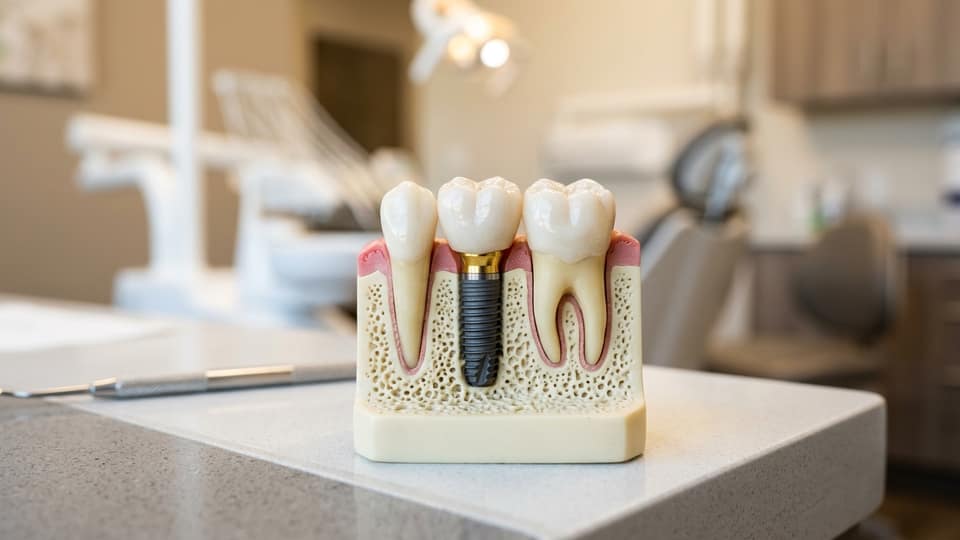
Selecting the right dental restoration path as a senior requires understanding the unique benefits and drawbacks of each modern option. Single tooth implants remain the golden standard for individuals dealing with isolated gaps in their jawline. These custom-crafted restorations look, feel, and function exactly like natural teeth, blending seamlessly into your existing smile. Because they integrate directly with the underlying jawbone, they help preserve bone density and prevent neighboring teeth from shifting out of alignment. However, replacing multiple individual teeth this way can quickly become financially prohibitive. For seniors needing to replace an entire arch of teeth without the extreme cost, implant-supported dentures offer an excellent compromise. This option provides reliable, slip-free stability by anchoring a removable denture plate to several strategically placed implant posts, though it does require periodic maintenance of the physical attachments over time.
For individuals seeking a permanent, non-removable solution that mimics the strength of natural teeth, the All-on-4 or All-on-6 system is the premier choice. This advanced surgical technique uses four or six specialized dental implants to support a complete, fixed arch of prosthetic teeth. Patients choose this route to instantly restore their full chewing power and eliminate the dietary restrictions associated with traditional dentures. Because these prosthetics are permanently screwed into the implants, they do not slip, click, or require messy adhesives. Despite these massive benefits, seniors must carefully weigh the high initial financial investment against their long-term health goals. The procedure represents major oral surgery, requiring a robust recovery period and excellent overall health to ensure the implants successfully fuse with the jawbone over several months.
Demystifying the Real Costs of Dental Restorations
Navigating the financial landscape of dental restorations requires a clear breakdown of the typical cost tiers. A single implant usually ranges from $3,000 to $5,000, which includes the post, abutment, and final crown. When shifting toward full-arch solutions, implant-supported dentures represent a middle tier, generally costing between $6,000 and $15,000 depending on the materials used and the number of anchoring posts required. At the top of the spectrum, permanent full-mouth restorations like All-on-4 or All-on-6 systems require a substantial initial investment, typically ranging from $20,000 to $35,000 or more per arch. These baseline prices reflect the advanced technology and materials used, but seniors must remain mindful of the entire pricing ecosystem. Comparing these tiers helps families align their restorative expectations with their realistic long-term healthcare budgets.
Beyond the basic price of the implants themselves, patients must prepare for several essential supplementary expenses that contribute to the final bill. High-resolution CT scans are universally required during the initial planning phase to evaluate bone depth and map nerve pathways accurately. If the patient has remaining damaged or decaying teeth, therapeutic extractions will be necessary before any hardware is placed. Furthermore, seniors who have experienced bone loss due to prolonged tooth absence may require bone grafting surgeries to build a solid foundation for the implants. Finally, professional anesthesia fees, which vary depending on whether local numbing, conscious sedation, or general anesthesia is used, will add to the overall surgical cost. Understanding these extra fees beforehand prevents unexpected financial surprises during your treatment journey.
| Implant Type | Best Suited For | Estimated Cost | Key Advantage |
|---|---|---|---|
| Single Tooth | Isolated gaps between healthy teeth | $3,000 to $5,000 per tooth | Natural look and prevents shifting |
| Implant-Supported Dentures | Affordable full-arch stability | $6,000 to $15,000 per arch | Prevents denture slipping |
| All-on-4 / All-on-6 | Permanent full-mouth restoration | $20,000 to $35,000+ per arch | Restores chewing power instantly |
Unlocking Financial Assistance and Payment Flexibility
Fortunately, seniors have several viable avenues to help mitigate these steep out-of-pocket expenses and make treatment more accessible. While traditional Medicare does not typically cover routine dental work or restorative implants, many Medicare Advantage plans offer specialized dental riders that can significantly reduce the cost of consultations, extractions, or crowns. Additionally, dedicated dental discount plans allow members to access pre-negotiated lower rates directly through participating local provider networks for a low annual fee. For the remaining balance, third-party dental financing companies, such as CareCredit, provide specialized medical credit cards that offer interest-free or low-interest installment payment plans. By utilizing these structured financing solutions, older adults can comfortably break down high upfront restoration costs into manageable monthly payments over several years.
Maximizing these financial resources requires a proactive strategy and direct communication with both insurance representatives and clinical billing offices. Before scheduling any surgical procedures, seniors should request a comprehensive, written treatment plan detailing every code and anticipated cost. This document allows patients to consult with their Medicare Advantage providers to determine exactly which elements, such as initial extractions or diagnostic imaging, might qualify for coverage. Some patients successfully coordinate multiple payment methods, combining a dental discount plan for the primary surgery with a low-interest financing plan to handle the final prosthetic placement. Taking the time to coordinate these benefits systematically ensures that no available discounts or coverage opportunities are overlooked, ultimately protecting your retirement savings while addressing crucial oral health needs.
Selecting the Best Local Clinic for Long-Term Care
Selecting the right local clinic goes far beyond simply finding the lowest advertised price in your immediate area. Seniors should prioritize consulting with verified specialists, such as board-certified oral surgeons or experienced periodontists, who possess advanced surgical training beyond general dentistry. Leading clinics frequently offer complimentary initial consultations that include state-of-the-art 3D imaging, which is essential for diagnosing bone volume and creating an accurate, personalized treatment roadmap. During these preliminary visits, look for providers who maintain absolute transparency regarding their pricing policies and are willing to provide detailed, line-item estimates. A reliable clinic will openly discuss potential complications, alternative treatment pathways, and detailed recovery timelines without pressuring you into making an immediate decision.
Another critical factor to consider is the physical proximity of the dental clinic to your home, as the implant process is a multi-stage journey. Over several months, patients must attend frequent follow-up appointments to monitor bone healing, adjust temporary prosthetics, and ensure the soft tissue is recovering properly. Choosing a local provider minimizes travel stress and makes it much easier to schedule urgent visits if an attachment requires adjustment or minor discomfort arises. Long-term success also depends on routine professional cleanings and annual maintenance checkups, which are far more convenient to maintain when the office is close by. By establishing a relationship with a trusted local expert, you secure ongoing peace of mind and professional support for your restored smile.