
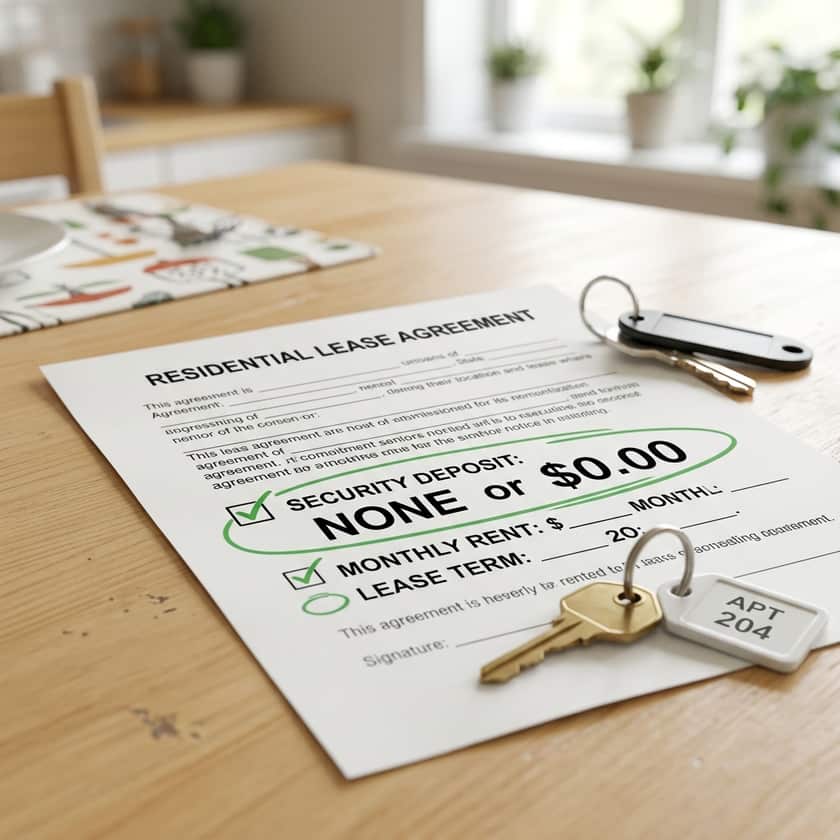
Finding affordable and accessible housing in retirement can be a daunting financial challenge, especially for older adults living on fixed incomes such as Social Security. One of the most significant upfront hurdles they encounter is the security deposit, which often equals one or two full months of rent. For seniors with limited savings or tight budgets, this initial cash requirement can prevent them from moving into safer, more accessible environments. No-deposit senior rental housing programs offer a critical lifeline by eliminating or significantly reducing these initial out-of-pocket costs, allowing low-income older adults to transition into stable homes without depleting their retirement savings. By removing these financial barriers, communities can help seniors maintain their independence and secure the safe shelter they deserve.
Understanding No-Deposit Senior Housing
No-deposit senior rental housing refers to residential units specifically reserved for older adults where the landlord or managing organization waives the traditional upfront security deposit. These arrangements are typically found in properties subsidized by state or federal government programs, managed by non-profit organizations, or integrated into local affordable housing developments. Instead of requiring cash upfront, these properties may use alternative security measures, landlord-funded lease insurance, or government-backed guarantees. The primary goal of these initiatives is to ensure that vulnerable seniors, particularly those facing sudden financial hardships, medical expenses, or transitioning from unstable living conditions, can access clean, safe, and age-appropriate shelter without unnecessary financial delays or administrative burdens.
Major Housing Assistance Programs
Several federal, state, and local initiatives are designed specifically to support low-income seniors in finding affordable housing with low or no upfront costs. These programs often cap monthly rent at a set percentage of the senior's household income, typically around thirty percent. Because these developments are heavily regulated and funded through public dollars, they frequently offer flexible deposit policies, installment plans for deposits, or complete waivers for qualifying low-income applicants. Understanding how these distinct programs operate and identifying which entities run them is the first step toward securing an affordable, deposit-free apartment that aligns with your financial reality and lifestyle needs.
- HUD Section 202 Supportive Housing: This federal program specifically funds housing for very low-income elderly households, offering supportive services like cleaning, cooking, and transportation to help seniors live independently.
- Low-Income Housing Tax Credit (LIHTC): Properties built using these federal tax credits must offer affordable rents to lower-income residents, often featuring significantly reduced or completely waived security deposits.
- Public Housing Agencies (PHAs): Local housing authorities manage federally funded public housing units and administer housing choice vouchers, which can drastically lower upfront moving expenses and ongoing monthly rent.
- Non-Profit and Religious Organizations: Many faith-based groups, charitable trusts, and community organizations operate independent senior living communities that waive security deposits for low-income residents based on financial need.
Steps to Locate Low-Barrier Senior Apartments
Finding a no-deposit senior apartment requires a proactive approach and a clear understanding of where to search. Because demand for affordable senior housing is exceptionally high across the country, waitlists are common, making early planning and research absolutely essential. Seniors and their family members should begin by contacting their local Area Agency on Aging (AAA), which is a federally mandated network that helps older adults navigate local community resources, including housing options. Additionally, online directories maintained by HUD or local housing authorities can help identify properties with relaxed deposit requirements. Contacting property managers directly to inquire about senior-specific deposit waiver policies, local charities that assist with moving costs, or community assistance programs is also highly recommended.
Regional Rental Outlook for Subsidized Senior Living
While subsidized senior housing programs generally tie rent directly to a tenant's income, the baseline costs of living, utility fees, and overall housing availability vary significantly depending on the geographical region of the United States. In high-cost coastal areas, even subsidized options can face extensive waitlists of up to several years, whereas midwestern and southern regions may offer faster placements and lower overall living expenses. Understanding these regional dynamics helps seniors and their families set realistic expectations for their housing search.
| U.S. Region | Typical Income-Based Rent | Average Waitlist Times | Availability Level |
|---|---|---|---|
| Northeast Region | 30% of adjusted income | 12 to 24 months | Limited regional availability |
| Midwest Region | 30% of adjusted income | 3 to 12 months | Moderate regional availability |
| Southern Region | 30% of adjusted income | 6 to 18 months | Moderate to high availability |
| Western Region | 30% of adjusted income | 18 to 36 months | Highly limited availability |
Key Requirements for Senior Rental Assistance
- Age Verification: Most senior-specific housing programs require at least one member of the household to be aged 62 or older, though some independent communities start at age 55.
- Income Limits: Applicants must demonstrate that their household income falls below a specific percentage of the Area Median Income (AMI), usually between 30% and 50%.
- Background and Credit Checks: While security deposits may be waived, properties still conduct standard background and credit screenings, though low-income programs often have more lenient criteria.
- Citizenship Status: Applicants must provide proof of legal residency, citizenship, or eligible non-citizen status to qualify for federal housing assistance programs.
- Documentation Preparation: Gathering tax returns, bank statements, identification cards, and Social Security benefit letters early can significantly speed up the approval process.
Additional Resources for Moving Assistance
Beyond finding a rental property with no security deposit, low-income seniors often face the daunting challenge of covering physical moving expenses. Fortunately, several local organizations and national charities offer supportive services to help transition older adults into their new homes. Groups such as the Salvation Army, local Saint Vincent de Paul chapters, and community action agencies frequently provide modest grants, volunteer labor, or donated furniture to assist qualifying seniors. Furthermore, some state Medicaid programs offer transition services that cover moving costs for seniors moving out of institutional care facilities and back into independent residential apartments. Exploring these options can alleviate the entire financial burden of relocation.
Ultimately, securing no-deposit senior housing is an invaluable way for older adults to preserve their hard-earned savings while obtaining a secure, accessible, and comfortable place to live. Although the process requires navigating complex bureaucratic systems and waiting out application queues, the long-term financial relief and peace of mind are well worth the effort. By leveraging local resources, preparing necessary documentation ahead of time, and exploring regional alternatives, low-income seniors can successfully navigate the rental market and find housing solutions that respect both their budget and their dignity.