
The Evolving Landscape of Waste Management in 2026
As we move further into 2026, the waste management sector is undergoing a significant transformation driven by technological advancements and heightened environmental awareness. For both homeowners tackling DIY renovation projects and business owners managing large-scale commercial facilities, understanding the current service landscape is crucial. Selecting the right partner involves more than just price comparison; it requires evaluating reliability, material handling capabilities, and the provider's commitment to sustainability initiatives. Modern waste disposal is no longer just about hauling trash away; it is about integrated solutions that emphasize recycling, diversion, and efficient material life-cycle management, ensuring that local communities stay clean and compliant with increasingly stringent environmental regulations.
Key Service Offerings for Modern Needs
Waste management companies in 2026 offer a wide spectrum of specialized services tailored to distinct market segments. For the residential sector, providers have refined their collection models. One notable development involves the use of specialized, durable containers for construction debris, such as heavy-duty bags often referred to by industry players as 'bagsters' or proprietary flexible containers. These solutions are perfect for smaller, independent building projects where a full-sized dumpster might be overkill. Providers are now integrating digital scheduling and real-time tracking, allowing customers to monitor pickup times and manage their accounts with unprecedented ease through mobile applications, ensuring that the process of removing debris is as seamless as the renovation project itself.
Evaluating Provider Reliability and Capacity
When vetting potential waste management partners, capacity and consistency stand out as the two most critical metrics. A truly top-tier company should demonstrate an expansive operational footprint, often managing over 3,300 specialized collection routes or localized service points to guarantee timely pickup, regardless of weather or demand spikes. Reliability in this industry is built on infrastructure; large companies have the fleet density to avoid service delays, while smaller, regional players might offer more personalized customer service. Businesses should prioritize providers that offer transparent billing structures and adaptable service agreements. Scalability is essential—your waste disposal needs during a construction phase will differ vastly from your standard operational needs, and your provider should be able to pivot with you.
Essential Factors Before Selecting a Partner
- Geographic Coverage: Ensure the provider operates within your specific municipality or county to avoid out-of-network fees.
- Material Constraints: Verify if the company handles hazardous waste, e-waste, or specific construction materials you plan to discard.
- Sustainability Goals: Check for certifications or programs related to recycling and landfill diversion targets.
- Technology Integration: Look for platforms that allow for paperless billing, service rescheduling, and automated reminders.
- Customer Support Accessibility: Determine if support is available via phone, live chat, or dedicated account management for commercial clients.
The Role of Sustainability and Circularity
By 2026, sustainability is the baseline expectation, not a competitive advantage. The best waste management companies are now shifting toward 'circular economy' models. This means focusing on recovering value from waste streams rather than just disposing of material. Many providers are actively investing in advanced sorting facilities that use AI and robotics to separate recyclables more effectively than traditional methods. For businesses looking to improve their corporate social responsibility profile, partnering with a waste manager that provides detailed data analytics on landfill diversion rates can be a major asset. These reports help organizations meet their own sustainability targets, providing concrete data points to share with stakeholders regarding the company's environmental impact reduction.
Comparing Residential and Commercial Models
| Feature | Residential Focus | Commercial Focus |
|---|---|---|
| Frequency | Weekly or Bi-weekly | Daily or On-Demand |
| Container Types | Standard Bins/Bagsters | Compactors/Dumpsters |
| Service Level | Standardized Service | Customized Contracts |
| Data Needs | Minimal | Sustainability/Diversion Reports |
| Volume | Low to Medium | High to Industrial |
Future-Proofing Your Waste Management Strategy
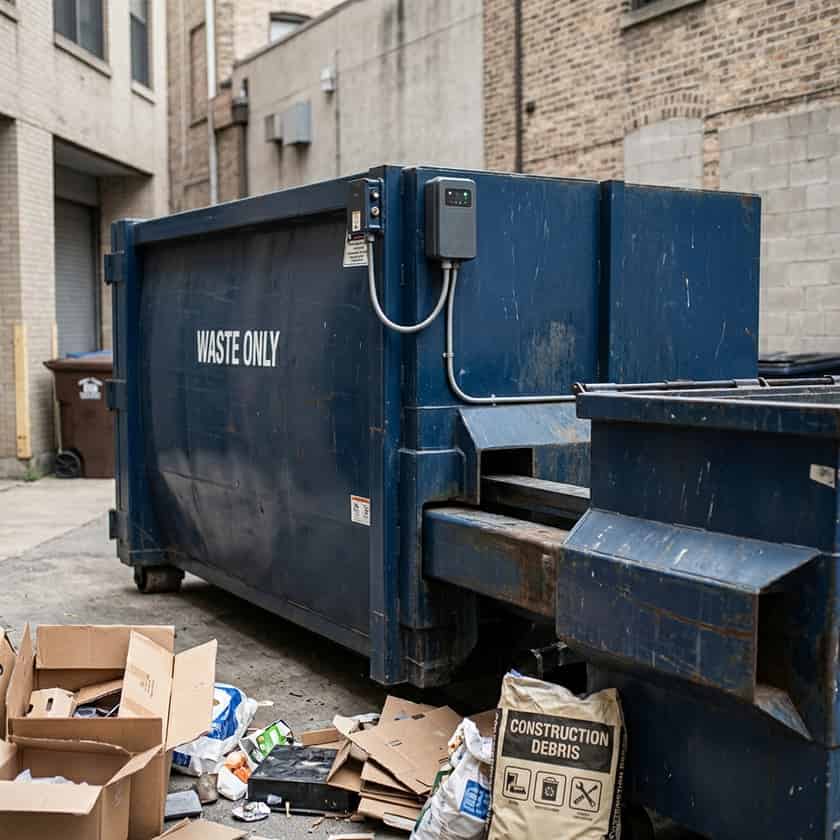
As urban areas continue to densify throughout 2026, the complexity of waste collection will likely increase. Smart waste management solutions are becoming vital. Providers are implementing IoT sensors in commercial dumpsters to monitor fill levels in real-time, which optimizes collection routes and reduces the carbon footprint associated with transport. For the individual homeowner or small business owner, future-proofing your strategy involves staying informed about local ordinances. Many municipalities are rolling out new organic waste composting programs. Checking if your waste management company supports these specific local initiatives is a wise move. An adaptable partner will not just pick up the trash; they will guide you through regulatory changes and ensure you are utilizing the most cost-effective, environmentally responsible solutions available.