
Understanding Neighborhood Book Exchanges
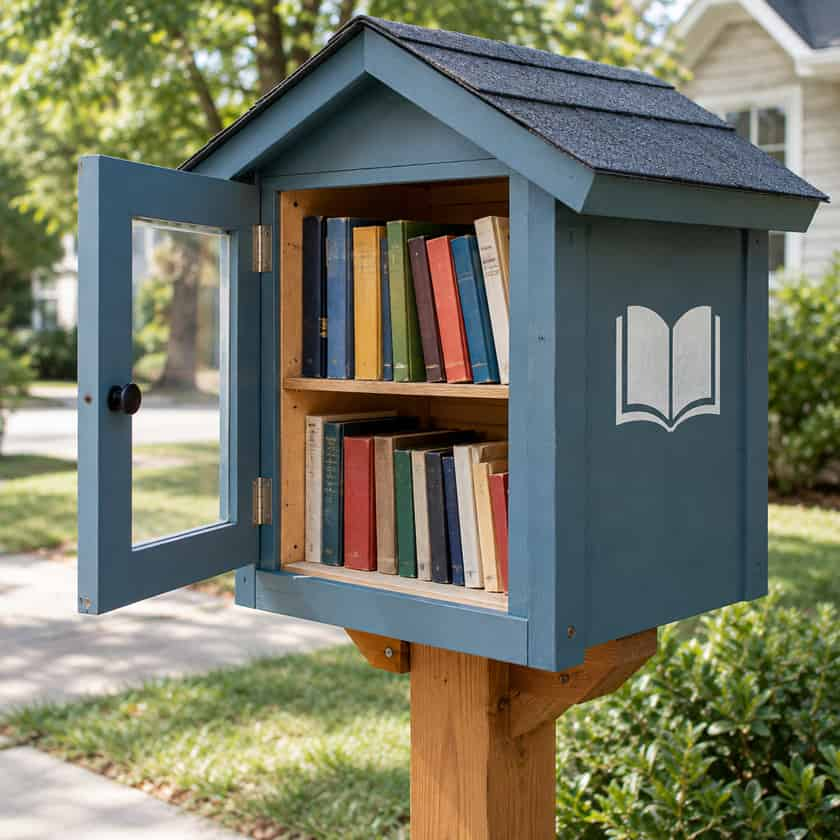
Planning a neighborhood book exchange is an effective way to promote literacy, encourage reuse, and create a shared gathering point for neighbors. At its core, a book exchange operates on a simple principle: take a book, leave a book. Users can borrow a volume that catches their eye and return it later, or donate books from their personal collections to keep the exchange active. While the premise is straightforward, building and sustaining an outdoor or indoor book swap requires structured planning, sound logistics, and dependable ongoing care.
A successful project balances functional design with community respect. Placing a collection box where neighbors naturally walk increases foot traffic and circulation, but improper placement can lead to neighbor disputes, code violations, or accessibility problems. Approaching the installation with clear expectations, durable materials, and a commitment to maintenance ensures the exchange remains an asset for years to come.
Site Selection and Environmental Considerations
Choosing the right location is the single most critical decision in the early stages of planning. The installation point determines how frequently people visit the box and how well the structure withstands environmental exposure.
Foot Traffic and Visibility
An exchange thrives when positioned along well-traveled pedestrian routes. Sidewalks, cul-de-sac entrances, community gardens, and common green spaces are common locations. The structure should be visible from multiple angles without obstructing the public right-of-way. Ensure that people stopping to inspect books do not block pedestrian flow or create safety hazards near driveways and intersections.
Accessibility and Physical Approach
Accessibility must be integrated into the site selection. The approach path should be level, firm, and clear of tripping hazards such as exposed tree roots, loose gravel, or steep inclines. The box door must be operable from standing and seated heights, typically placing the main shelf between 36 and 48 inches above the ground. This accommodates children, adults, and individuals using mobility devices.
Microclimate and Weather Exposure
Weather conditions accelerate wear on wooden and metal structures. Positioning the box beneath an awning, porch, or mature tree canopy provides partial shade, which reduces sun bleaching on book spines and lowers interior heat buildup. However, avoid placing the structure directly beneath heavy branches prone to falling during storms or directly in the path of automated lawn sprinklers, which can cause moisture intrusion.
Legalities, Permits, and Property Boundaries
Before digging or installing any permanent fixture, verify legal boundaries and jurisdictional guidelines. Failing to secure necessary approvals can result in fines or forced removal.
Municipal Codes and Easements
Most municipalities maintain specific rules regarding structures placed in the public right-of-way, which often extends several feet beyond the curb or sidewalk edge. Installing a book box within this municipal easement may require a minor encroachment permit or right-of-way agreement. Contact your local city planning, public works, or zoning office to learn the setbacks required for your residential zone.
Homeowners Associations and Rental Properties
If your property is governed by a Homeowners Association (HOA) or condominium board, review the architectural guidelines. HOAs frequently regulate exterior paint colors, post heights, architectural styles, and overall dimensions. Presenting a formal plan—including design sketches, dimensions, and maintenance commitments—streamlines the review process. If you rent your residence, written permission from the property owner is mandatory before altering landscaping or anchoring posts.
Utility Location Services
Digging post holes without knowing what lies beneath the surface is dangerous. In the United States, calling 811 several business days before excavation prompts utility companies to mark buried gas, electric, telecommunications, and water lines at no charge. Never dig until all utilities have verified the area.
Structural Design and Weather Resistance
A neighborhood book box must withstand rain, snow, humidity, and temperature swings while keeping printed paper completely dry.
Material Selection
Exterior-grade materials are vital for structural longevity:
- Exterior Plywood and Marine-Grade Plywood: Offers strength and stability against warping, provided edges are thoroughly sealed.
- Naturally Rot-Resistant Woods: Cedar, redwood, and cypress contain natural oils that resist insect infestation and fungal rot without chemical treatment.
- Cellular PVC and Composites: These modern synthetic materials are impervious to moisture, will not rot, and hold exterior paint well.
- Glazing: Clear acrylic (Plexiglas) or polycarbonate is strongly preferred over standard window glass. Polycarbonate provides impact resistance, preventing shattering from accidental bumps or neighborhood ball games.
Weatherproofing Details
Moisture control requires thoughtful construction details:
- Sloped Roof and Overhangs: A roof pitched at a minimum 15-degree angle ensures rainwater runs off immediately. An overhang extending at least two to three inches beyond the front and sides keeps rain from running directly down the door seam.
- Drip Edges: A small groove cut along the underside of roof overhangs prevents water from creeping backward toward the main cabinet.
- Door Seals and Hinges: Use continuous piano hinges made of stainless steel or brass for even weight distribution. Line the door frame with marine-grade foam or silicone weatherstripping to block wind-driven rain.
- Magnetic Catches: A firm magnetic latch or mechanical cabinet catch holds the door shut against strong wind gusts while remaining simple for children to pull open.
- Interior Drainage and Ventilation: Drill two or three small weep holes (1/8 inch diameter) in the bottom corners of the cabinet. If condensation or minor moisture enters, these holes allow water to escape and provide slight airflow to inhibit mildew.
Installation Logistics and Mounting Methods
A secure mount ensures stability through seasonal freeze-thaw cycles and strong winds.
| Component | Recommendation | Function |
|---|---|---|
| Support Post | 4x4-inch pressure-treated lumber or galvanized steel pipe | Provides structural backbone against wind load |
| Hole Depth | 24 to 36 inches (below local frost line) | Prevents frost heaving in cold climates |
| Base Footing | Crushed gravel base with concrete or expanding foam | Allows drainage at base and locks post in place |
| Fasteners | Stainless steel or coated exterior deck screws | Prevents rust staining and structural loosening |
| Door Glazing | 1/8-inch or 3/16-inch clear polycarbonate | Resists cracking, impacts, and thermal warping |
For temporary or non-ground installations, mounting the cabinet to a sturdy porch railing, an exterior wall, or a weighted freestanding base provides an alternative when soil excavation is prohibited.
Initial Stocking and Collection Guidelines
Once the structure is mounted and fully cured from paints or sealants, stock it with an inviting selection of books.
Seed Collection Variety
Launch the exchange with a diverse cross-section of reading material. Aim to fill the shelves to roughly 70 percent capacity; an overfilled box makes browsing difficult and damages covers, while an empty box discourages interaction. Recommended categories include:
- Children's picture books and early readers
- Young adult and middle-grade fiction
- Popular fiction and mystery novels
- Non-fiction, memoirs, and cookbooks
- Local natural history or gardening guides
Avoid stocking damaged items with loose pages, moldy bindings, or broken spines. Starting with clean, high-quality books sets a clear standard for the quality of items neighbors return and donate.
Framing Clear Guidelines
Affix a small, polite plaque or interior placard outlining basic stewardship guidelines. State the general premise of "Take a book, share a book" and remind patrons that materials should remain family-friendly and in clean, readable condition. Providing an email address or contact note allows neighbors to report damage, leaks, or maintenance needs promptly.
Long-Term Maintenance and Stewardship
Every book exchange needs an appointed steward or a rotating team of volunteers. Unmonitored exchanges often suffer from neglect, weather damage, or inappropriate materials.
Regular Inspections
Establish a weekly or bi-weekly checklist:
- Inspect Interior Dryness: Check corners and shelves for signs of dampness, mold, or musty odors, especially after heavy storms.
- Prune the Collection: Remove books that show heavy water damage, torn covers, or excessive soil. Remove literature left for advertising or commercial solicitation.
- Hardware Check: Tighten loose hinge screws, lubricate latches with silicone spray or graphite, and check magnetic seal alignment.
- Exterior Cleaning: Wipe down the acrylic window with a soft microfiber cloth and mild soap. Avoid abrasive cleaners that scratch plastic surfaces.
Seasonal Upkeep
Wood finishes require periodic renewal. Exterior paint and clear polyurethane coatings degrade under direct ultraviolet light. Sand down chipped spots and apply a fresh coat of exterior finish every one to two years to prevent wood rot. Before winter, verify that weatherstripping remains pliable and free of cracks.
Fostering Community Engagement
Beyond simply holding books, the exchange can serve as a catalyst for local connection. Consider marking the launch with an informal neighborhood gathering, such as a weekend morning coffee meet-up where attendees bring their favorite book to donate.
Stewards can also introduce rotating themes, such as seasonal gardening titles in spring, local history showcases, or youth reading challenges during summer breaks. Keeping a small guestbook or comment slip inside the cabinet allows patrons to leave reading recommendations, gratitude notes, or requests for specific genres. By combining sound structural preparation with deliberate community care, a neighborhood book exchange remains an enduring, welcoming fixture that strengthens neighborhood bonds.