
Why Water Damage is a Growing Concern for Homeowners
Water damage represents one of the most common, costly, and emotionally draining issues faced by homeowners across the United States. According to national industry statistics, water-related claims affect thousands of households every single year, frequently resulting in thousands of dollars in emergency mitigation, structural rebuilding, and remediation of toxic mold. Traditional detection methods rely almost entirely on visual confirmation, which typically occurs long after the damage has already spread throughout floors and walls. Whether it is a slow, hidden drip behind a kitchen cabinet, a ruptured pipe in a freezing basement, or a failing water heater nearing the end of its lifespan, undetected leaks can silently compromise your home's structural integrity. Smart water leak detectors offer a modern, highly effective solution by acting as continuous digital lookouts that warn you the moment moisture is present.
What is a Smart Water Leak Detector?
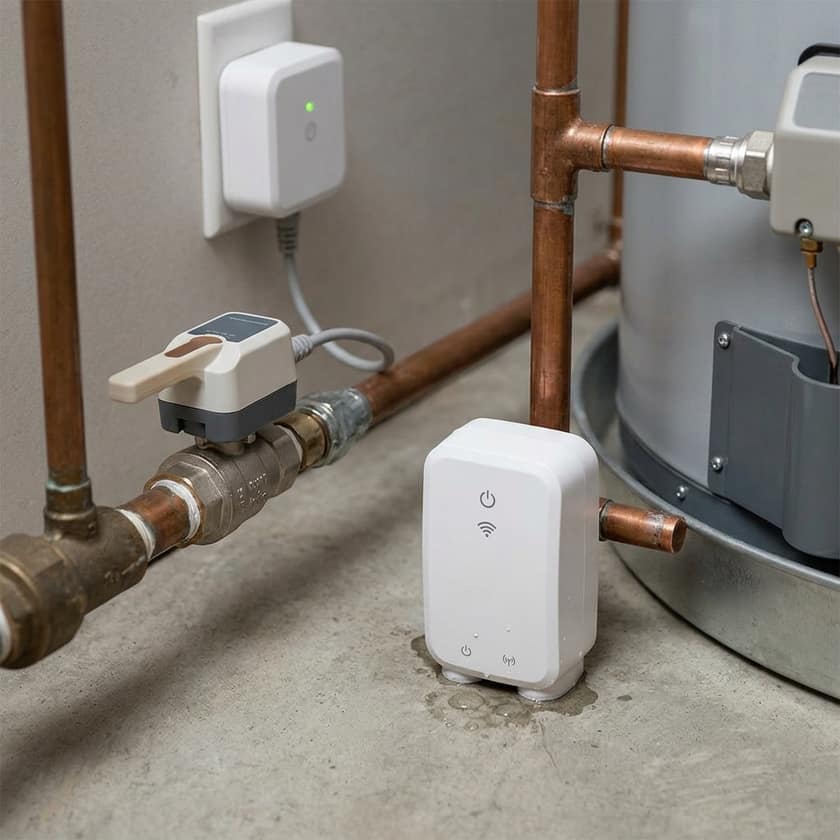
Unlike basic, localized moisture alarms that simply emit an audible beep that you might not hear if you are away or asleep, smart water leak detectors connect directly to your home's wireless network. When these devices sense even a tiny droplet of moisture, they instantly transmit push notifications, SMS text alerts, or email warnings to your smartphone, keeping you fully informed regardless of your physical location. This instantaneous notification capability empowers homeowners to take swift action, whether they are at the office, traveling out of state, or simply relaxing in another room. Many premium setups can even integrate directly with smart automated shut-off valves installed on your main water line, allowing the system to physically shut off the water supply automatically when a leak is detected, stoping disaster before it starts.
The Three Main Types of Smart Detection Systems
When researching the best options for protecting your property, you will generally find three primary types of smart leak detection systems available on the market today. The first and most common type is the standalone spot sensor, which you simply place on the floor near high-risk appliances; these are highly affordable, easy to set up, and perfect for quick deployment. The second type is the cable or rope sensor, which uses a flexible, moisture-sensitive cord to monitor larger, continuous areas such as the perimeter of a basement wall or long runs of exposed copper piping. The third and most robust option is the smart water flow monitor. These intelligent devices are mounted directly onto your main incoming water line, analyzing pressure variations and flow rates to detect hidden pipe bursts and micro-leaks.
Key Features to Look For When Buying
- Connectivity: Look for reliable Wi-Fi or hub-based protocols (like Z-Wave or Zigbee) that match your existing smart home infrastructure.
- Power Source: Choose between battery-operated units for easy placement and hardwired options for permanent, maintenance-free power.
- Smart Home Integration: Verify compatibility with popular smart platforms like Amazon Alexa, Google Home, or Apple HomeKit for unified control.
- Audible Alarms: Ensure the device features a loud built-in siren so family members inside the house are alerted even if their phones are muted.
- Sensor Extensions: Opt for units that support add-on sensor cables to reach tight, awkward spaces behind heavy appliances.
Integrating Sensors with Your Smart Home Ecosystem
Modern smart leak detectors are rarely designed to operate in total isolation. Instead, they are engineered to seamlessly integrate with broader smart home ecosystems like Amazon Alexa, Google Home, Samsung SmartThings, or Apple HomeKit. This integration allows you to create customized automation routines that enhance safety. For example, you can program your smart home hub to flash your smart lightbulbs bright red or sound an alarm on your smart speakers when a leak is detected. This ensures that everyone in the household is immediately aware of the hazard, even if they do not have their smartphones nearby. Additionally, integration allows for centralized monitoring alongside your smart security cameras and smoke alarms, giving you a comprehensive view of your home's status.
Strategic Placement: Where to Position Your Sensors
| Location | Primary Risk Source | Recommended Sensor Type |
|---|---|---|
| Under the Kitchen Sink | Leaking supply lines, garbage disposals, and dishwashers | Standalone spot sensor or puck |
| Basement utility room | Water heater failure, sump pump overflow, or floor drain backup | Cable sensor laid around perimeter |
| Behind the washing machine | Burst rubber hoses or drain pipe backups | Spot sensor placed directly on the floor pan |
| Bathroom vanity | Loose plumbing joints or slow drain pipe drips | Compact puck sensor under the main P-trap |
| Near the refrigerator | Leaky icemaker water lines running behind the unit | Thin sensor cable tucked beneath the appliance |
Maximizing the Lifespan and Efficiency of Your Devices
To guarantee your smart leak detectors function properly when a plumbing emergency strikes, establishing a routine maintenance schedule is highly recommended. Homeowners should physically test their sensors at least twice a year by touching the metal contact points with a damp sponge or paper towel to confirm that the unit successfully triggers an alert on their connected smartphone. This simple exercise ensures that the internal hardware, battery reserves, and local Wi-Fi connectivity are all communicating harmoniously. Additionally, it is wise to clean the exterior metal contacts regularly using a dry micro-fiber cloth to remove accumulated dust, pet dander, or mineral crusts that could insulate the sensors and delay critical trigger times. For battery-powered models, change the batteries annually and keep spares handy.
The Financial Benefits of Early Detection
In addition to providing invaluable peace of mind, investing in smart water leak detectors offers clear financial incentives that make them a smart long-term investment. The upfront cost of purchasing and setting up a few smart sensors is incredibly minimal compared to the catastrophic expense of professional water damage restoration, mold remediation, and replacing ruined personal property. Furthermore, many major home insurance providers throughout the United States now offer premium discounts for residences equipped with active smart home monitoring systems, especially those featuring automatic water shut-off systems. By demonstrating to your insurance agent that you have taken proactive measures to safeguard your property, you can secure annual premium savings that easily offset your hardware costs.