
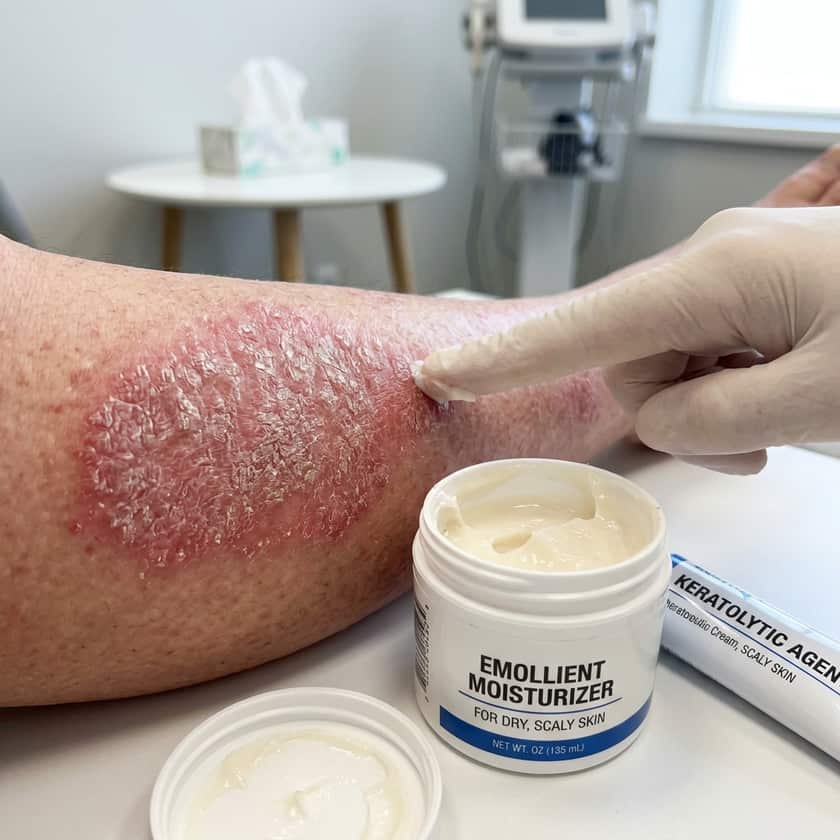
What Does Plaque Psoriasis Look Like?
Plaque psoriasis is the most common form of psoriasis, an autoimmune condition that causes skin cells to build up rapidly on the surface of the skin. This rapid growth leads to the formation of thick, scaly patches called plaques.
Visual Characteristics of Plaque Psoriasis
To know what plaque psoriasis looks like, it helps to understand its distinct visual markers:
- Raised, Red Patches: The plaques typically appear as raised, inflamed red skin lesions.
- Silvery Scales: On top of these red patches, a buildup of dead skin cells creates a silvery-white flaky layer, known as scale.
- Location: While plaques can develop anywhere on the body, they most commonly appear on the elbows, knees, scalp, and lower back.
- Skin Tone Variations: On darker skin tones, plaque psoriasis may look purplish, grayish, or dark brown, and the scales may appear thicker and more grayish than silver.
Psoriasis in the Elderly
Managing psoriasis in elderly patients requires special attention. While the symptoms of plaque psoriasis are similar to those in younger adults, the age-related changes in skin barrier function and overall health present unique challenges.
Special Considerations for Seniors
- Thinning Skin: Elderly skin is naturally thinner and more fragile, making it more susceptible to irritation from certain topical treatments.
- Co-existing Conditions: Older adults are more likely to have other health issues (comorbidities) such as cardiovascular disease, diabetes, or arthritis, which can restrict the use of certain systemic medications.
- Polypharmacy: Since many seniors take multiple medications, healthcare providers must carefully evaluate potential drug interactions before starting a new psoriasis regimen.
Treatment Options for Plaque Psoriasis
Psoriasis treatment is highly individualized, depending on the severity of the disease, the location of the plaques, and the patient's age and overall health status.
1. Emollients, Moisturizers, and Keratolytic Agents
For mild to moderate cases, keeping the skin well-hydrated and shedding excess scales is the first line of defense:
- Emollients and Moisturizers: These lock in moisture, soothe irritated skin, and reduce itching and scaling. Regular application is critical for maintaining the skin barrier.
- Keratolytic Agents: Over-the-counter or prescription products containing ingredients like salicylic acid help soften and loosen the thick, silvery scales, making other topical treatments more effective.
2. Advanced Systemic and Biologic Therapies
For moderate to severe plaque psoriasis, systemic treatments that work throughout the entire body are often necessary.
- Biologics: These are protein-based drugs derived from living cells. They target specific parts of the immune system that cause the overproduction of skin cells.
- Skyrizi Psoriasis Treatment: Skyrizi (risankizumab-rzaa) is a prescription biologic designed to target and block interleukin-23 (IL-23), a key protein involved in inflammatory processes. It is administered via injection and is highly effective at clearing skin plaques and providing long-term relief for eligible adults with moderate to severe plaque psoriasis.
Choosing the Right Path
If you suspect you have plaque psoriasis, consulting a dermatologist is the first step toward finding relief. Through visual examination and a review of your medical history, a specialist can design a personalized care plan—utilizing everything from standard emollients to advanced biologics like Skyrizi—to manage your symptoms effectively.