
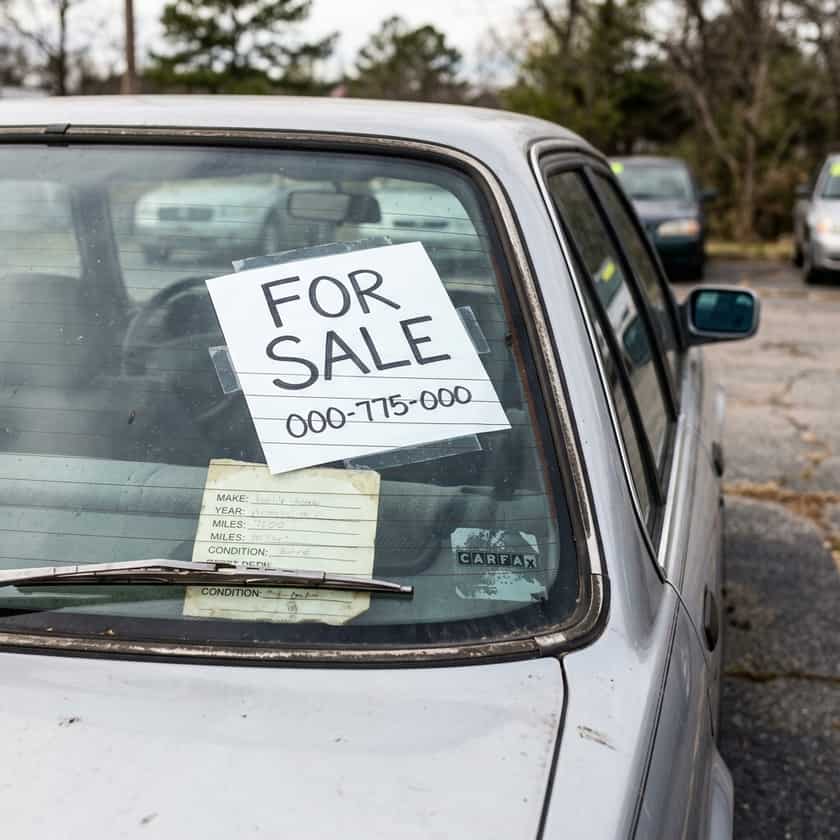
Navigating the Ultra-Budget Used Car Market
Finding a reliable vehicle on a tight budget is a major priority for many U.S. seniors, especially those living on fixed retirement incomes. While searching for a used car with a target budget of $1,000 is highly challenging in today's automotive market, it remains a practical starting point if you adjust your expectations and employ smart search strategies. At this price tier, the focus must shift entirely from cosmetic appeal and modern tech features to basic mechanical safety and operational reliability. Securing a road-ready vehicle requires patience, diligence, and a structured approach to locating listings and screening potential cars before any money changes hands.
Effective Search Channels for Low-Cost Vehicles
To maximize your chances of finding a vehicle within a modest budget, you need to look beyond traditional dealership lots, which rarely stock vehicles at this price point. Instead, direct your search toward private-party sales and community-based resources. Peer-to-peer online marketplaces, local newspaper classifieds, and neighborhood bulletin boards are excellent places to start. Seniors can often find the best deals through local word-of-mouth networks, such as civic clubs, senior centers, and religious organizations. Sometimes, community members look to sell older, well-maintained vehicles quickly to someone they know and trust, making these social avenues highly valuable for budget-conscious buyers.
- Local peer-to-peer online marketplaces and digital classified sites.
- Community bulletin boards at local senior centers, grocery stores, and libraries.
- Estate sales and local municipal or police auctions.
- Word-of-mouth inquiries through neighborhood groups and place of worship bulletins.
Screening Candidate Vehicles Before Meeting
Before traveling to inspect a vehicle in person, it is essential to conduct an initial screening over the phone or via messaging. This step saves valuable time and helps you filter out potential scams, curbstoners, or vehicles with major undisclosed problems. Ask direct, clear questions about the car's history, current mechanical state, and title status. A reputable seller should be transparent about the vehicle's limitations and willing to answer your queries. If a seller is evasive, pressures you to make a quick deposit, or refuses to provide basic details, it is best to walk away immediately.
- Does the seller have a clean, transferable title in the seller's name, and are there any recorded liens?
- What are the most significant mechanical or structural issues currently affecting the car?
- Has the vehicle ever been involved in a major accident or declared a total loss?
- Are you comfortable allowing me to bring a mobile mechanic to inspect the car?
Conducting a Thorough Hands-On Inspection
Once you identify a promising lead, a physical inspection is critical. Never purchase an ultra-low-budget vehicle sight unseen. If possible, bring a knowledgeable friend, family member, or a professional mechanic with you. Focus your inspection on core mechanical and safety components rather than minor aesthetic blemishes like dents, scratches, or worn upholstery. Check all fluid levels, look for active leaks underneath the chassis, and examine the condition of the tires. A test drive is mandatory; listen carefully for any unusual noises, feel for vibrations, and ensure that the brakes, steering, and transmission operate smoothly and predictably during the drive.
| Inspection Category | Critical Items to Examine | Immediate Red Flags |
|---|---|---|
| Engine Compartment | Look at oil color, check coolant levels, search for frayed belts. | Milky oil (indicates head gasket failure), heavy smoke from exhaust. |
| Vehicle Underbody | Inspect the frame for rust and check for active fluid puddles. | Severe structural rust or continuous oil, transmission, or coolant leaks. |
| Tires and Brakes | Evaluate tread depth, check sidewalls for rot, and test braking. | Spongy brake pedal, loud grinding sounds, or bald and cracked tires. |
| Electrical and Safety | Test all exterior lights, wipers, horn, and seatbelt mechanisms. | Inoperable headlights, non-functioning wipers, or broken seatbelts. |
Verifying the Vehicle History and Title Status
One of the most critical steps in buying any budget vehicle is verifying its paperwork. You must ensure that the vehicle has a clean, transferable title and is free of outstanding liens or legal issues. Request the Vehicle Identification Number (VIN) from the seller and use free online databases, such as the National Insurance Crime Bureau (NICB) website, to verify that the car has not been reported stolen or written off as a salvage vehicle. Avoid purchasing any vehicle where the seller cannot produce a physical title or where the name on the title does not match the seller's government-issued identification.
Completing the Transaction Securely
When you are ready to finalize the purchase, prioritize your personal safety and financial security. Never meet a stranger in a secluded area or carry large amounts of cash to an unfamiliar location. Instead, suggest meeting at a safe, public spot, such as the parking lot of a local police station, a busy bank, or a municipal department of motor vehicles (DMV) office. Complete all bill of sale paperwork clearly, ensure both parties sign the title transfer documents correctly, and obtain a signed receipt. Taking these precautions protects your investment and ensures a legitimate transfer of ownership.
A $1,000 search budget may surface possible candidates, but it does not guarantee that a safe, road-ready vehicle will be available or economical to own. Vehicles in this bracket naturally come with wear and tear, and ongoing maintenance will be necessary. This guide does not promise the immediate availability of vehicles, nor does it guarantee financing approval, specific savings, or perfect vehicle conditions. By conducting careful safety checks, verifying titles, and inspecting mechanical components thoroughly, seniors can make highly informed decisions and locate dependable transport that fits their financial limits.