
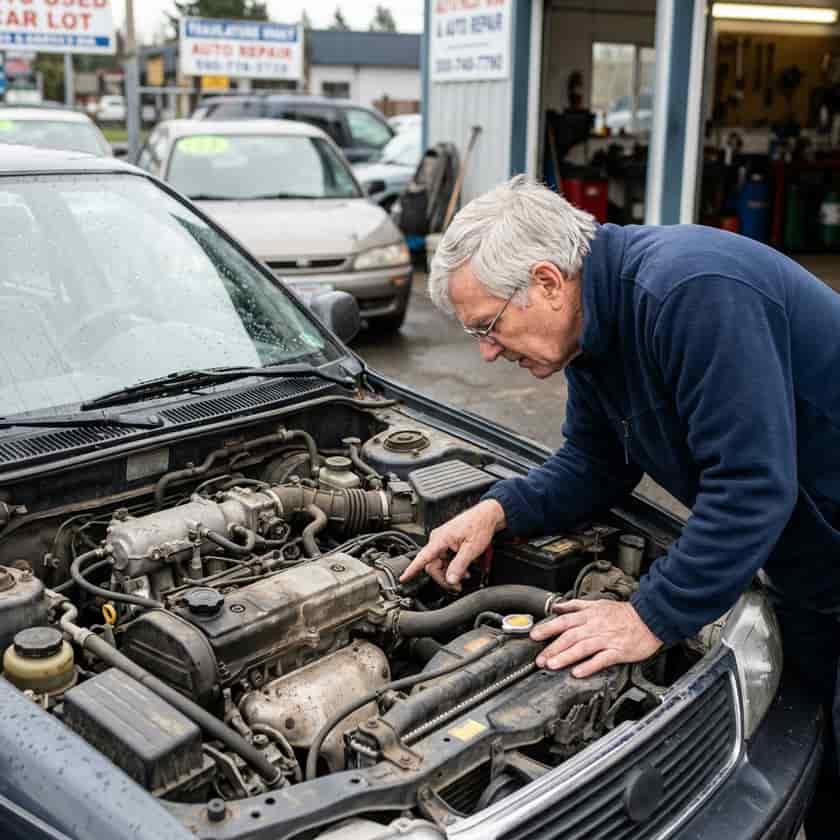
The Reality of Budget Vehicle Shopping
For many senior citizens living on fixed incomes, maintaining personal mobility is essential for accessing healthcare, visiting family, and managing daily errands. When looking for a budget-friendly vehicle, an incredibly low purchase price—such as one under a thousand dollars—can be highly tempting. However, it is crucial to approach these listings with a high degree of caution. While it is sometimes possible to find a functional car at a rock-bottom price, such vehicles rarely come without immediate financial requirements. To protect your hard-earned savings, it is vital to evaluate the complete cost of ownership rather than focusing solely on the sticker price on the windshield. A cheap car that requires constant attention can quickly become more expensive than a slightly higher-priced option in better condition. By preparing for these financial realities early, you can avoid stressful surprises.
Anticipating Immediate Repair and Maintenance Costs
A vehicle sold at an extremely low price may come with deferred maintenance or mechanical issues. Buyers should budget for the possibility of immediate repairs and use an inspection to determine whether the vehicle is safe and roadworthy. Common wear-and-tear components like tires, brake pads, rotors, windshield wipers, and belts frequently require prompt replacement on older models. Fluid leaks, worn suspension parts, or a weak battery are also possible and should be evaluated before purchase. Because repair labor rates and parts pricing vary significantly depending on your geographic location and the vehicle's specific make and model, getting a professional estimate before finalizing the purchase is highly recommended. Neglecting these initial fixes can lead to dangerous driving conditions or catastrophic engine failure down the road, transforming a bargain into a safety hazard.
- Braking Systems: Worn pads, damaged rotors, or compromised brake lines require immediate intervention for safety.
- Tires and Alignment: Bald or unevenly worn tires compromise traction and fuel economy, especially in inclement weather.
- Belts and Hoses: Cracked serpentine belts or brittle radiator hoses can fail suddenly, leaving you stranded.
- Fluid Replacements: Fresh engine oil, transmission fluid, coolant, and brake fluid are essential to prevent long-term damage.
- Battery Health: An older battery may fail to hold a charge during temperature extremes, requiring a replacement.
Navigating Registration, Taxes, and Insurance
The initial transaction between a buyer and seller is only the first step in legally operating a vehicle. Before hitting the road, you must account for state-level fees, which differ based on regional regulations. Sales tax, title transfer fees, and annual registration costs must be paid to your local Department of Motor Vehicles. Insurance or another form of financial responsibility is generally required, but rules vary by state; pricing also depends on the driver, location, coverage, and vehicle. Older vehicles might lack modern safety features like advanced airbags or anti-lock brakes, which can sometimes influence premium rates. Securing insurance quotes before purchasing a budget vehicle prevents unexpected financial shocks when you try to register the car. Requesting quotes from an insurer or broker before purchase helps you estimate whether the vehicle fits your budget.
| Expense Category | Potential Frequency | Cost Determinants | Budget Impact |
|---|---|---|---|
| Title & Registration | One-time / Annual | State DMV regulations & vehicle age | Low to Moderate |
| Auto Insurance | Monthly / Semi-Annual | Driver profile, location, and vehicle safety features | Variable |
| Routine Maintenance | Ongoing | Oil change intervals, fluid flushes, and tire wear | Continuous |
| Emergency Repairs | As needed | Aged parts, mechanical complexity, and labor rates | High Potential |
| Fuel Economy | Continuous | Engine size, vehicle weight, and driving habits | Variable |
Evaluating Fuel Efficiency and Fuel Types
Fuel costs represent a continuous drain on any driver's monthly budget, making efficiency a key consideration for seniors on a fixed income. Older budget cars, particularly those with larger engines or heavy frames, often have lower fuel economy compared to modern compact models. Additionally, some older luxury or performance vehicles may require premium-grade gasoline, which adds a significant premium at the pump. When evaluating a potential purchase, research the vehicle’s original fuel economy ratings and consider how your typical driving patterns—such as short city trips versus highway driving—will impact your monthly fuel spending. A more efficient vehicle may reduce fuel spending, depending on its condition, fuel requirements, and how it is driven. Keeping fuel costs low ensures more of your monthly income remains available for other essential expenses like groceries and healthcare.
Practical Steps for Smart Senior Shoppers
- Request a Vehicle History Report: Check for past accidents, title issues, and odometer discrepancies using the VIN.
- Schedule a Pre-Purchase Inspection: Have a trusted, independent mechanic evaluate the engine, frame, and safety systems.
- Test Drive Thoroughly: Listen for unusual noises, check the heater and air conditioning, and test the brakes at various speeds.
- Verify Title Cleanliness: Ensure the seller holds a clear title in their name, free of liens, salvage brands, or disputes.
- Set Aside a Contingency Fund: Avoid committing the entire budget to the purchase; reserve money for possible immediate repairs or fees.
Conclusion: Making an Informed Decision
Finding a functional and reliable car on a very tight budget is a challenging endeavor that requires patience, diligence, and realistic expectations. There are no magical shortcuts or hidden secrets to securing a flawless vehicle for under a thousand dollars. However, by expanding your focus to include the total cost of ownership—including repairs, registration, insurance, and fuel—you can make an informed, practical decision that protects your mobility and your financial well-being. Prioritize safety inspections and clear ownership records over a quick transaction; these steps can reduce avoidable risk, but they cannot guarantee future reliability. With careful planning and research, you can compare candidates more clearly and decide whether any available vehicle is safe and affordable enough for your needs.