
The Landscape of Medical Software in Modern Healthcare
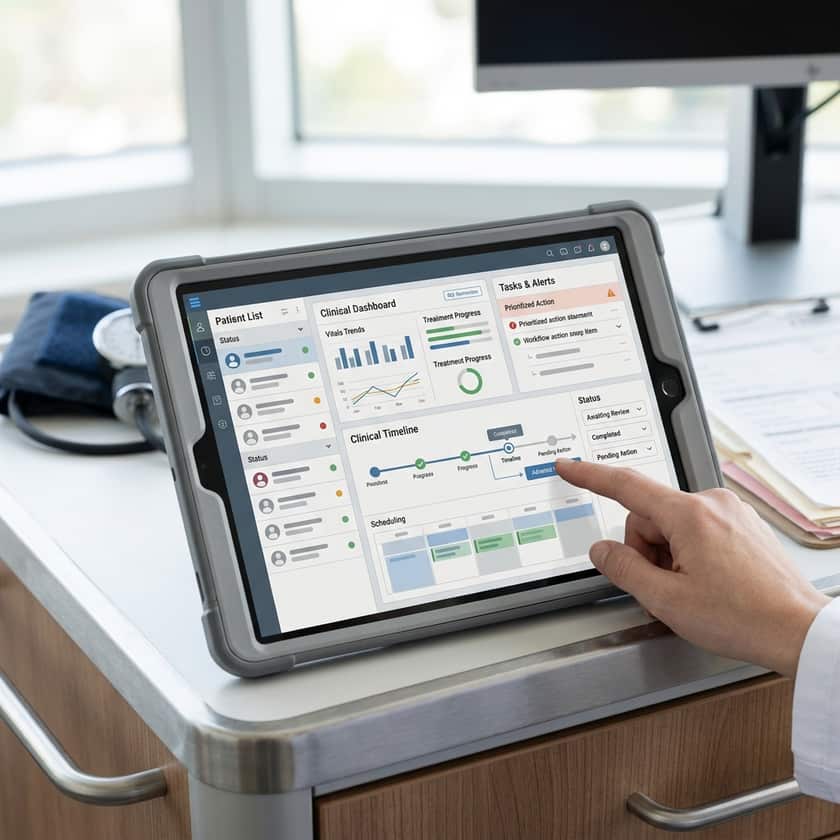
Healthcare facilities across the United States face unprecedented operational challenges daily, ranging from overwhelming administrative burdens to complex, error-prone billing systems. Modern medical software solutions have emerged to address these critical pain points directly, transforming how clinics and hospitals manage their daily routines. By integrating core clinical functions into unified digital platforms, modern software enables healthcare teams to shift their primary focus back to patient care. These digital tools are no longer just passive systems of record; they have evolved into active administrative assistants that streamline clinical documentation, reduce human errors, and optimize resource allocation across departments. In an era where efficiency and clinical accuracy are paramount, understanding the core features of updated clinical platforms is essential for any facility looking to modernize its operations, minimize staff fatigue, and significantly improve patient outcomes.
Core Features of Modern Clinical Platforms
Modern medical software stands out due to its ability to seamlessly integrate diverse healthcare processes into a unified environment. Unlike older, siloed databases that required manual data transfer, newer platforms place a strong emphasis on interoperability, facilitating secure data exchange across different clinics, laboratories, pharmacies, and imaging centers. Furthermore, sophisticated cloud-based architectures ensure that patient records are securely accessible in real-time, enabling clinicians to make informed, life-saving decisions quickly. Features such as natural language processing for automated documentation, predictive scheduling algorithms that reduce missed appointments, and integrated insurance verification are now standard expectations. These individual components work in harmony to minimize manual data entry and ensure that clinical documentation remains both highly comprehensive and compliant with modern medical guidelines.
- Interoperable Electronic Health Records (EHR): Utilizing standardized data exchange protocols to seamlessly connect laboratories, pharmacies, imaging centers, and external specialty clinics.
- Intelligent Documentation Assistance: Employing advanced voice-to-text and AI-driven clinical note-taking templates that significantly reduce the hours spent on daily charting.
- Automated Revenue Cycle Management: Real-time insurance eligibility verification and automated medical coding to accelerate claim submissions and minimize billing errors.
- Integrated Telehealth Capabilities: Built-in secure video consultations, patient messaging, and remote patient monitoring tools natively accessible within the clinical dashboard.
- Interactive Patient Portals: Empowering patients with self-service appointment scheduling, digital bill payment, medical history access, and secure messaging.
- Predictive Staff Scheduling: Utilizing historical clinic traffic data to optimize nursing and administrative staff shifts, reducing operational overhead.
Streamlining Clinical Workflows for Staff Efficiency
Clinician burnout remains a persistent crisis across the United States healthcare sector, frequently driven by excessive administrative tasks and screen time. Modern medical software aims to alleviate this burden by fundamentally optimizing daily workflows. By automating repetitive and tedious tasks, such as patient intake forms, consent processing, and standardized treatment plan creation, administrative overhead is slashed. Instead of navigating multiple disjointed computer applications, healthcare professionals can manage scheduling, clinical charting, prescribing, and billing from a single, intuitive interface. This streamlined design reduces cognitive fatigue, minimizes data entry errors, and allows nurses and physicians to dedicate more uninterrupted time to direct patient care, leading to higher employee retention and safer medical environments.
| Workflow Area | Legacy Approach | Modern 2026 Standard | Impact on Efficiency |
|---|---|---|---|
| Patient Intake | Manual paper forms completed in the waiting room followed by manual staff data entry. | Pre-visit online intake forms completed on a personal device with automatic EHR syncing. | Reduces wait times by up to 40% and eliminates front-desk data entry errors. |
| Clinical Charting | Typing extensive, repetitive clinical notes manually after each patient visit, leading to overtime. | Real-time voice-to-text drafting combined with smart, pre-filled clinical templates. | Cuts active charting time in half and allows clinicians to finish their shifts on time. |
| Billing & Coding | Manual coding reviews and physical document filing, resulting in frequent claim denials. | Automated claim scrubbing, integrated coding suggestions, and instant eligibility checks. | Decreases denial rates by over 30% and accelerates the overall reimbursement cycle. |
| Care Coordination | Faxing medical records back and forth and playing phone tag with external specialists. | Secure, integrated electronic messaging, direct referral networks, and shared patient access. | Speeds up transition of care from weeks to minutes, improving clinical coordination. |
Ensuring Security and Regulatory Compliance
Security and privacy are non-negotiable elements in the design of modern medical software. Platforms must successfully navigate rigorous and evolving regulatory landscapes, including HIPAA and HITECH standards, to protect sensitive patient information from unauthorized access. Modern systems implement robust cybersecurity measures, such as end-to-end data encryption, multi-factor authentication, role-based access controls, and secure APIs. Additionally, automated audit logging tracks every single interaction with patient files, providing healthcare administrators with complete transparency and simplified compliance reporting during audits. By deploying advanced software that adheres to the latest cybersecurity frameworks, healthcare facilities can actively protect themselves from devastating data breaches while maintaining the essential trust of the patients they serve.
Key Considerations for Software Implementation
Transitioning to a new clinical software platform requires strategic planning and careful execution to ensure success. Healthcare facilities must thoroughly evaluate potential vendors based on software scalability, technical support quality, and how well the new tools integrate with existing hardware. A phased rollout strategy is often highly recommended, allowing staff to adapt to the new user interfaces gradually without disrupting critical daily patient care. Additionally, investing in comprehensive, structured training programs is essential to ensure that all team members can confidently utilize the system's advanced features. Providing sufficient training upfront reduces transition friction, minimizes operational downtime, and accelerates the realization of the software's efficiency benefits across the organization.
The adoption of advanced medical software represents a major step forward for healthcare facilities aiming to thrive in a demanding clinical environment. By embracing sophisticated features designed for interoperability, automated charting, and enhanced administrative workflows, clinics can achieve a perfect balance between operational efficiency and superior clinical care. Investing in modern digital infrastructure is no longer just an IT upgrade; it is a strategic necessity that empowers medical professionals and deeply enhances the patient experience. As clinical demands continue to evolve, having a reliable, state-of-the-art software foundation will remain the primary differentiator for highly successful, efficient, and resilient healthcare practices across the country.