
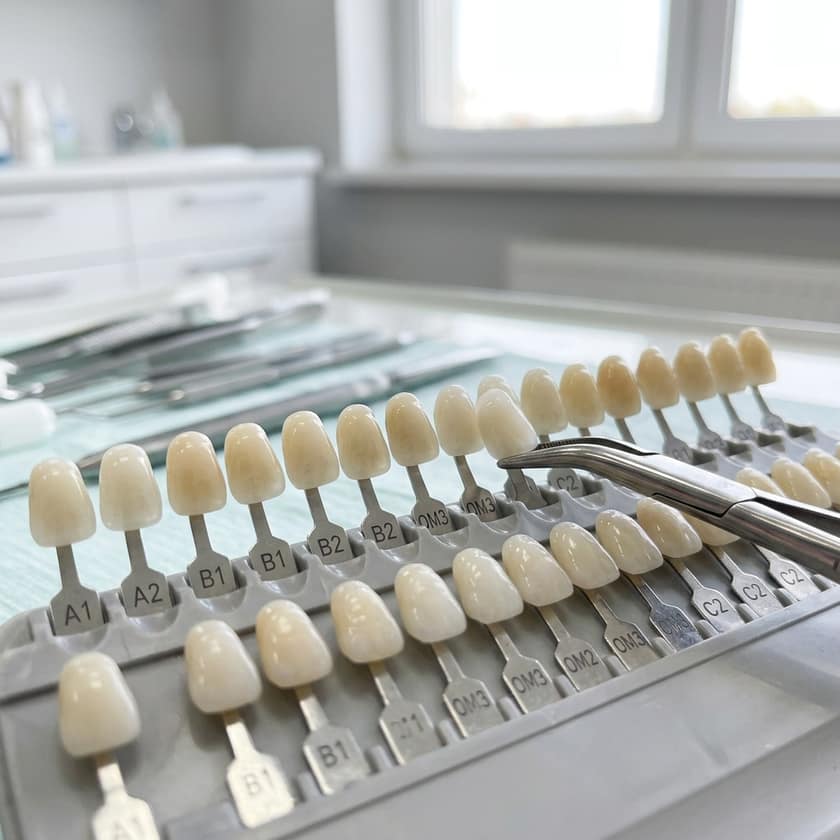
Dental veneers are thin coverings placed on the front surfaces of selected teeth to change aspects of appearance such as color, shape, or spacing. Porcelain and tooth-colored composite are common material categories, but the appropriate choice depends on oral health, the condition of the teeth, treatment goals, and a clinician's assessment. Veneers are not a substitute for treating decay, gum disease, bite problems, or other underlying conditions. Because preparation and bonding can affect natural tooth structure, the decision should follow an examination by a licensed dentist who can explain suitable alternatives, expected limitations, and the maintenance a particular case may require.
Understanding the Mechanics of Dental Veneers
A veneer changes the visible surface of a tooth rather than replacing the entire tooth. The dentist evaluates the tooth, gums, bite, and available enamel before recommending a material or preparation approach. Some cases require removal of a portion of enamel, while others may use a more conservative preparation; the amount varies with the tooth, material, desired shape, and clinical technique. Bonding creates a close connection between the restoration and tooth, but it does not make either one immune to decay, fracture, wear, or gum problems. Teeth beneath and around veneers still need routine professional care and daily cleaning.
Comparing Materials: Porcelain versus Composite Resin
Porcelain veneers are made outside the mouth from a ceramic material and are then bonded to prepared teeth. Composite veneers use tooth-colored resin that may be shaped directly on the tooth or fabricated indirectly. Porcelain often offers strong color stability and translucency, while composite may allow a shorter or more repairable treatment path in some cases. Neither material is automatically right for every patient. Cost, number of visits, repair options, enamel removal, bite forces, staining habits, and the dentist's experience all belong in the comparison. Ask for a case-specific treatment plan instead of relying on a general lifespan or appearance claim.
| Feature | Porcelain Veneers | Composite Veneers |
|---|---|---|
| Material | Laboratory-made ceramic | Tooth-colored resin |
| Visit pattern | Often involves planning, fabrication, and placement visits | May be completed directly or through more than one visit |
| Tooth preparation | Varies by case and design | Varies by case and technique |
| Color and surface | Generally resists staining well | May stain or wear differently over time |
| Repair or replacement | Discuss removal and replacement implications | May be repairable in selected situations |
The Clinical Procedure: What to Expect
Treatment usually begins with a dental examination and a discussion of goals. The dentist may use photographs, scans, impressions, or imaging when clinically appropriate. Any active oral-health problem should be addressed before cosmetic work proceeds. If tooth preparation is needed, the dentist removes only the amount required for the planned restoration and explains whether the change is reversible. Porcelain veneers commonly require a fabrication stage before bonding, while direct composite may be shaped at the appointment. At placement, fit, shade, bite, and margins are checked. The exact sequence, anesthesia needs, temporary restorations, and follow-up schedule vary by patient and technique.
- Oral examination and discussion of cosmetic goals, risks, and alternatives.
- Treatment planning with photographs, scans, impressions, or imaging when appropriate.
- Case-specific tooth preparation, if needed, after informed consent.
- Fabrication or direct shaping depending on the selected material and technique.
- Checking fit, shade, margins, and bite before final bonding or finishing.
- Follow-up and routine dental care according to instructions from the dentist.
Evaluating the Pros and Cons of Cosmetic Veneers
- Can change the visible color, shape, length, or spacing of selected teeth.
- Porcelain and composite differ in stain behavior, repair options, visit patterns, and cost.
- May require removal of natural enamel, depending on the case and technique.
- Can chip, debond, wear, or need replacement; outcomes and service life vary.
- Does not prevent decay or gum disease around the treated teeth.
- May not be suitable when oral disease, insufficient enamel, or heavy bite forces are present without additional management.
Maintenance and Long-Term Care for Your New Smile
Care instructions depend on the material and the patient's oral health. In general, continue brushing with fluoride toothpaste, clean between teeth, and attend routine dental visits. Ask the dentist whether a particular toothpaste, flossing method, or hygiene aid is appropriate around the veneer margins. Avoid using teeth to open packages or bite very hard objects. People who clench or grind should discuss whether a professionally fitted appliance or other management is appropriate rather than purchasing a guard without an examination. New pain, a change in bite, a loose edge, swelling, or a fractured restoration should be assessed by a dental professional.
Before deciding, request a written plan that identifies the teeth involved, material, preparation approach, fees, follow-up, and what may happen if a veneer needs repair or replacement. Ask to review reasonable alternatives, which may include whitening, bonding, orthodontic care, crowns, or no treatment, depending on the clinical finding. Photographs of previous work can illustrate a dentist's style but cannot predict an individual result. A useful consultation should leave room for questions and realistic expectations, without pressure to commit immediately.
Questions to Ask During a Veneer Consultation
- What oral-health findings should be treated before cosmetic work begins?
- Which alternatives could address the same concern, and why is a veneer being considered?
- Which teeth would be treated, and how would the result relate to the untreated teeth?
- How much enamel preparation is expected for each tooth, and can that decision change during treatment?
- Will temporary restorations be needed, and what restrictions apply while wearing them?
- How are chips, debonding, staining, bite changes, or gum changes evaluated and managed?
- What fees, follow-up visits, maintenance, repair, and replacement possibilities should be planned for?