
The Changing Landscape of Access Control in 2026
As we navigate 2026, the landscape of security technology has shifted dramatically from legacy hardware to integrated, software-driven environments. Modern access control is no longer just about locking a door; it is about managing a digital ecosystem that connects physical locations with cybersecurity protocols. The shift is driven by the need for seamless user experiences combined with high-level protection. Organizations are moving away from traditional keys and simple magnetic cards, favoring mobile credentials and adaptive authentication methods that respond to the user's presence and security clearance in real-time.
Sustainability and Efficiency Trends
One of the most notable developments in 2026 is the focus on sustainable infrastructure. Facility managers are increasingly demanding energy-efficient hardware that reduces waste and lowers total cost of ownership. The rise of battery-free technologies, such as energy-harvesting locks that draw power from the physical act of engaging the handle, has revolutionized long-term maintenance strategies. These systems minimize the logistical burden of replacing hundreds of batteries across large corporate campuses, while also supporting corporate ESG (Environmental, Social, and Governance) goals by significantly reducing electronic waste.
Key Components of Modern Security Infrastructure
- Cloud-based Management: Centralized control platforms allow administrators to manage access permissions remotely from any location.
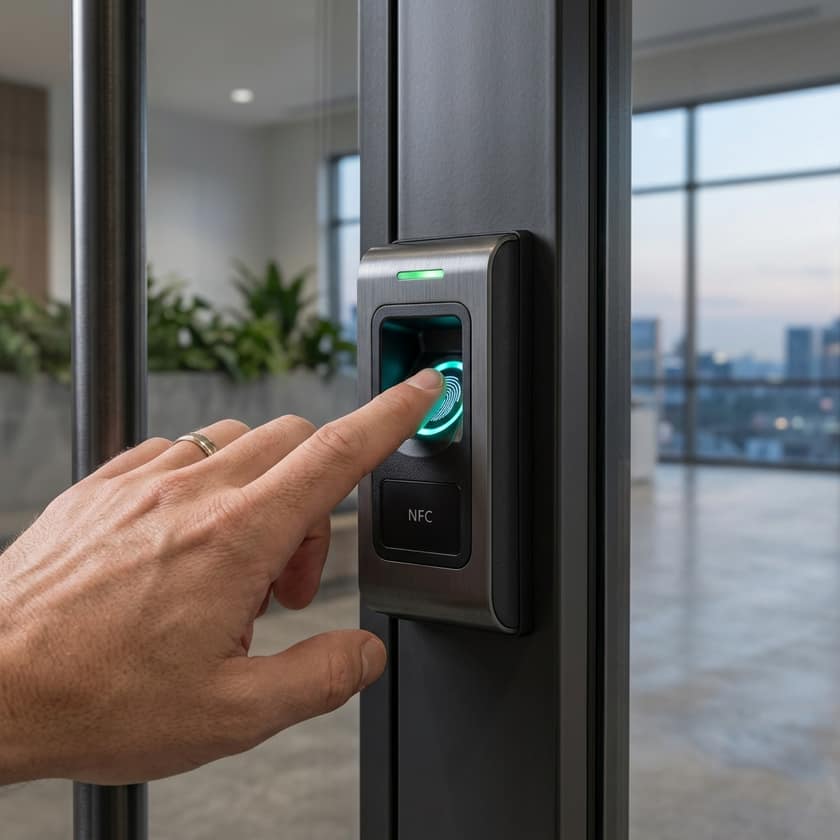
- Biometric Authentication: Fingerprint, iris, and facial recognition offer high-assurance verification that cannot be lost or stolen like physical keys.
- Mobile Credentials: Utilizing smartphones as secure keys via NFC or Bluetooth, providing a frictionless entry experience.
- Interoperability Protocols: Open standard APIs allow physical access systems to integrate with HR databases, lighting controls, and heating systems.
- End-to-End Encryption: Ensuring that communication between the credential, the reader, and the server is impervious to interception.
Comparing Access Technologies
| Technology | Security Level | Ease of Use | Maintenance | Best For |
|---|---|---|---|---|
| Physical Keys | Low | Moderate | Low | Small Offices |
| Magnetic Cards | Moderate | High | Moderate | General Access |
| Smart Cards (RFID) | High | High | Low | Enterprise |
| Biometrics | Very High | High | Moderate | High-Security Areas |
| Mobile/Cloud | Very High | Very High | Low | Hybrid Workplaces |
The Role of AI in Threat Detection
Artificial Intelligence has moved from a buzzword to a functional tool in 2026 security architectures. Modern access control systems now use predictive analytics to identify anomalous behavior. For example, if an employee badge is used to enter a building at 3:00 AM in New York, and then used to access a digital server in London just two hours later, the AI identifies this 'impossible travel' scenario and automatically freezes credentials until manual verification occurs. This proactive approach turns security systems from passive door controllers into active defenders of the physical and digital perimeter.
Best Practices for Implementation
Choosing the right system requires more than just picking hardware; it involves assessing organizational needs. Before investing in 2026, conduct a thorough security audit. Consider the scalability of the platform. Will the system handle expansion if your company grows? Ensure that data privacy remains a priority, especially when collecting biometric data. Local regulations often dictate how and where this information can be stored. Working with professional integrators who understand the intersection of physical security and IT networking is essential for a successful deployment that remains compliant with current laws.