
The Financial and Ecological Case for Pre-Owned Smartphones
In a mature consumer technology market characterized by incremental annual upgrades, purchasing a pre-owned smartphone has evolved from a risky compromise into a highly sophisticated, economically sound alternative. Driven by rising retail prices for brand-new flagship devices and a growing cultural emphasis on environmental sustainability, millions of American shoppers are actively seeking value in the secondary market. Modern premium devices are engineered with exceptional durability and high-performance processors that remain remarkably fast for many years. Choosing a used device allows consumers to access advanced camera systems, vibrant displays, and robust security updates without paying the steep premium of buying brand new, effectively bridging the gap between high-end digital connectivity and budget-conscious household management.
Demystifying Cosmetic and Functional Grading
The secondary mobile market relies on a standardized system of cosmetic and physical grading to align buyer expectations with pricing. It is crucial to distinguish between cosmetic flaws and operational reliability; reputable vendors ensure that regardless of external blemishes, every phone passes extensive functional diagnostics. When browsing inventory, consumers will encounter terms ranging from pristine to heavily used, each corresponding to a distinct price point. Understanding these definitions empowers buyers to decide where they are willing to compromise, such as accepting minor scuffs on the aluminum frame in exchange for deep discounts, while retaining full confidence that the internal hardware, display touchscreen, and communication modules operate perfectly.
| Grade Level | Visual Appearance | Internal Hardware Status | Expected Price Discount |
|---|---|---|---|
| Excellent / Mint | Virtually indistinguishable from a brand-new device, no visible scratches | 100% operational, diagnostic tested, battery at peak health | 15% to 25% off MSRP |
| Very Good / Light Wear | Minor superficial scuffs on back or sides, screen is clear | 100% operational, fully inspected and clean ESN | 25% to 40% off MSRP |
| Good / Fair Wear | Visible scratches, minor dents on housing, light screen wear | 100% operational, fully functional but aesthetically used | 40% to 60% off MSRP |
The Vital Role of Battery Health Metrics
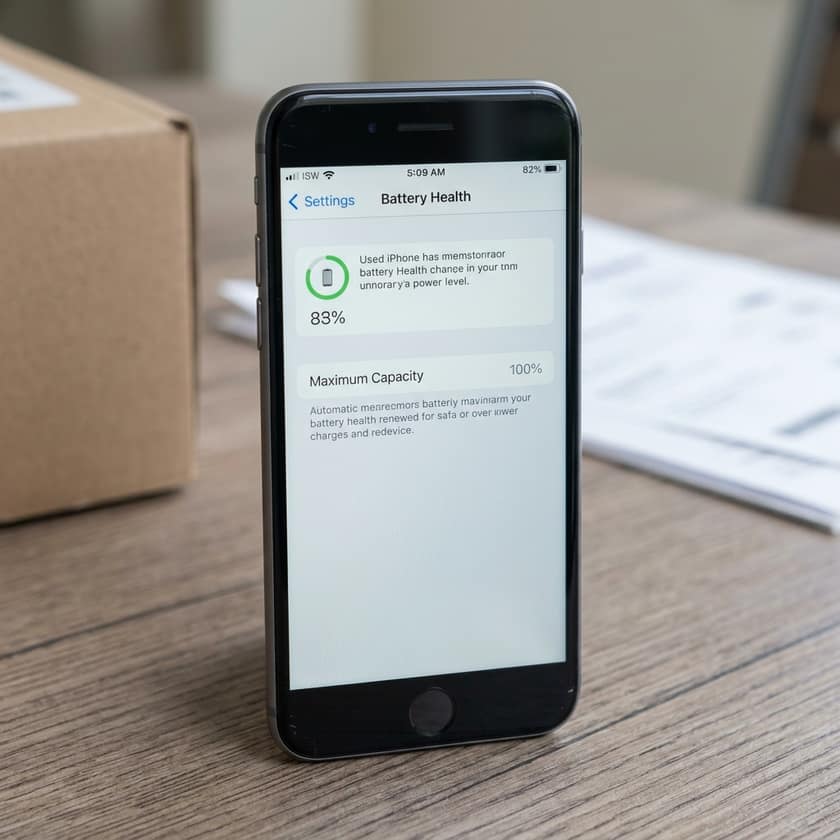
Unlike modern solid-state electronics, lithium-ion batteries are consumable components that degrade chemically with every charge cycle. This inevitable chemical wear reduces the battery's overall capacity, affecting how long the device can run on a single charge and occasionally impacting processing speeds. When assessing used devices, checking the battery health percentage in the operating system's settings is paramount. A capacity above eighty percent is standard for optimal performance, meaning the device can still manage peak power demands. If a used phone falls below this threshold, users might encounter unexpected shutdowns under heavy workloads or rapid daily drainage, making a battery replacement necessary and potentially offsetting any upfront savings realized during the initial purchase.
Carrier Compatibility and Activation Security
A frequent obstacle when navigating pre-owned phone deals is ensuring immediate compatibility with your wireless network. Smartphones are sold either locked to a specific carrier or unlocked for use across multiple networks. Purchasing a factory unlocked device offers the highest degree of versatility, letting users switch networks at will or utilize international eSIM profiles while traveling. Furthermore, checking the security status of a device is non-negotiable. Buyers must confirm that the previous owner has fully disabled Activation Lock and signed out of their iCloud account. A device tied to an active personal profile is functionally useless to a new buyer, highlighting the importance of procuring devices from retailers who guarantee clean digital serial numbers.
A Practical Inspection Checklist for Secondary Buyers
- Verify Activation Lock is completely disabled and the device has been fully factory reset.
- Test both the front and rear camera lenses for clarity, focus accuracy, and functional flash.
- Examine the charging port and speaker grilles for physical debris, corrosion, or port loose fitment.
- Check screen response, True Tone functionality, and look closely for any dead pixels or discoloration.
- Run a test call to confirm that the microphones, earpiece, and speaker system produce clear sound.
- Inspect the liquid damage indicators, typically located inside the SIM card tray, for exposure to moisture.
- Analyze the battery health menu to ensure the maximum capacity percentage aligns with your usage expectations.
Identifying the Best Value Model Sweet Spots
To achieve the maximum return on investment, buyers should target specific models that occupy the ideal intersection of price depreciation and remaining software support. Currently, models released two to three years prior, such as the iPhone 13 and iPhone 14 families, represent the premier sweet spots. These devices feature modern, highly efficient processors, exceptional multi-camera configurations, and 5G network capabilities, yet they are available at a fraction of their launch prices. While older generations are incredibly affordable, their remaining window for security patches and major operating system updates is shorter, making them less viable for long-term use. Focus on recent mid-tier classics to secure a device that feels premium today and remains fully supported for years.
Making the Right Purchasing Decision
Ultimately, successfully purchasing a pre-owned smartphone comes down to choosing reputable sales channels and doing due diligence. While direct peer-to-peer marketplaces can offer the absolute lowest raw prices, they lack the buyer protections, formal warranties, and structured return policies provided by professional refurbishers. Opting for certified platforms guarantees that the device has undergone comprehensive diagnostic testing and cosmetic restoration. By applying careful inspection strategies, prioritizing battery life, and choosing secure, unlocked options, consumers can enjoy premium smartphone capabilities while keeping their budget perfectly intact. This approach turns a smart financial choice into a seamless upgrade experience that benefits both your wallet and the environment.