
The Evolution of Free-to-Play Video Games
The global video game industry has experienced a massive shift over the last two decades. Gone are the days when high-quality gaming experiences were locked exclusively behind a seventy-dollar retail price. Today, some of the most popular and culturally significant video games in the world are entirely free to download and play. This democratization of gaming has allowed millions of players across the United States to connect, compete, and collaborate without any upfront financial barrier. However, while the cost of entry is zero, these titles must still generate revenue to sustain development. Understanding how this ecosystem works is crucial for players who want to enjoy these experiences safely and responsibly.
Popular Monetization Models Explained
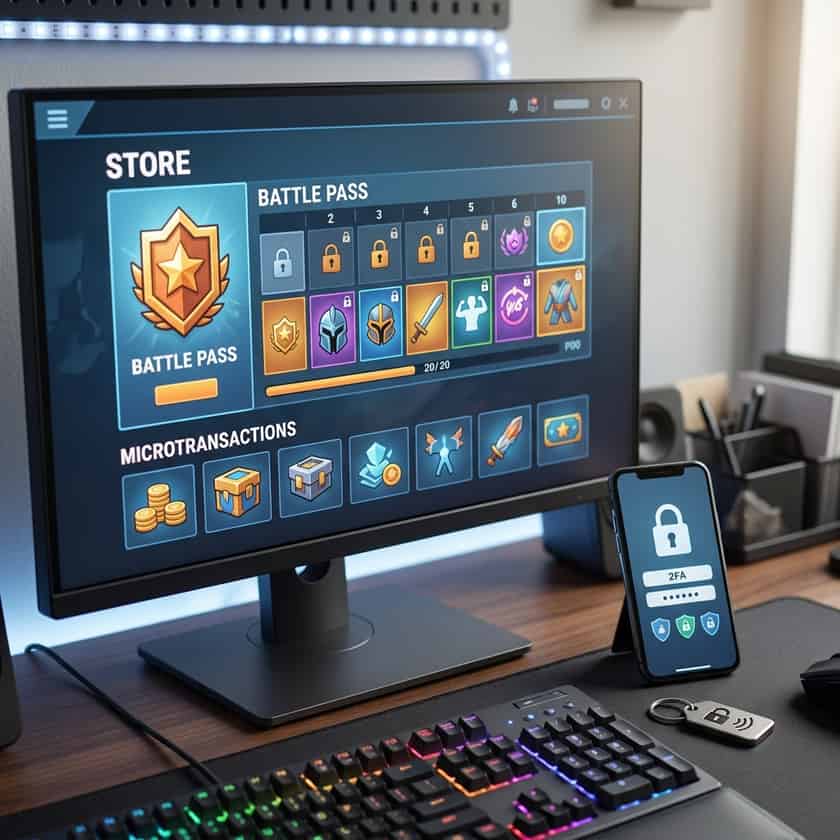
- Cosmetic Microtransactions: Purchases that only alter visual appearances, such as character skins, weapon wraps, or emotes, providing no competitive advantage.
- Battle Passes: Seasonal progression systems where players complete challenges to unlock tiered rewards, featuring both a free track and a paid premium track.
- Pay-to-Win (P2W) Mechanics: Systems that allow players to purchase powerful gear, upgrades, or characters that offer direct advantages over non-paying competitors.
- Time-Gating and Energy Limits: Common in mobile gaming, where actions require energy points that regenerate over time unless players pay real money to bypass the wait.
Trusted Platforms for Accessing Free Titles
Safety is a primary concern when looking for free digital content. Downloading files from unverified third-party websites exposes your computer or console to malware, spyware, and phishing schemes. To ensure safety, players should only use official, curated marketplaces. These storefronts verify the security of the games they host and provide automatic updates to patch security vulnerabilities. Utilizing these established platforms ensures that your hardware and personal data remain protected while you build your digital library.
| Platform | Primary Device | Popular Free Genre | Key Security Feature |
|---|---|---|---|
| Steam | PC / Steam Deck | Multiplayer, Strategy | Steam Guard Two-Factor Auth |
| Epic Games Store | PC / Mac | Battle Royale, Indie | Secure Epic Accounts & Weekly Free Giveaways |
| PlayStation Store | PlayStation 4 / 5 | Action, Shooter | Sony Network Payment Protection |
| Xbox Marketplace | Xbox Series X/S / One | Shooter, Sports | Microsoft Account Family Settings |
| Nintendo eShop | Nintendo Switch | Casual, Multiplayer | Nintendo Switch Online Cloud Backups |
Recognizing Dark Patterns and Aggressive Monetization
Some free-to-play titles employ psychological tactics known as 'dark patterns' to encourage spending. These include using dual-currency systems (converting real cash into virtual coins to mask the actual cost of items) and inducing a fear of missing out (FOMO) via limited-time storefront rotations. Recognizing these design choices empowers players to enjoy the game on their own terms, remaining conscious of how and why a game is prompting them to spend money.
Practical Tips for Safe and Budget-Friendly Gaming
- Enable Two-Factor Authentication (2FA) on all your gaming accounts to protect your progress and any stored payment info.
- Avoid saving credit card information directly to the gaming device to prevent accidental or impulsive purchases.
- Set up parental controls on consoles and PCs to require password confirmation for any in-game transaction.
- Research the monetization reputation of a game on community forums like Reddit or Steam Reviews before dedicating significant time to it.