
Demystifying Low-Cost Dental Implant Ads for Seniors
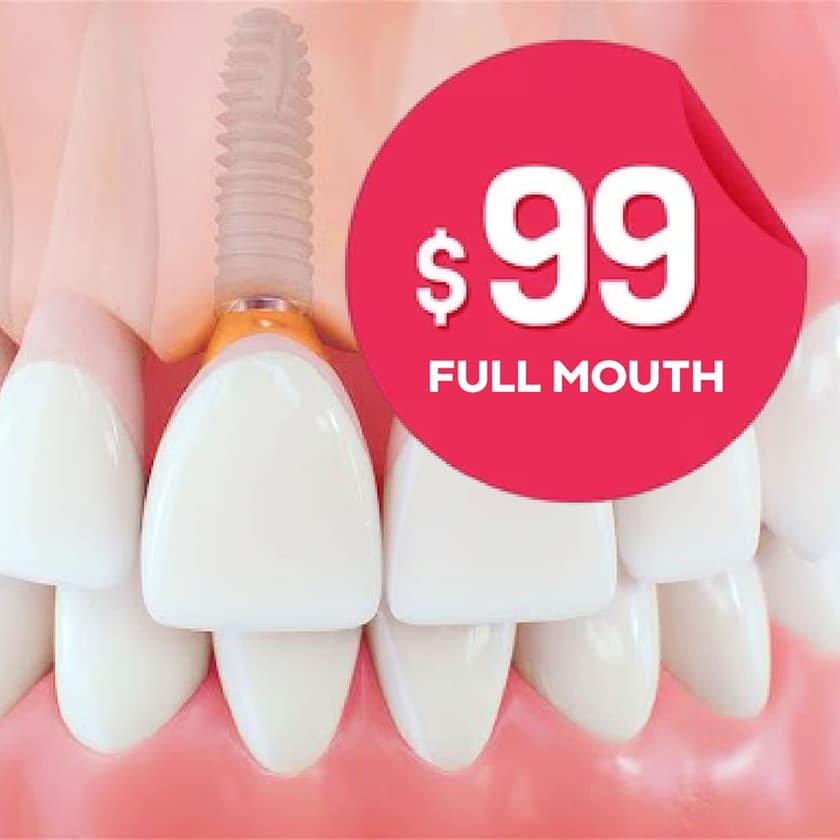
Advertisements offering full mouth dental implants for as little as ninety-nine dollars frequently capture the attention of seniors looking for budget-friendly ways to restore their smiles. While these marketing headlines are highly compelling, they rarely represent the final price of a comprehensive, multi-stage surgical reconstruction. In the dental industry, these low figures usually serve as promotional hooks designed to encourage patients to schedule an initial consultation. For older adults on fixed incomes, understanding the distinction between an introductory promotional rate, a monthly financing payment, and the actual clinical cost of dental surgery is essential to making safe, informed, and realistic decisions regarding their oral health care journey.
In practice, a full mouth dental restoration is a highly complex medical procedure that involves multiple steps, specialized equipment, and custom-made prosthetics. A single standard implant consists of a titanium post surgically placed into the jawbone, an abutment, and a custom crown. Multiplying this process across an entire upper or lower arch requires advanced planning, imaging, and surgical precision. When an advertisement mentions a ninety-nine-dollar price point, it almost never covers the surgical placement of multiple titanium posts and the final prosthetic teeth. Instead, this figure is typically the cost of an initial diagnostic exam, a digital 3D imaging scan, or a preliminary consultation fee meant to bring patients into the clinical office.
How Dental Care Pricing and Financing Models Work
The physical components and clinical expertise required for full mouth restorations carry significant baseline costs. Dentists and oral surgeons utilize medical-grade materials, such as titanium and zirconia, which must be bio-compatible and highly durable to withstand daily chewing forces. Additionally, local dental laboratories custom-craft each bridge or denture to fit the patient's unique facial structure. Because of these inherent material and laboratory expenses, the physical cost of producing a full arch of prosthetic teeth far exceeds the nominal fee shown in promotional advertisements. Patients must also consider the costs associated with local anesthesia, sterile surgical environments, post-operative follow-ups, and potential preparatory procedures like tooth extractions or bone grafting.
Rather than representing the total sum of the treatment, the ninety-nine-dollar figure is most frequently a monthly financing payment plan. Many modern dental offices partner with third-party healthcare lending companies to make expensive procedures more accessible to patients. Under these credit arrangements, qualified individuals can receive their dental treatment immediately and pay it off over several years. A monthly payment of ninety-nine dollars is highly achievable for many seniors, but it is important to remember that this installment will repeat over a long term, such as sixty or seventy-two months, and may involve interest charges that increase the total amount paid over time.
Affordable Dental Alternatives and Resources for Seniors
For seniors who find that the total cost of permanent full mouth implants is outside their financial reach, several reliable and more affordable alternatives exist. Traditional removable dentures remain the most common and cost-effective solution for replacing a full arch of missing teeth. Modern manufacturing techniques have significantly improved the comfort, appearance, and durability of standard dentures. Another middle-ground option is the implant-retained overdenture, which utilizes just two to four strategically placed implants to securely snap a removable denture into place. This hybrid approach offers much of the stability associated with permanent implants but at a fraction of the surgical cost and material complexity.
Finding affordable care often requires looking outside traditional private practices. Dental school clinics are an exceptional resource for budget-conscious seniors. At these facilities, dental students perform procedures under the strict, direct supervision of licensed, highly experienced faculty members. Because these are educational institutions, they offer services, including crowns, dentures, and sometimes implants, at significantly reduced rates. Additionally, federally qualified health centers and community health clinics receive government funding to provide dental care on a sliding scale based on a patient's household income, ensuring that essential treatments remain accessible to local residents.
Navigating Insurance, Medicare, and Discount Programs
Navigating insurance coverage is another critical step in managing dental costs as a senior. Traditional Medicare, which includes Part A and Part B, does not cover routine dental services, cleanings, extractions, or implants, as these are classified as non-medical dental care. However, many seniors opt for Medicare Advantage plans, also known as Part C, which are offered by private insurance companies and often include optional dental benefits. While these plans may not cover the entire cost of a full mouth implant procedure, they frequently cover preventative cleanings, basic extractions, and a portion of restorative work like crowns or traditional dentures.
When reviewing any low-cost dental advertisement, seniors should approach the offers with practical caution and ask for detailed clarification. Always request a comprehensive, written treatment plan during your initial consultation. This document should explicitly list every cost associated with the planned procedure, including diagnostic imaging, extractions, temporary prosthetics, surgical placement, and the final teeth. Comparing itemized quotes from multiple dental offices and seeking a second opinion can help prevent unexpected billing surprises and ensure you receive high-quality care that fits safely within your personal financial plan.
| Treatment Option | Average Relative Cost | Stability Level | Surgical Requirement |
|---|---|---|---|
| Traditional Dentures | Low | Moderate (Removable) | None (unless extracting teeth) |
| Implant-Retained Overdenture | Medium | High (Snaps onto 2-4 posts) | Minor Surgery Required |
| Full Arch Fixed Implants | High | Very High (Permanent) | Advanced Oral Surgery |