
The Rise of Intelligent Automation
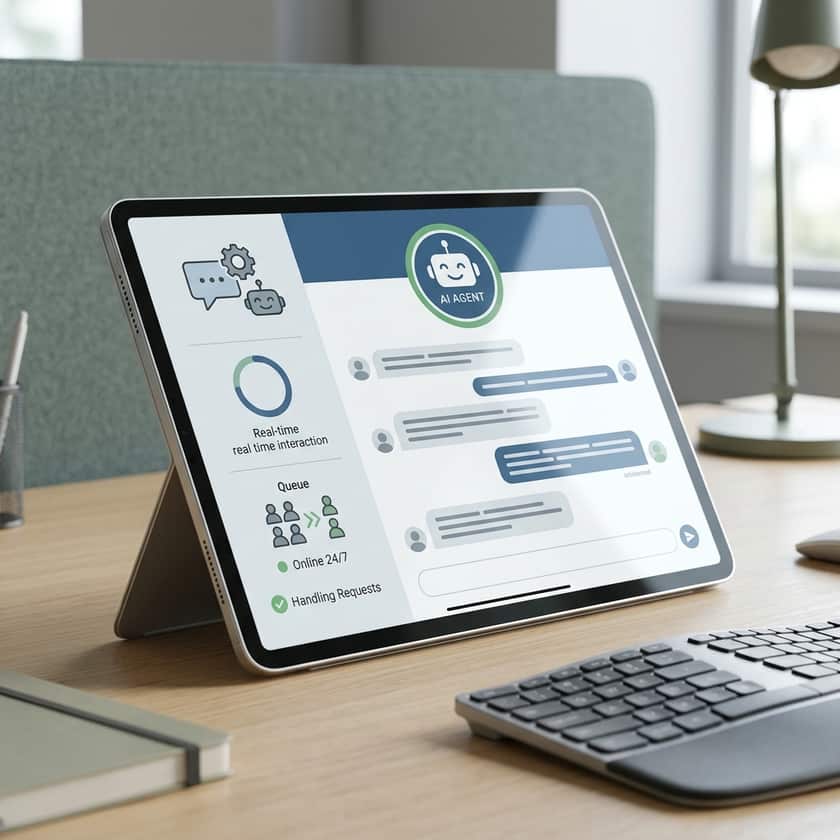
The rapid integration of artificial intelligence into daily business operations has fundamentally shifted how companies engage with their clientele. AI virtual agents, often referred to as intelligent virtual assistants or conversational agents, have moved beyond basic script-based chatbots. Today's sophisticated agents utilize machine learning and natural language processing to understand context, intent, and nuance, allowing them to handle complex inquiries without human intervention. This evolution represents a strategic shift from simple automation to intelligent digital collaboration, where technology serves as an active participant in service delivery and problem-solving.
Core Benefits of AI Virtual Agents
Adopting AI virtual agent technology offers significant operational advantages. One of the primary drivers for adoption is the ability to maintain a 24/7 presence. Unlike human teams that require breaks, shifts, and time off, AI agents provide consistent availability across all time zones. This capability ensures that customer queries, technical issues, or booking requests are addressed immediately, regardless of the hour. By offloading these repetitive tasks, organizations can redirect human employees toward high-value creative and strategic initiatives that require deep empathy, critical thinking, and nuanced decision-making abilities that machines have yet to master.
- Consistent 24/7 availability for global customer bases.
- Reduction in average response time for common support tickets.
- Increased scalability during high-traffic periods or seasonal demand spikes.
- Data-driven insights gained by analyzing thousands of conversation logs.
- Integration capabilities with CRM and enterprise resource planning software.
- Standardization of brand voice and policy enforcement across interactions.
Transforming Administrative and Support Workflows
Beyond simple customer service, AI virtual agents are making significant inroads into administrative and operational workflows. Many organizations now utilize these tools to handle routine tasks such as scheduling appointments, verifying patient or client identities, and processing intake documentation. Research indicates that organizations can automate up to 50 percent of routine administrative tasks using properly trained AI agents. This efficiency gain allows for a leaner operational structure where staff members serve as supervisors of the technology rather than manual processors of data. By automating the intake process, businesses reduce friction, eliminate scheduling errors, and improve the overall user experience.
| Operation Type | Traditional Human Model | AI Agent Model | Primary Advantage |
|---|---|---|---|
| Customer Inquiry | Queue based, limited hours | Instant, 24/7 availability | Reduced Wait Time |
| Appointment Booking | Phone/Manual entry | Automated real-time sync | Error Reduction |
| Data Analysis | Manual aggregation | Real-time processing | Speed to Insight |
| Scalability | Hiring dependent | Software-based | Cost Efficiency |
Implementing AI Strategies Responsibly
Successful adoption of AI virtual agents requires more than just purchasing software; it demands a comprehensive strategy regarding data privacy, security, and human oversight. Organizations must ensure that the AI agents are compliant with relevant industry regulations, particularly when handling personal information. Furthermore, there must always be a clear path for escalation. While AI can handle the majority of queries, complex or sensitive issues necessitate a seamless handoff to human representatives. Building a 'human-in-the-loop' framework ensures that the efficiency gains of automation do not come at the expense of quality or customer trust, creating a hybrid model that maximizes the strengths of both parties.
The Future Landscape of Digital Assistants
The trajectory of AI virtual agents points toward increasing personalization and proactive engagement. Future iterations will likely move beyond reactive support to become true personal assistants that anticipate user needs before they are articulated. By leveraging predictive analytics and deeper integration with private user data—under strict privacy controls—these agents will assist in personalizing professional and consumer experiences at scale. As organizations continue to refine their implementation, the distinction between a software interface and a conversational partner will continue to blur, making these tools an indispensable part of modern infrastructure.