
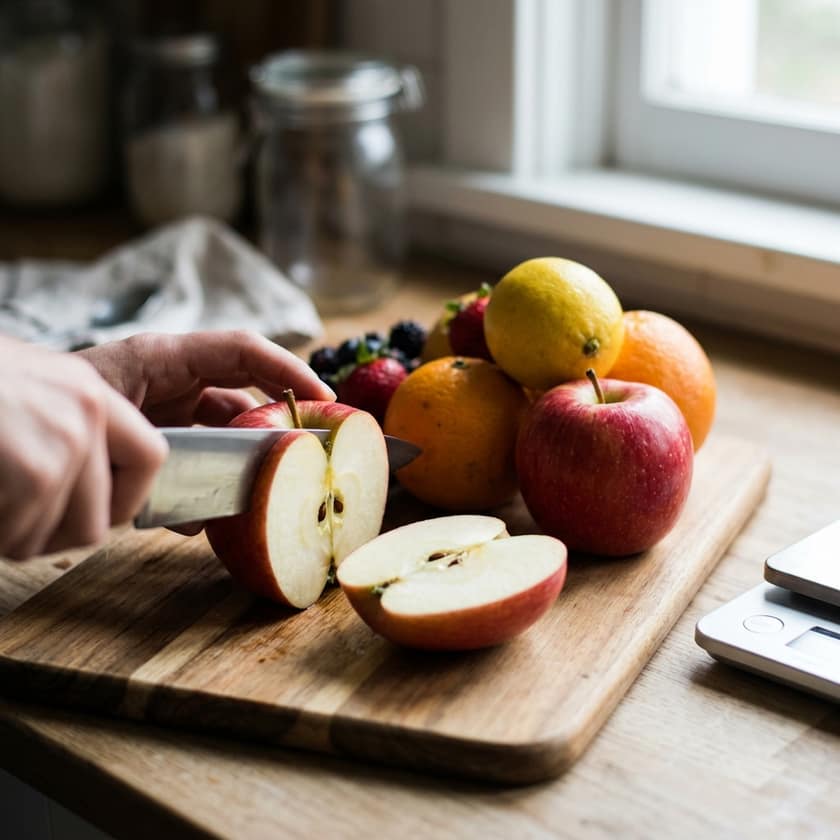
Understanding Belly Fat: Why Your Body Cares About the Fruit Connection
Not all body fat is created equal. While subcutaneous fat sits just under the skin, visceral fat is stored deep within the abdominal cavity, wrapping around vital organs like the liver, pancreas, and intestines. This stomach fat is highly active metabolically, releasing inflammatory chemicals that increase the risk of cardiovascular disease, insulin resistance, and type 2 diabetes. Reducing visceral fat requires systemic lifestyle modifications rather than targeted spot reduction. Whole fruits, often misunderstood due to their natural sugar content, are powerful allies in this process. Their unique combination of water, fiber, and essential micronutrients supports metabolic health and steady fat loss. Rather than avoiding fruit, understanding how to strategically incorporate specific varieties can make a profound difference in shifting your body composition.
The Science of Fructose: How Whole Fiber Changes the Metabolic Equation
A common concern in weight loss circles is fructose, the primary sugar found in fruit. When consumed in concentrated forms—such as in sodas and commercial juices—fructose is rapidly absorbed and sent directly to the liver. This sudden influx can overwhelm the liver, forcing it to synthesize fat, which is often stored directly as visceral abdominal fat. However, eating whole, intact fruit completely changes this process. The natural fiber in whole fruits slows digestion and delays the absorption of sugar into the bloodstream. This prevents sharp insulin spikes, which are notorious for promoting fat storage and triggering intense hunger. By keeping insulin levels stable and feeding beneficial gut bacteria, fiber-rich fruits help keep your metabolic rate efficient and protect your liver from fat accumulation.
Ranked: Best Fruits for Stomach Fat vs. Hidden Sugar Traps
| Category | Recommended Fruits | Nutrient Highlights | Portion Strategy |
|---|---|---|---|
| Tier 1: Maximum Return | Raspberries, blackberries, blueberries, apples, grapefruit, avocado | Extremely high soluble fiber, anthocyanins, healthy monounsaturated fats | Excellent for daily snacks and breakfast toppings without strict limits |
| Tier 2: Good with Control | Bananas, oranges, pears, grapes, stone fruits | Moderate fiber, high vitamins, slightly higher natural sugar content | Incorporate in controlled portions, ideally paired with a source of lean protein |
| Tier 3: Treat Like Dessert | Mangoes, pineapples, watermelon, all dried fruits | Very high glycemic density, low water-to-sugar ratio in dried varieties | Limit to small servings, consume post-workout, or treat as an occasional treat |
The Nutritional Power of Premium Seasonal Varieties
To maximize both weight loss and overall enjoyment, prioritize fresh, seasonal whole fruits. When fruits are harvested at their natural peak, they possess highly concentrated sources of vitamins, active antioxidants, and natural enzymes. In the summer months, stocking up on fresh, locally sourced berries provides your body with optimal doses of anthocyanins—antioxidants shown to help regulate fat metabolism and reduce systemic inflammation. During the colder winter months, transitioning to citrus fruits like grapefruit and pomegranates offers excellent hydration and immune support. Grapefruit is particularly notable for containing naringin, a bioflavonoid that research indicates can help manage blood sugar levels and encourage fat breakdown. Choosing seasonal options ensures you get the highest nutritional value and the best taste, keeping your dietary routine fresh and exciting.
A Practical 1,600–1,800 Calorie Meal Plan Built Around Fruit
- Breakfast: A warm bowl of rolled oats topped with one cup of fresh raspberries, a tablespoon of chia seeds, and one scoop of vanilla whey or plant-based protein powder.
- Mid-Morning Snack: One small crisp apple with the peel left on, sliced and served alongside one tablespoon of natural, unsalted almond butter.
- Lunch: A vibrant spinach and mixed greens salad with grilled chicken breast, cucumbers, cherry tomatoes, and half a medium avocado, dressed with olive oil and lemon juice.
- Afternoon Snack: Half a cup of low-fat plain Greek yogurt mixed with half a cup of fresh blueberries and a sprinkle of raw pumpkin seeds.
- Dinner: Six ounces of baked wild salmon served with a generous side of roasted broccoli florets and half a cup of cooked quinoa.
- Dessert Option: A few fresh strawberries dipped in a tablespoon of melted dark chocolate (85% cocoa) for a satisfying, low-sugar end-of-day treat.
Navigating Support Tools: From Apps and Coaching to Clinical Options
Achieving sustainable weight loss requires a balance of consistency, dietary tracking, and behavioral support. Many individuals find success using automated planning and logging applications that simplify tracking your macro- and micronutrients. These tools help ensure you stay in a safe calorie deficit while meeting your fiber targets. However, for those who struggle with manual tracking or feel overwhelmed, retail supplements, specialized meal delivery services, and behavior-focused coaching platforms can offer structure and accountability. When diet and lifestyle changes alone do not yield the desired results, it is common to explore medical weight loss options. Modern clinical programs, supervised by healthcare professionals, can provide comprehensive metabolic testing, personalized coaching, and, when clinically indicated, medical therapies to address deep visceral fat. This holistic approach ensures that your dietary efforts with whole foods are complemented by professional medical guidance.
Finding the Best Way to Lose Belly Fat Long Term
Shedding stubborn stomach fat is not about following restrictive, short-term diets that eliminate entire food groups. Instead, long-term success is rooted in establishing a consistent, nutrient-dense eating pattern that you can enjoy for years to come. Whole fruits should not be feared due to their sugar content; rather, they should be welcomed as natural, fiber-rich tools that manage hunger, satisfy your sweet tooth, and deliver vital antioxidants. Pair your smart fruit choices with high-quality lean proteins, healthy fats, and regular physical activity—both strength training and cardiovascular exercise. By tracking your progress without obsession, focusing on whole foods, and utilizing professional support networks when needed, you can successfully reduce visceral fat and achieve a healthier, more vibrant body composition.